CONQUERCUBE
Two worlds. Only one life to defend.
In Fioralba you live. In Cenerombra you survive: there anyone can kill you, and everything you carry stays on your corpse for whoever gets there first.
Real USDC circulates in the game, on Base and on Avalanche: it is dug, smelted, minted and taken out with your MetaMask.
This is not a peaceful game.
In Cenerombra the water is the color of blood, the mountains spit lava and every silhouette on the horizon may be another player who already has you in their sights. The cities have no guards. There is no safe place.
This is where the best of the game lies: vermillion, black rock and mithril are mined only in Cenerombra, gold yields fifty percent more, the rarest scrolls drop only here. Those who go there go to take them. And to take them from others.
Anyone can attack you
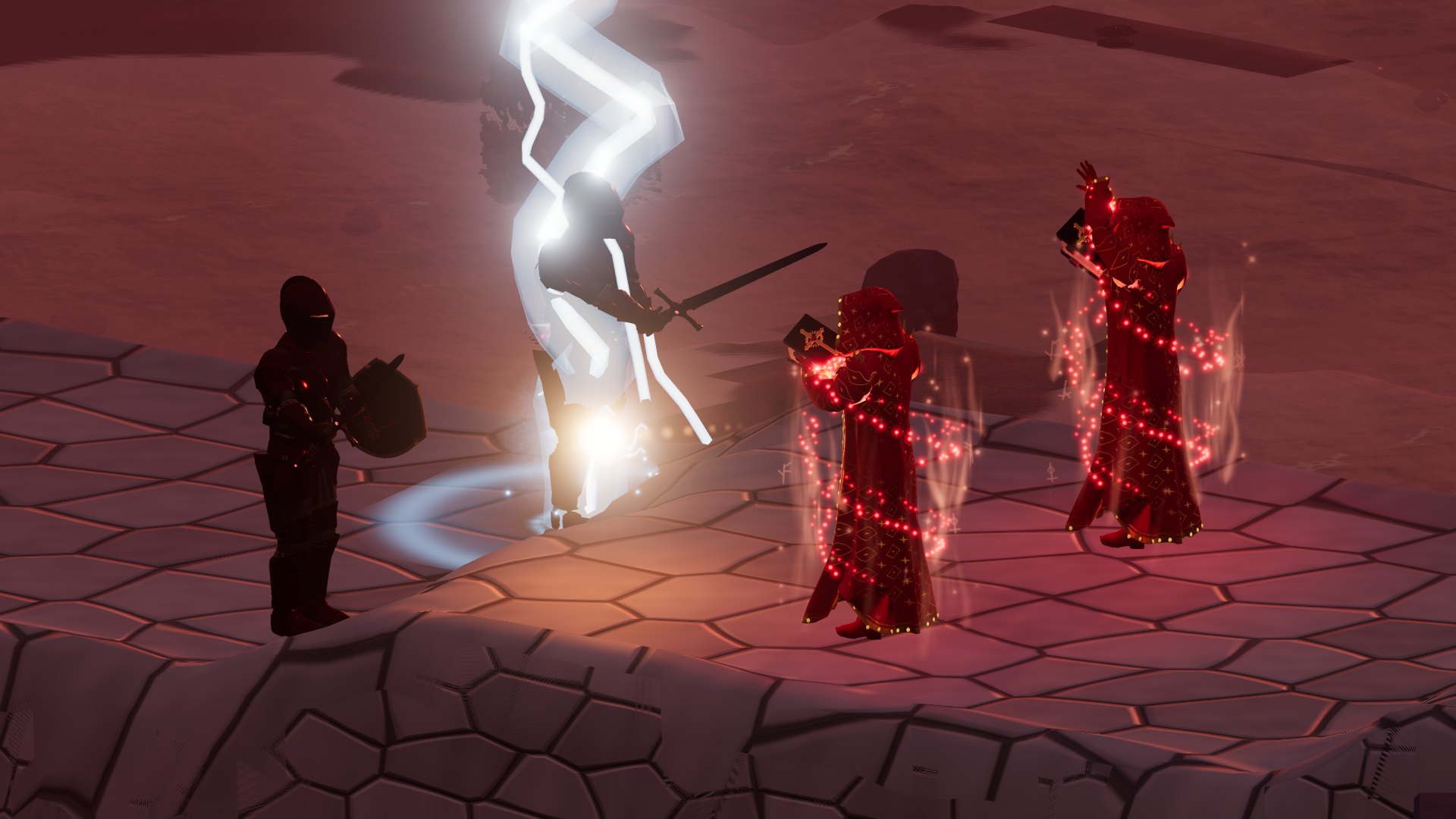
In the street, in the mine, in front of the bank. Whoever strikes first becomes the aggressor; whoever strikes an innocent becomes a criminal, with an orange name, and for five minutes anyone can kill them without blame.
Everything can be lost
When you die your body stays on the ground with the backpack and the armor you were wearing. In Cenerombra anyone can open it. It stays there twenty minutes: then it vanishes, with everything nobody took.
Blood leaves its mark
Every player kill is one point. At five points your name turns red: you are a murderer, and the portal to the good world stays closed to you until time or a totem cleans you.
In the dark, mithril shows from far away.
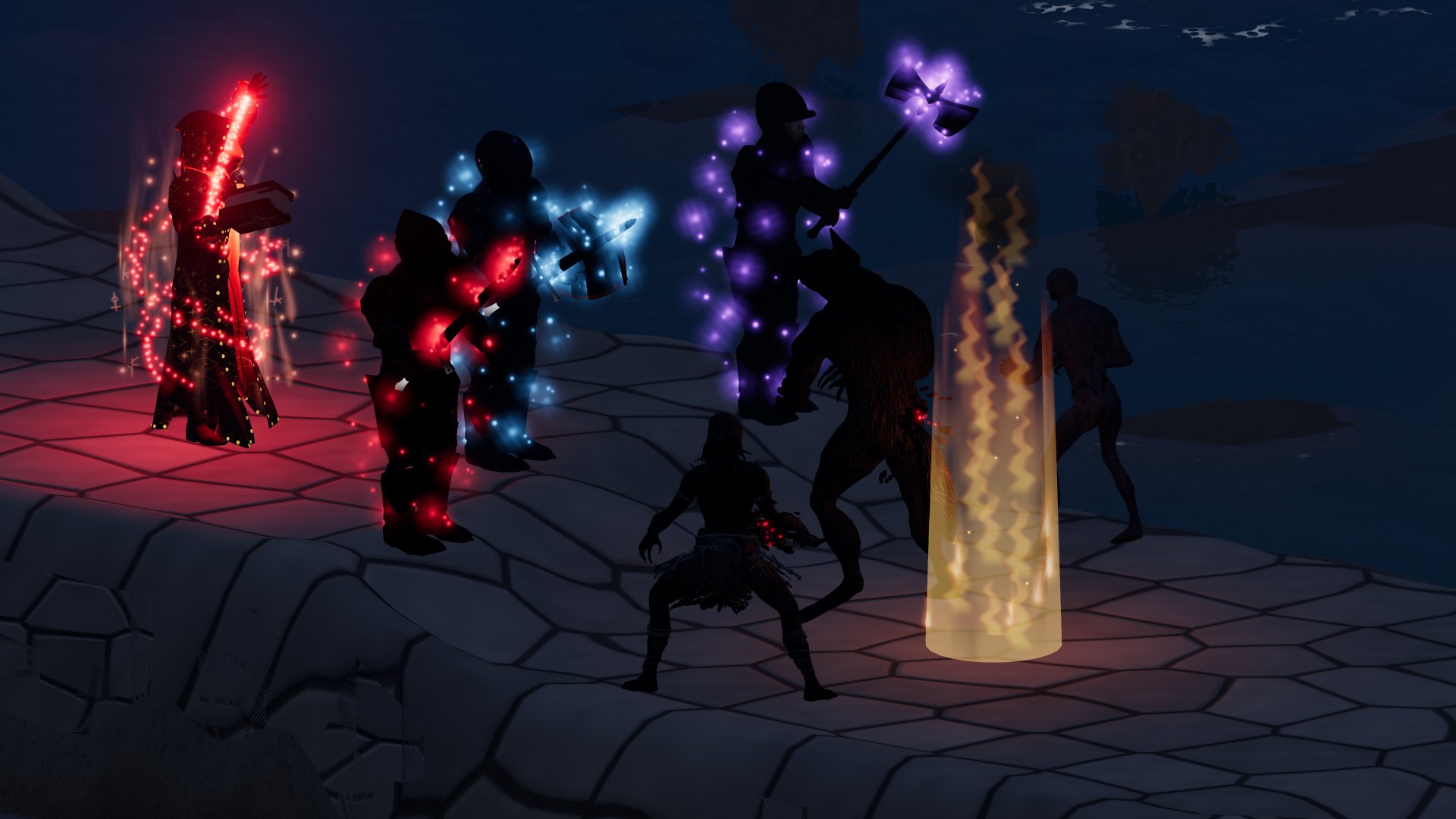
At night mithril, vermillion and black rock light up: armour, sword and shield glow with the colour of their metal. Whoever sees you coming in the dark already knows what you are wearing, and how much it is worth.
Fioralba and Cenerombra
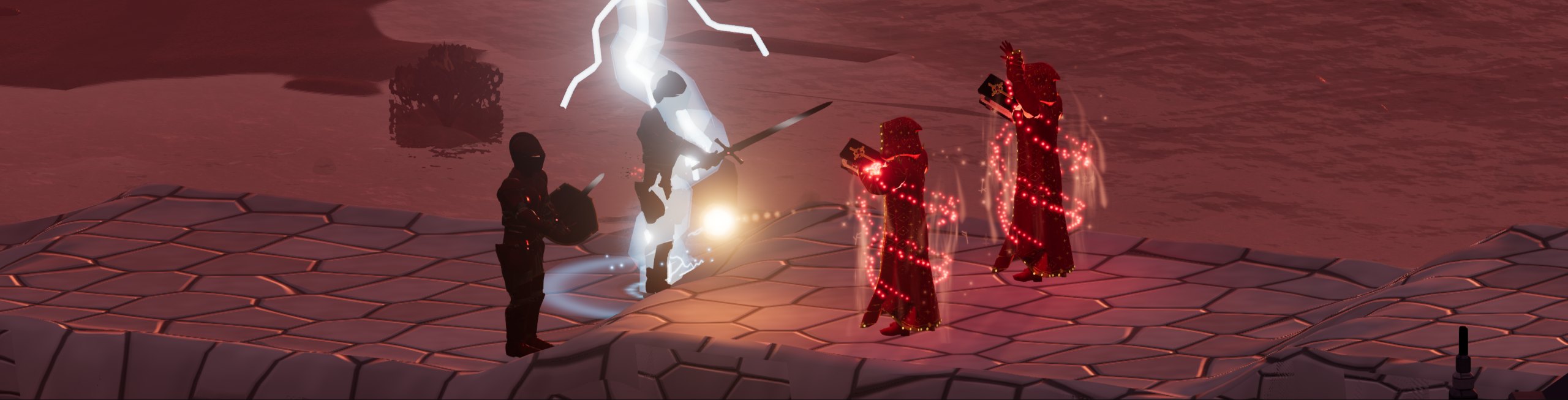
Two mirror worlds on the same continent: same geography, same coasts, same mountains, ten cities each. You have one single character, and it passes from one to the other through five portals, which after five seconds set you down at the same spot of the twin world. The banks do not: what you deposit in Fioralba stays in Fioralba.
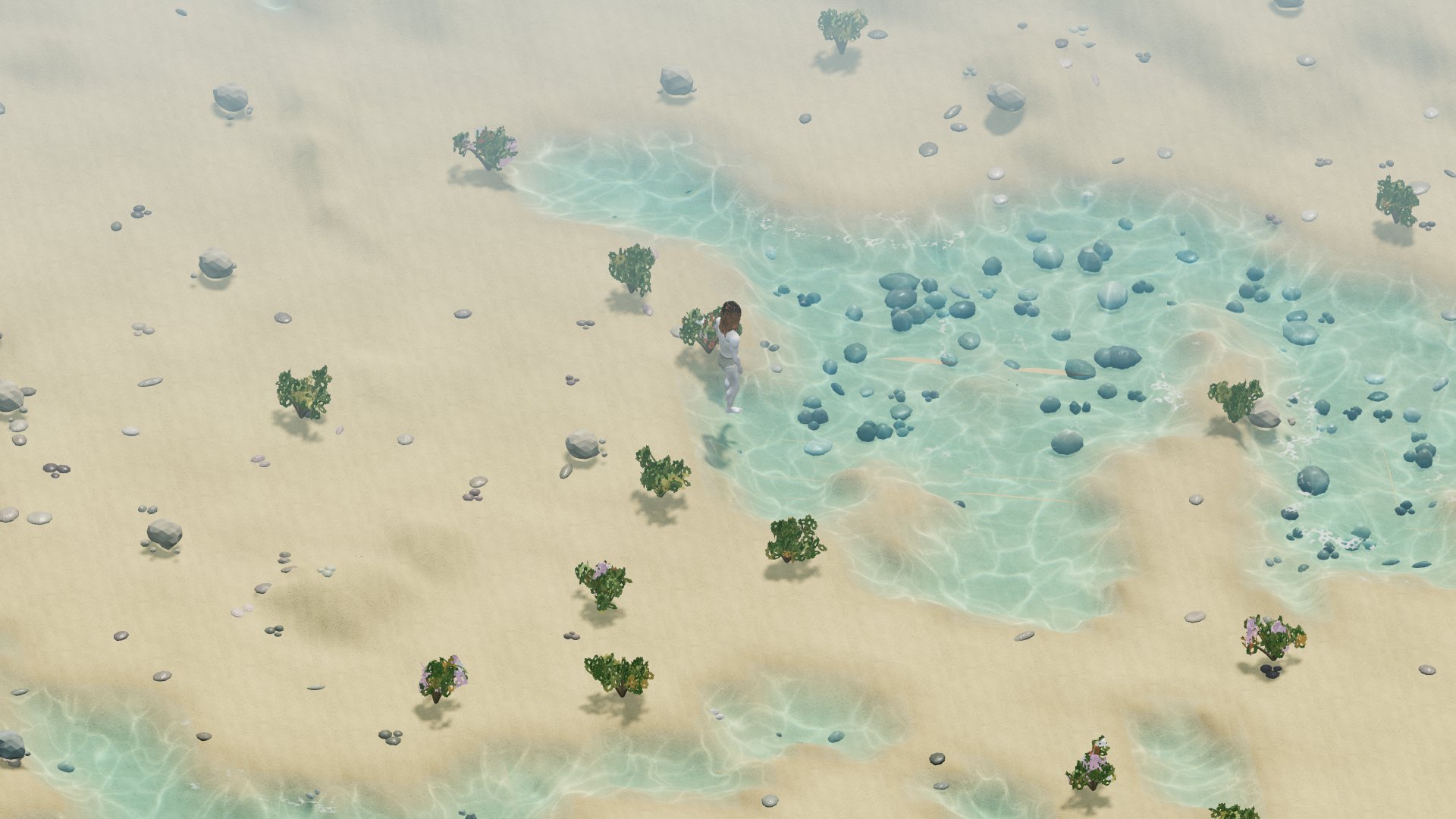 The joyful world
Fioralba
- No player can harm you. Monsters can.
- Here you are born, you learn the crafts, you gain your first levels.
- Castles, towers, graveyards and eight dungeons to grow.
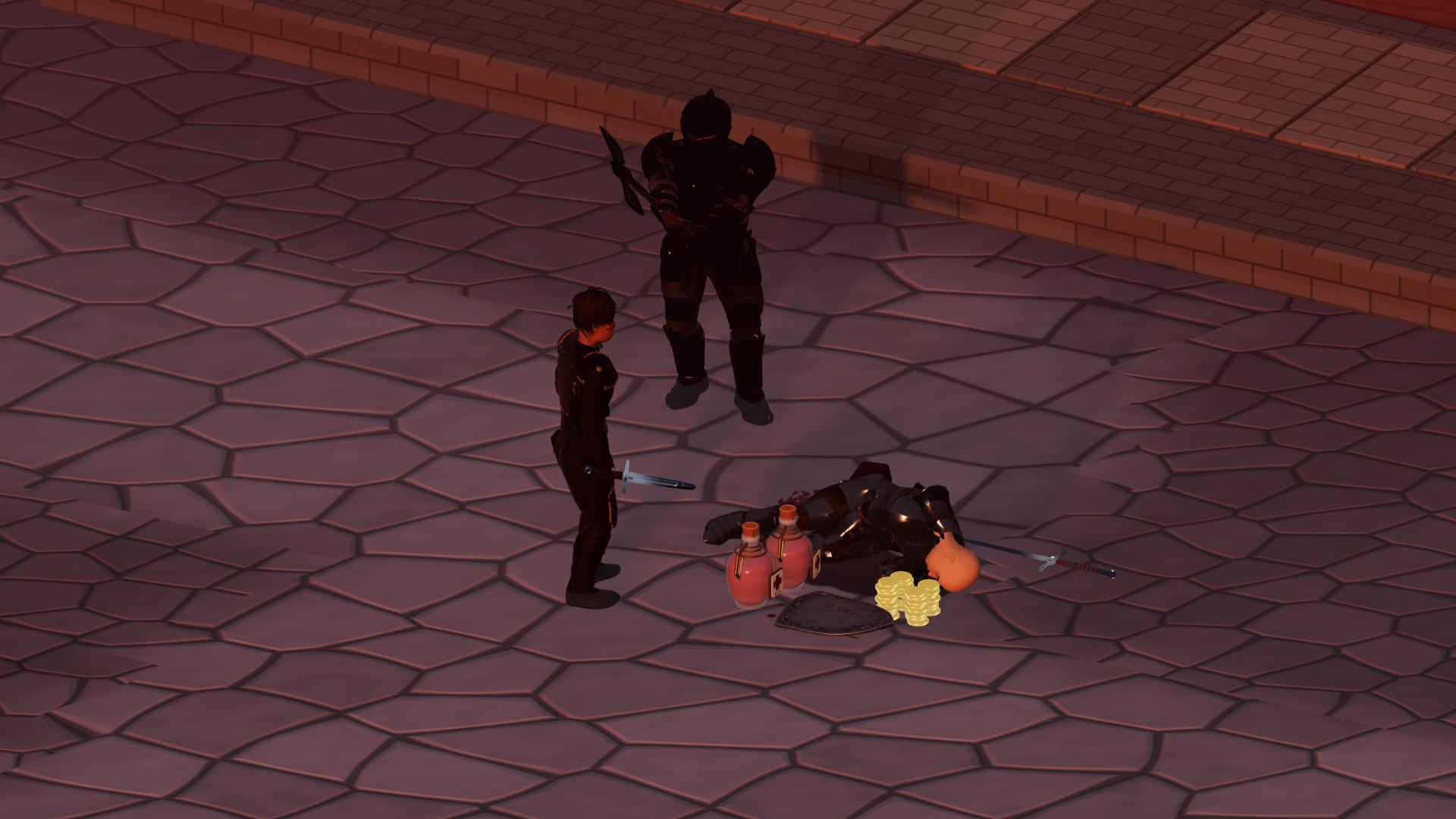 The dark world
Cenerombra
- PvP everywhere, even in the cities. Full loot.
- Monsters up to level 200 and the most precious metals.
One single continent, all to explore.
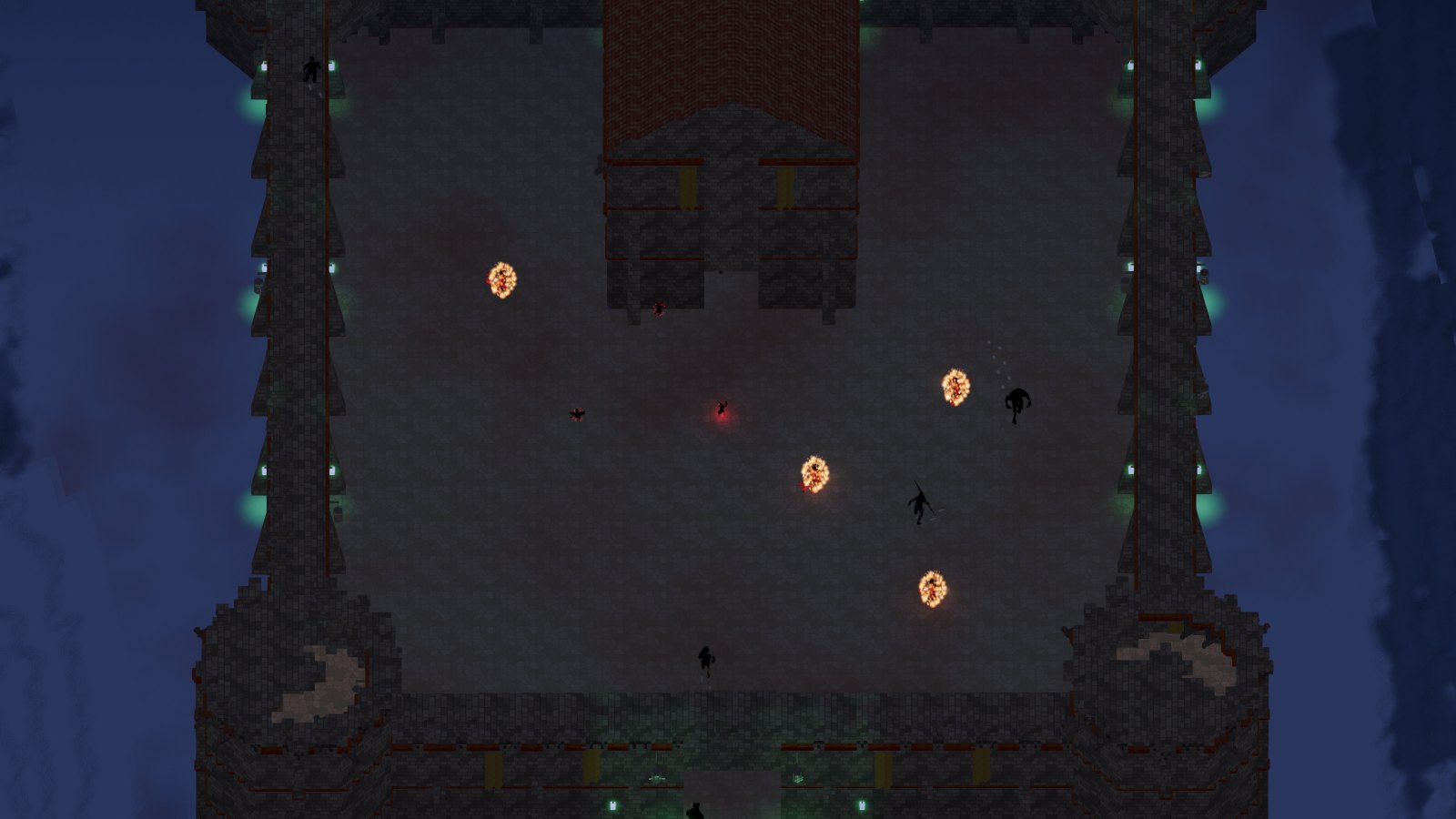
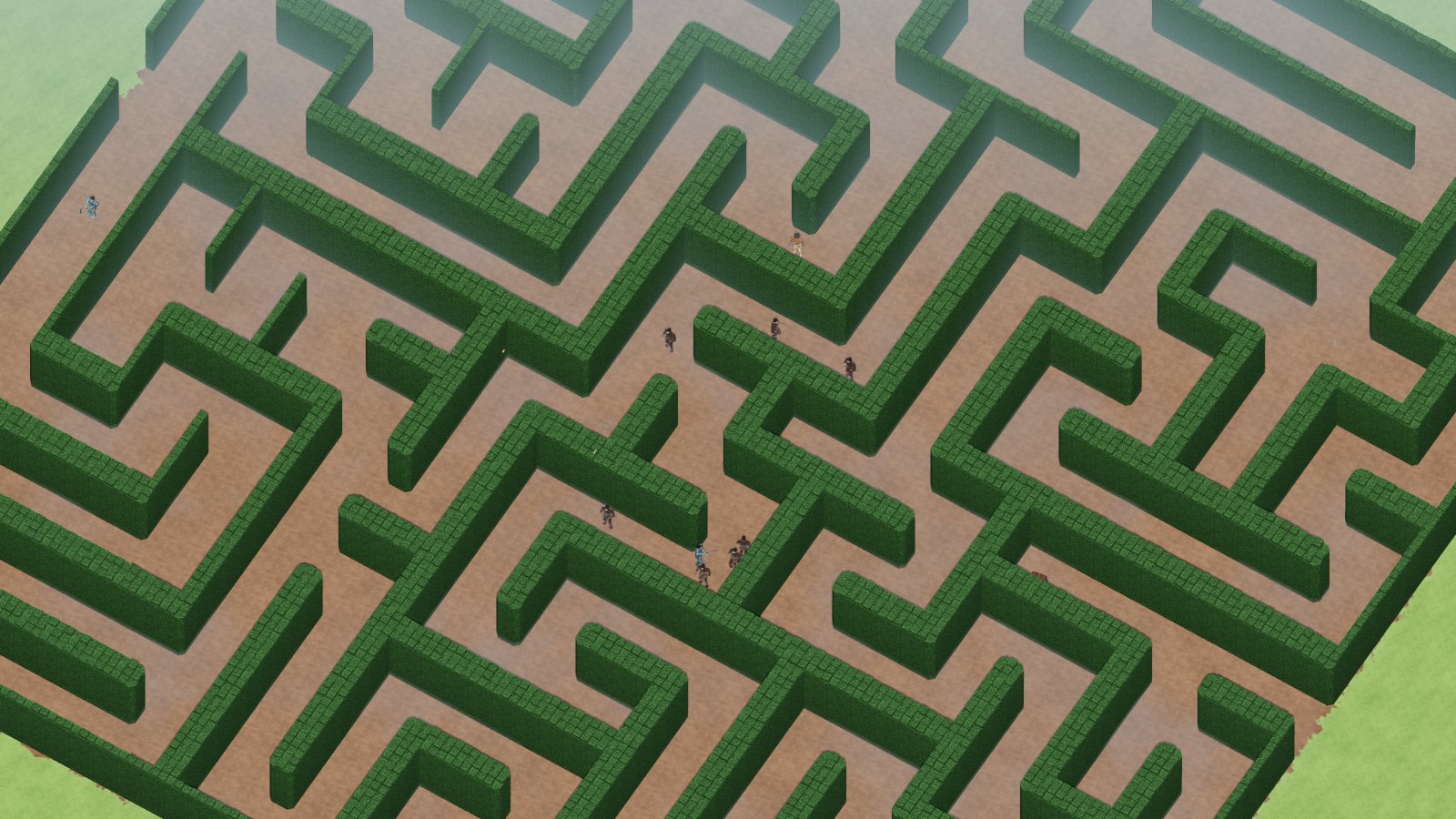
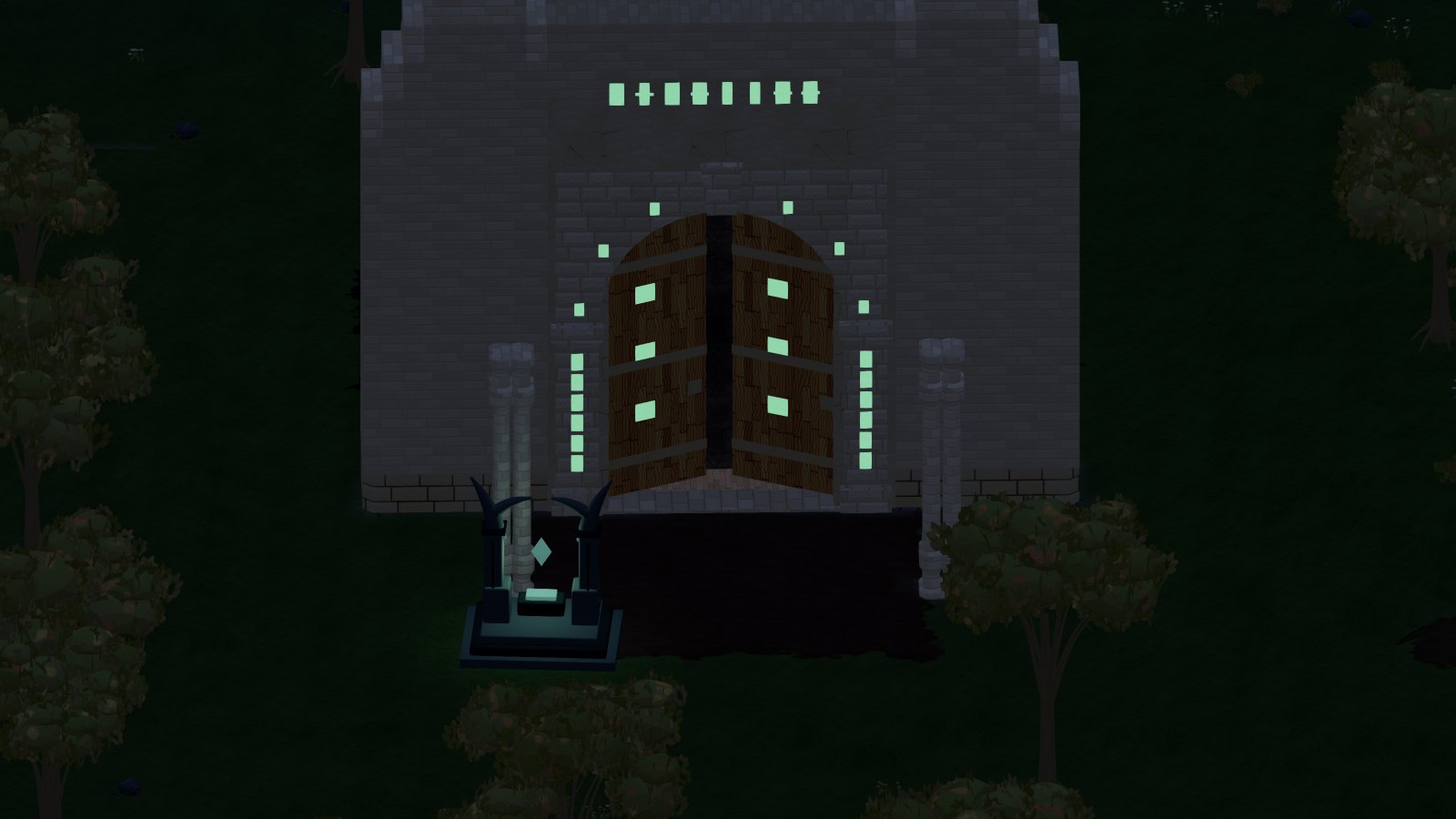
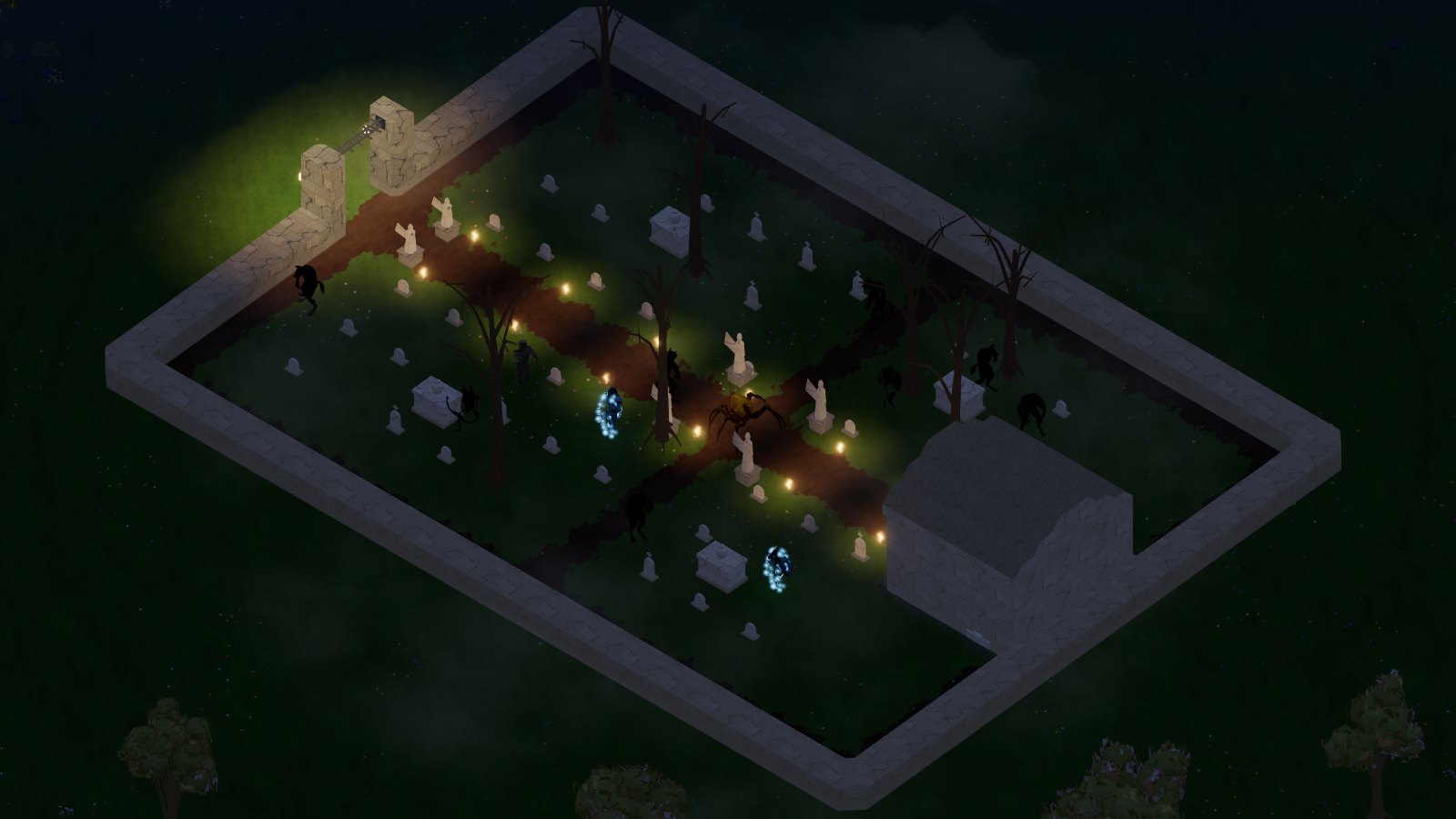
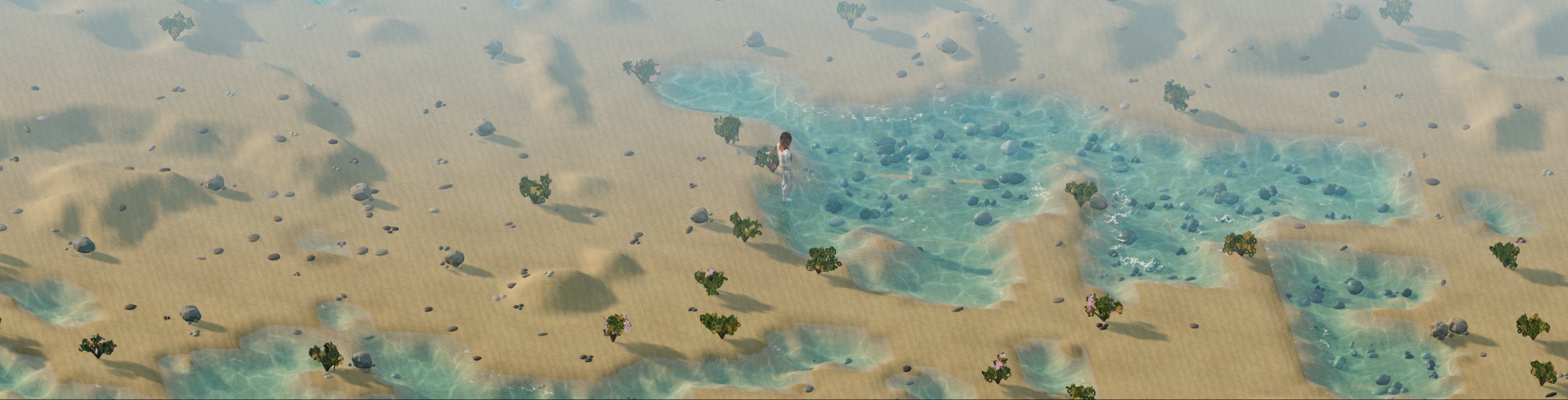
Great rivers with bridges, streams you can cross on horseback, lakes, gorges, mountains along the whole east coast, deserts, jungles, swamps and patches of lava. Out there, castles and towers, cursed ones too, ghostly graveyards, camps, ruins, mazes and rock inlets: open-air dungeons, with their monsters and their chests. The real dungeons open behind huge gates carved into the mountains, with runes that glow at night.
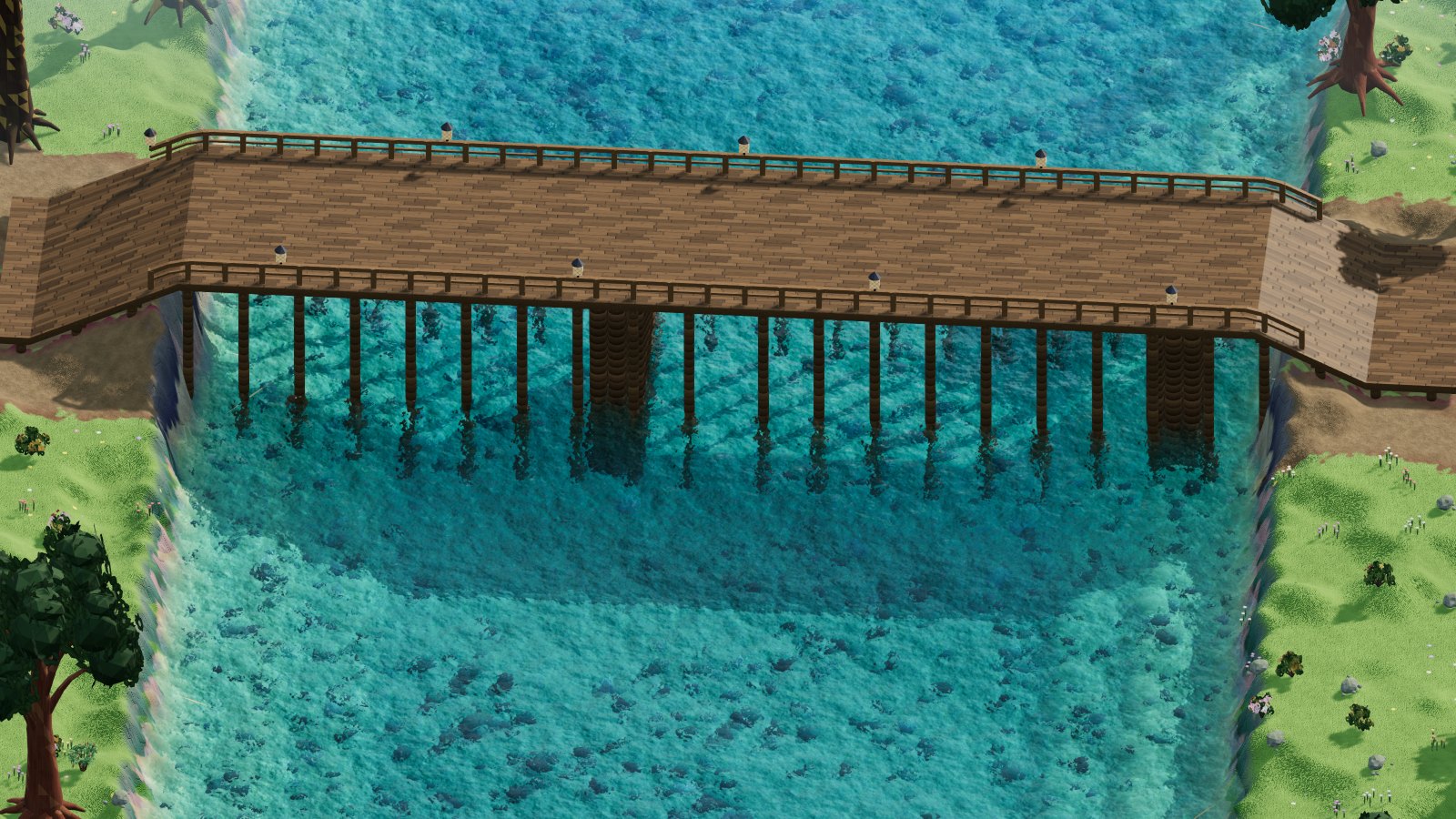
As in Ultima Online.
Ten cities per world, each with its own plan, its own style and its own materials: the capital on the river, the wooden village in the woods, the marble city on the mesa, the caravan city in the desert, the one among the lava. The shops are closed: open the door with a double click, step in, the roof disappears and you find the vendor behind the counter, with the trade written in English over the head.
The cities and the vendors →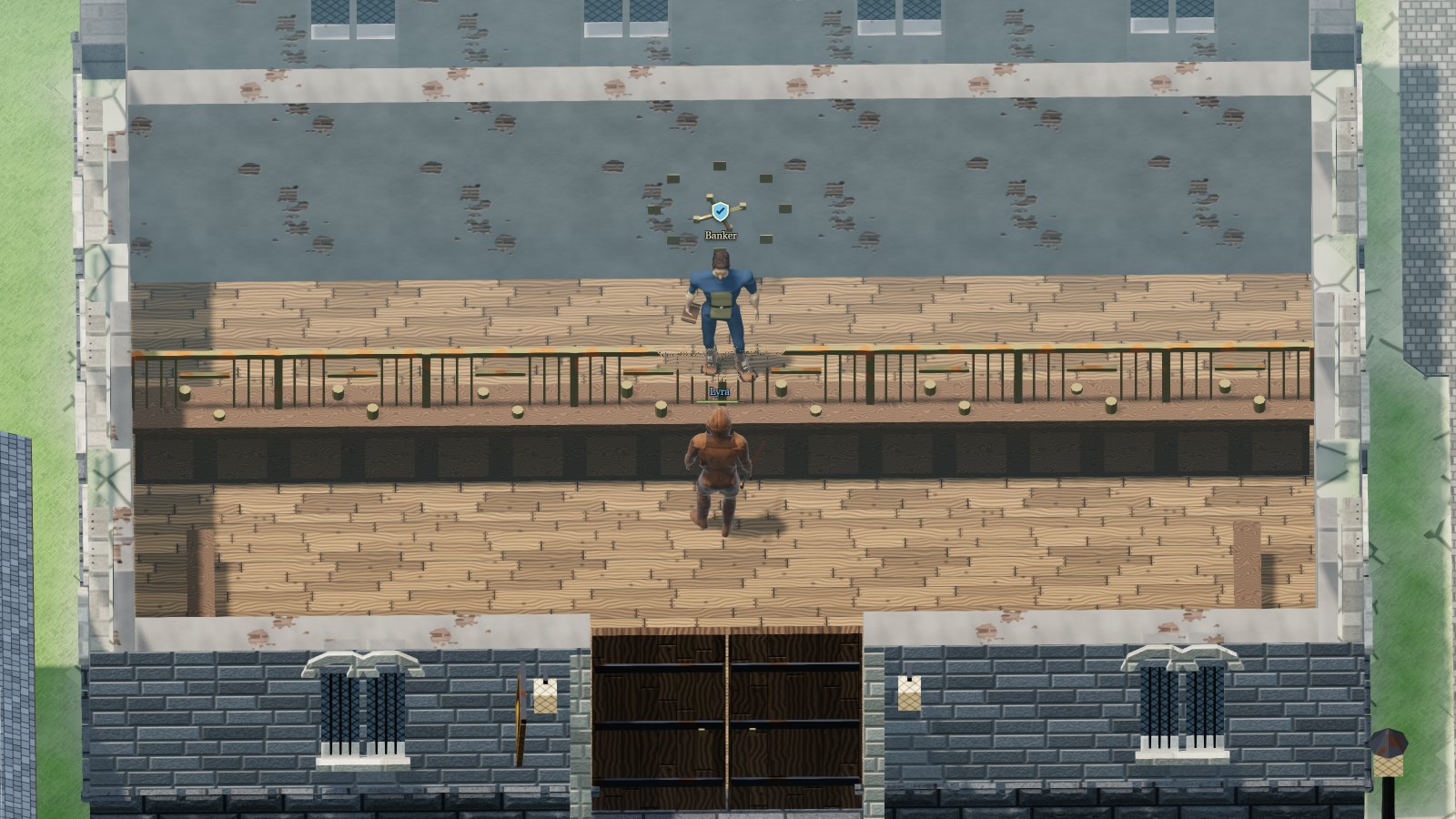
Morgana’s Castle.
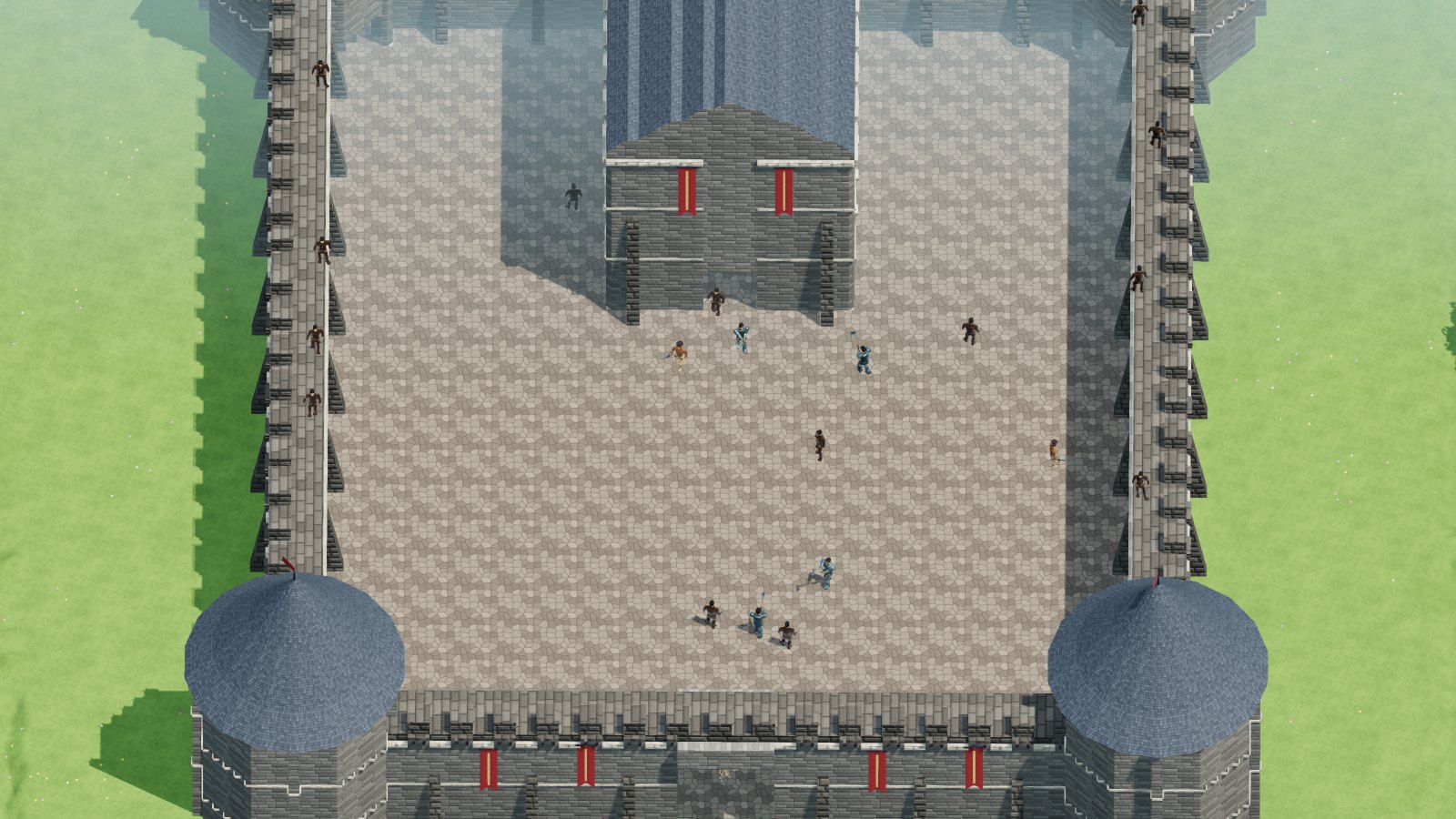
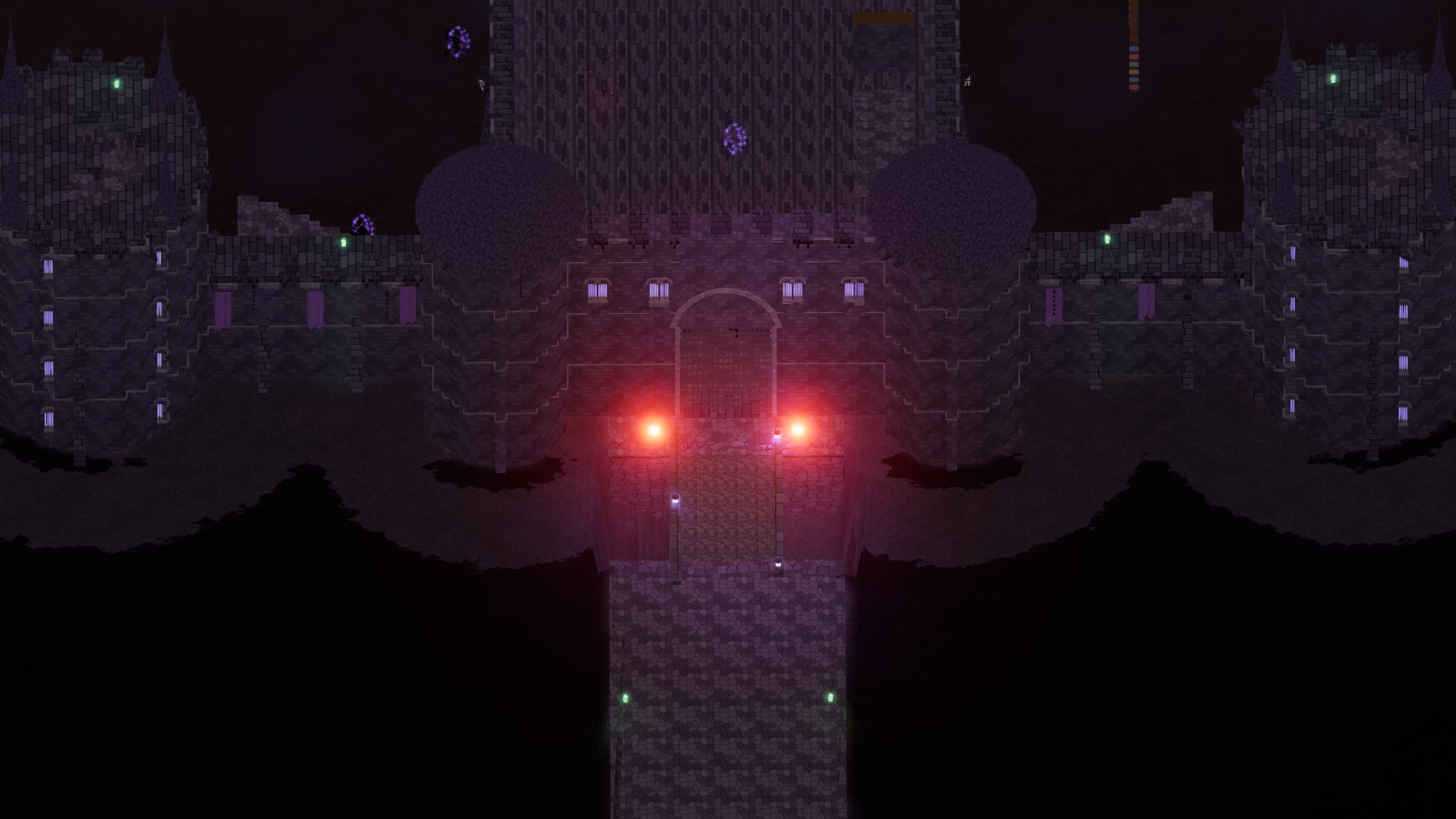
On the island in the middle of the lake of blood, on top of a black cliff, the largest and grimmest castle in the world: you reach it over the Bridge of Laments, among ghostly lanterns. Double walls, towers with lookouts, prisons, a desecrated chapel, the hall of the empty throne and the spire with the violet eye. Inside, witches, warlocks, undead and demons.
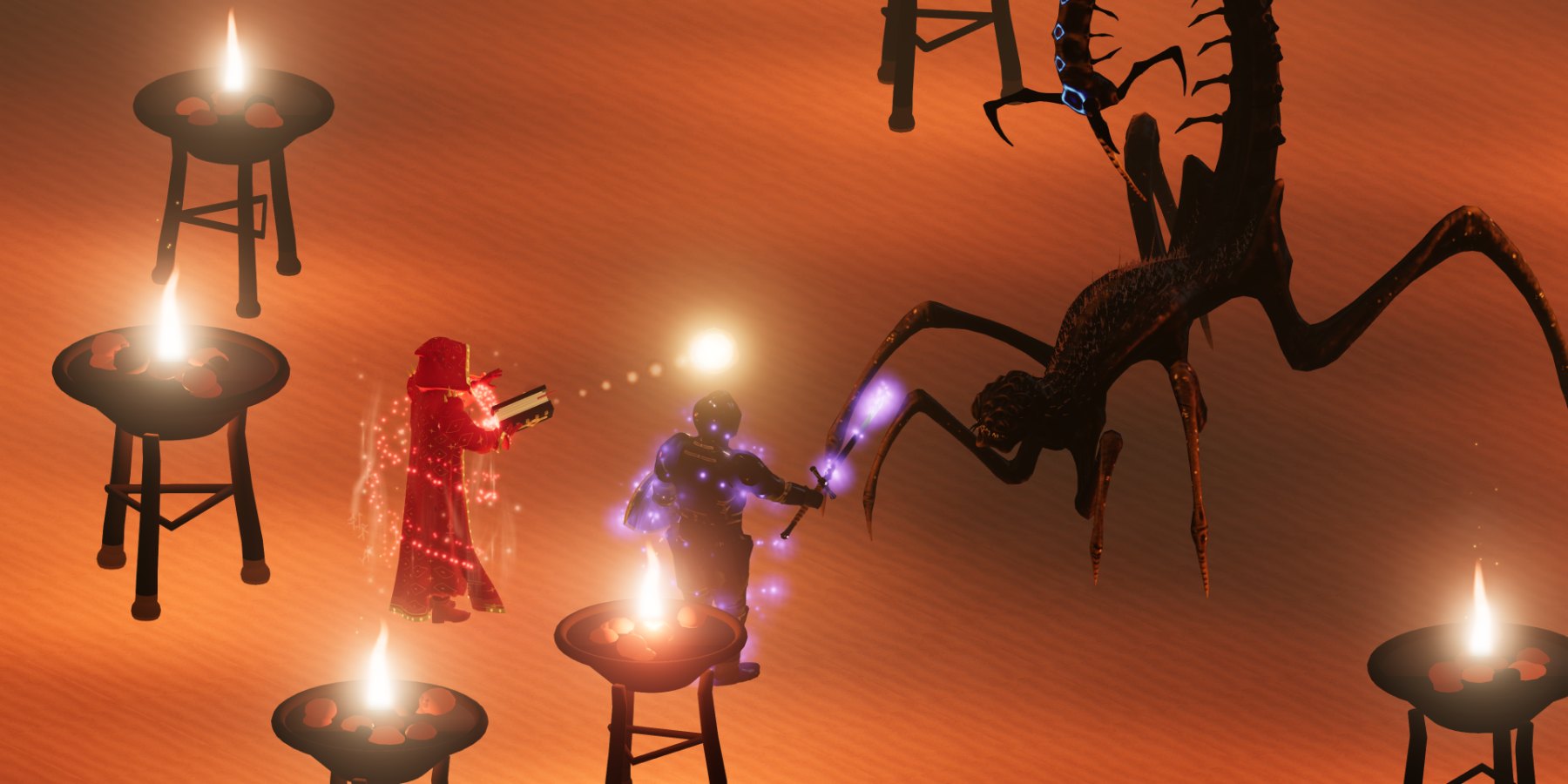
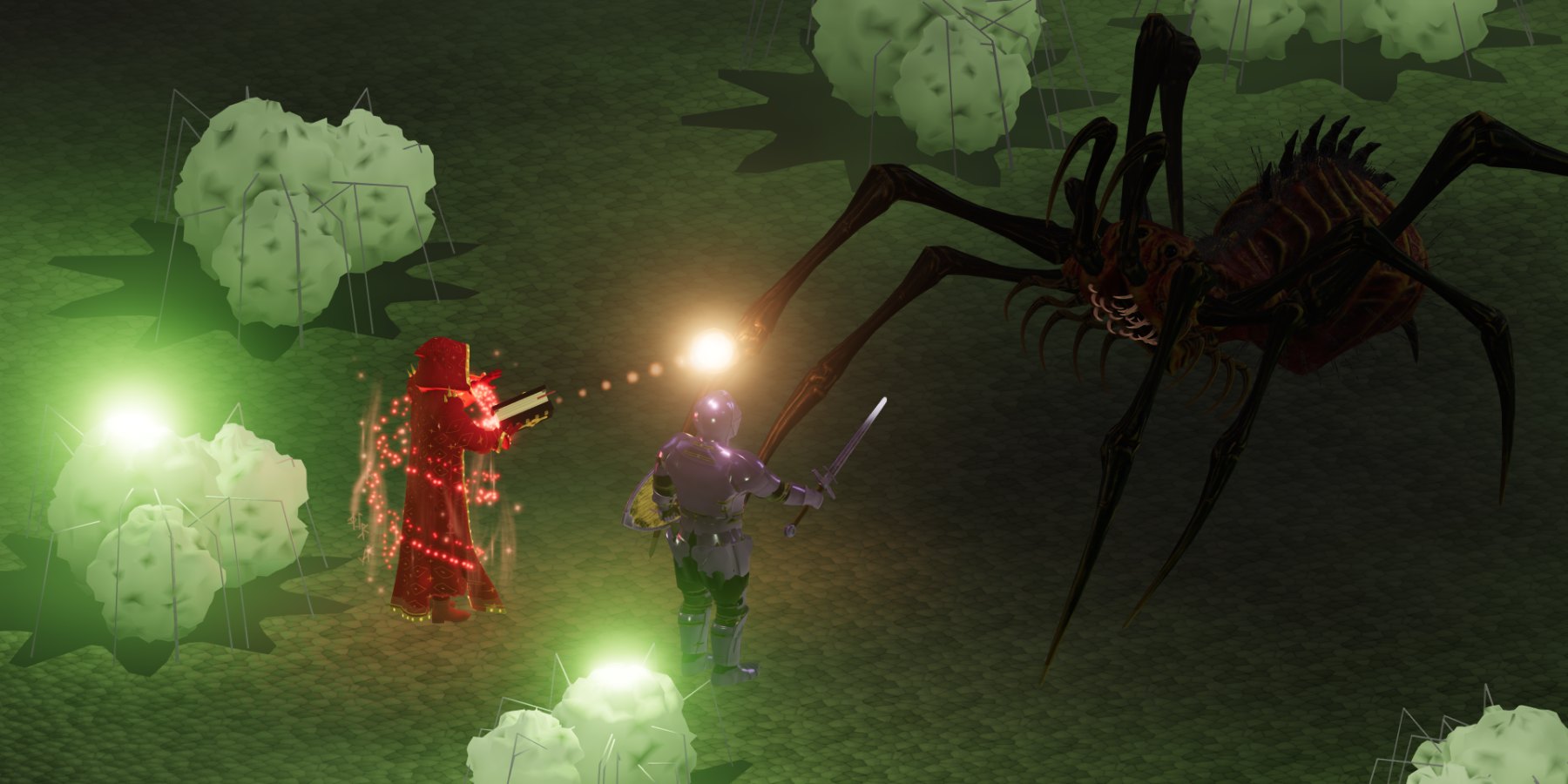
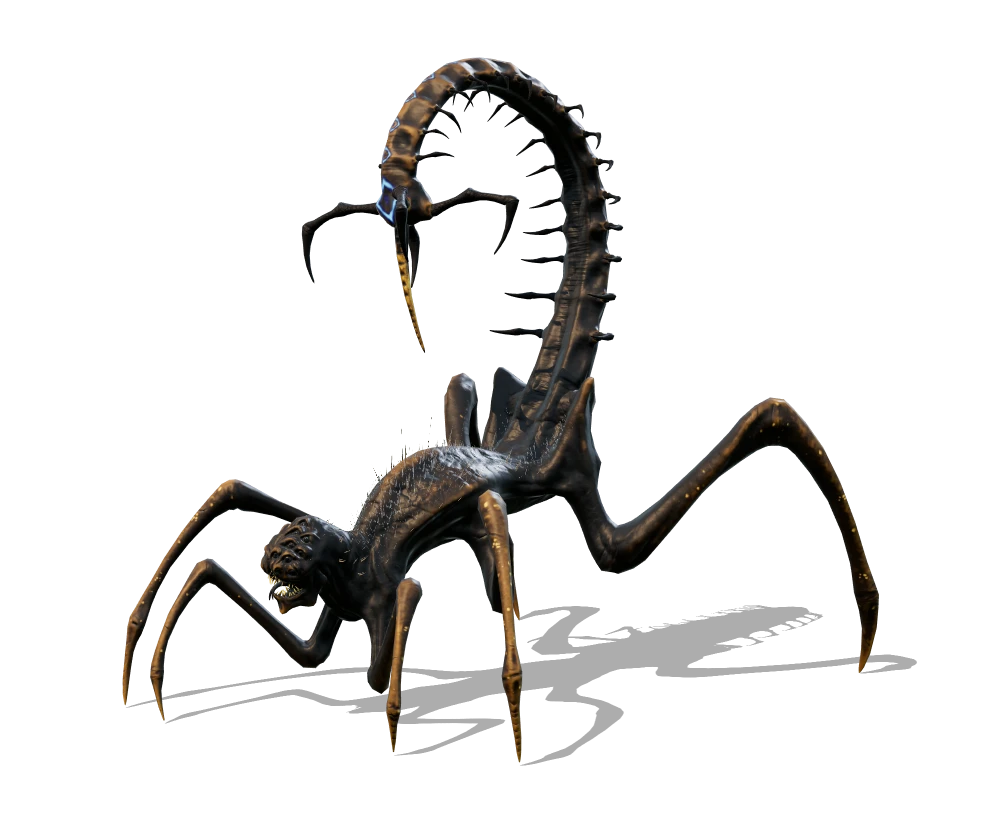
Fifteen dungeons in all: eight in Fioralba, seven in Cenerombra, including the Arachnid’s Nest.
No two faces are alike.
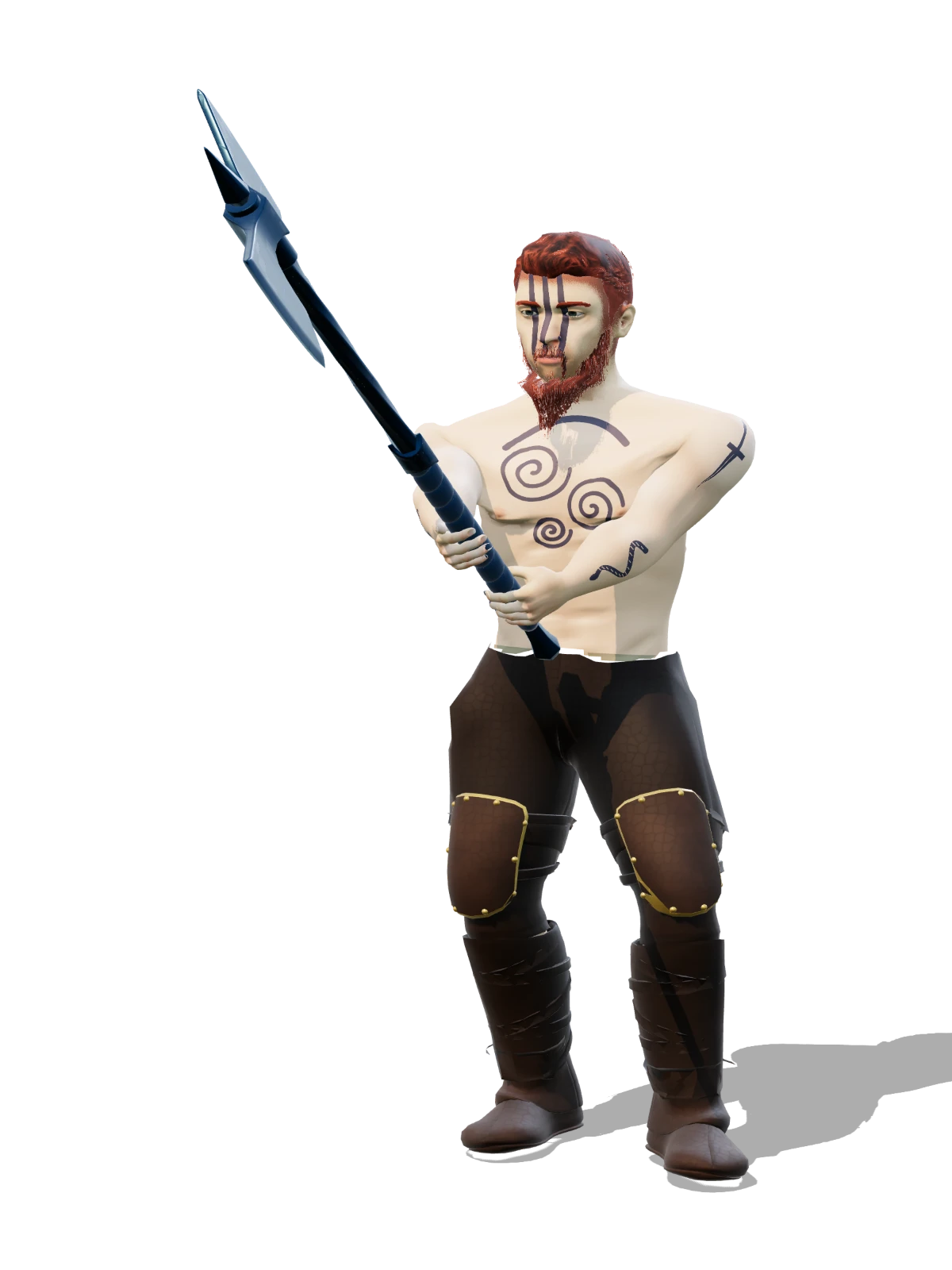
Twenty faces, skin from milk white to the darkest black, three builds. Then twenty-two hairstyles, twenty beards and twenty kinds of moustache, each in its own colour. And tattoos: sixteen designs on the face, chest, back, arms, legs, hands and feet, in the ink you choose.
Face, skin and build are chosen when you are born and stay yours. Hair, beard and moustache can be changed by the Barber, in town.
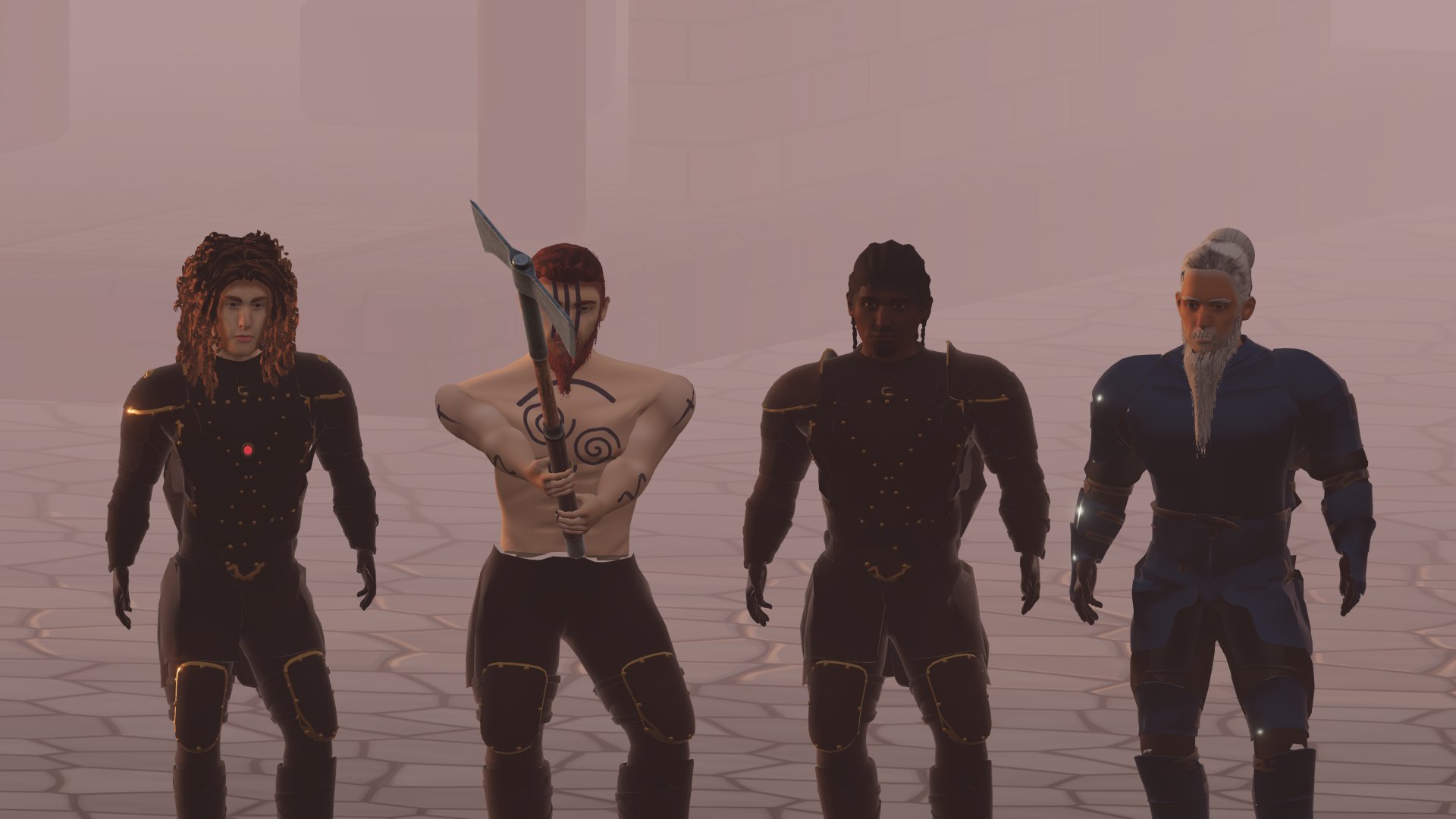
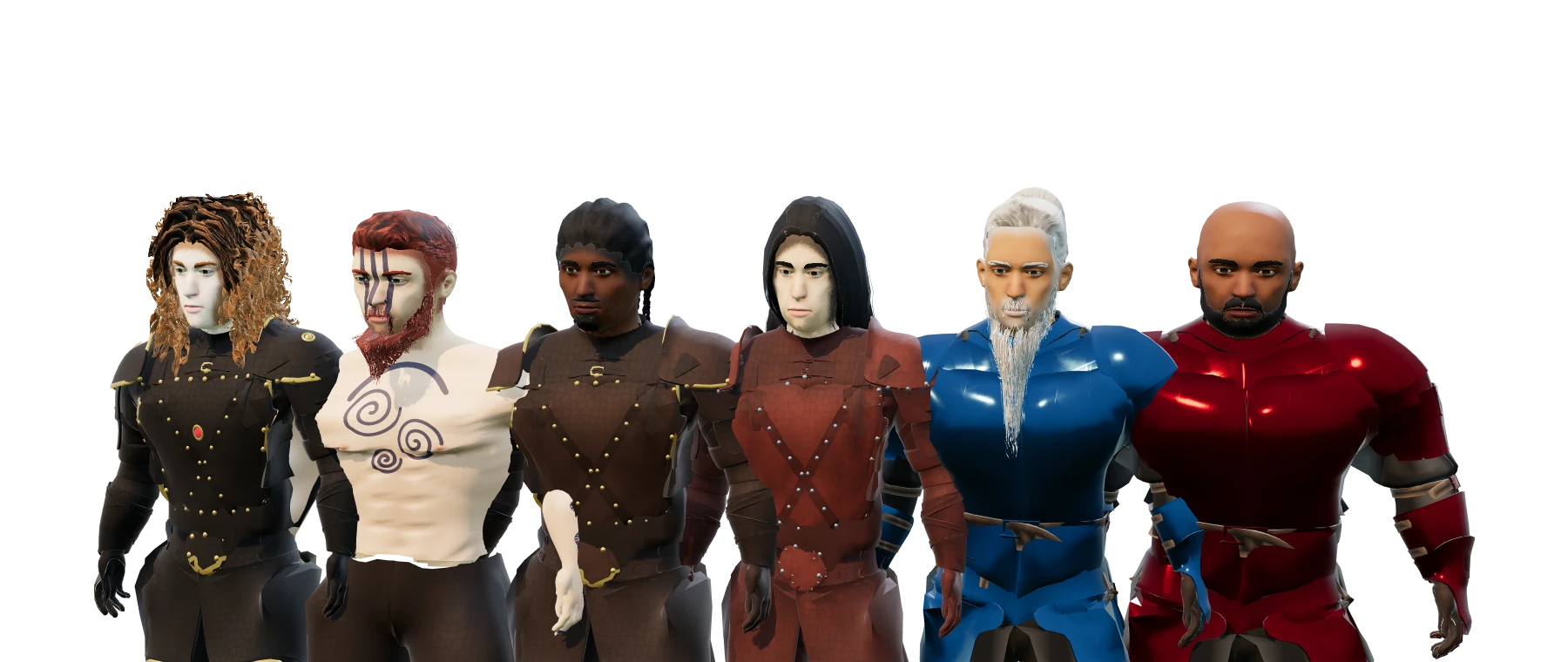
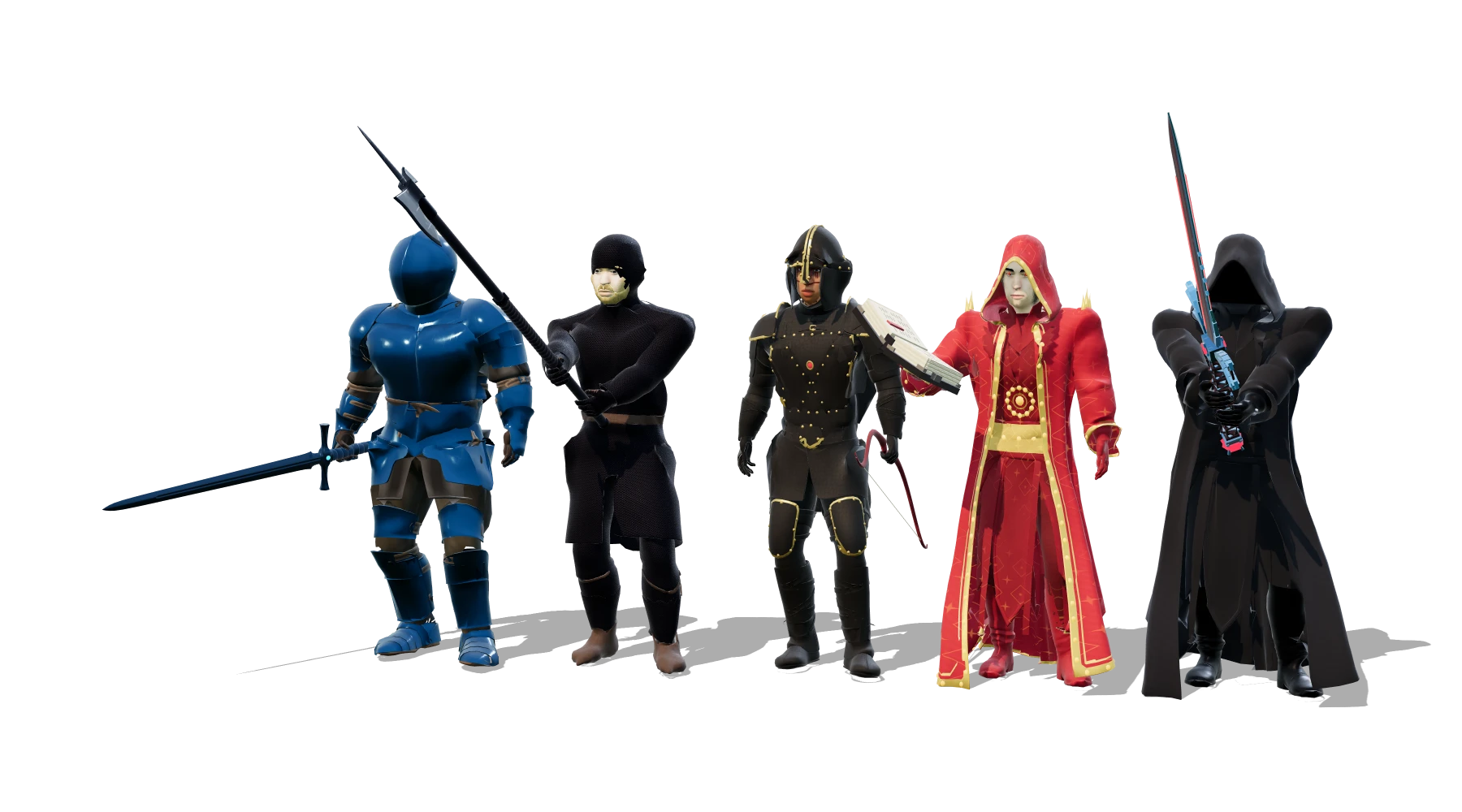
Your armour tells who you are
Plate and chainmail in eight metals, from copper to mithril: ruby-red vermillion, steel-blue mithril, black rock. Leather in five levels. Every weapon shows in your hand, every piece shows on you. The armours are all new: worked plates, chainmail with its hood, reinforced leather.
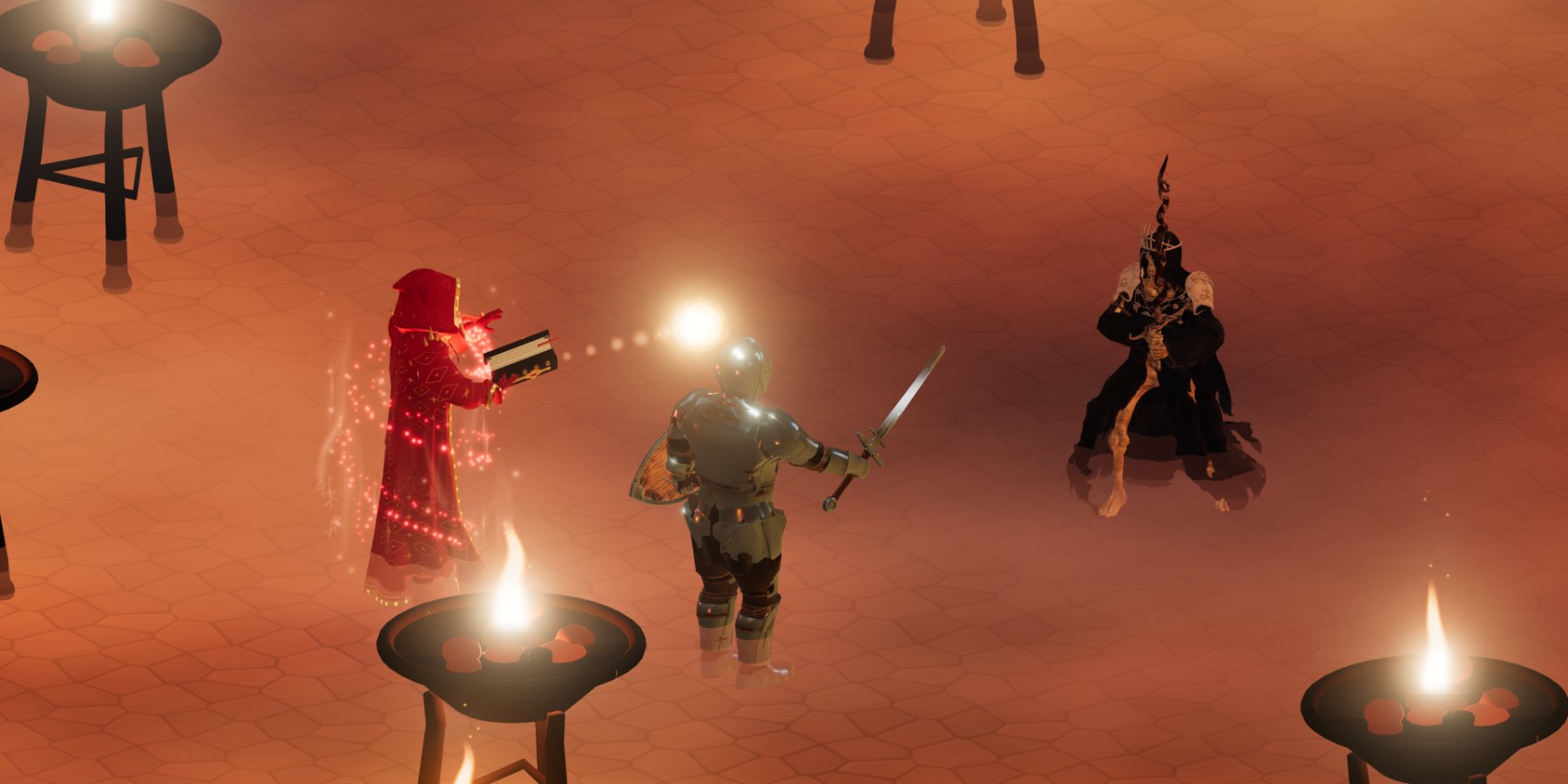
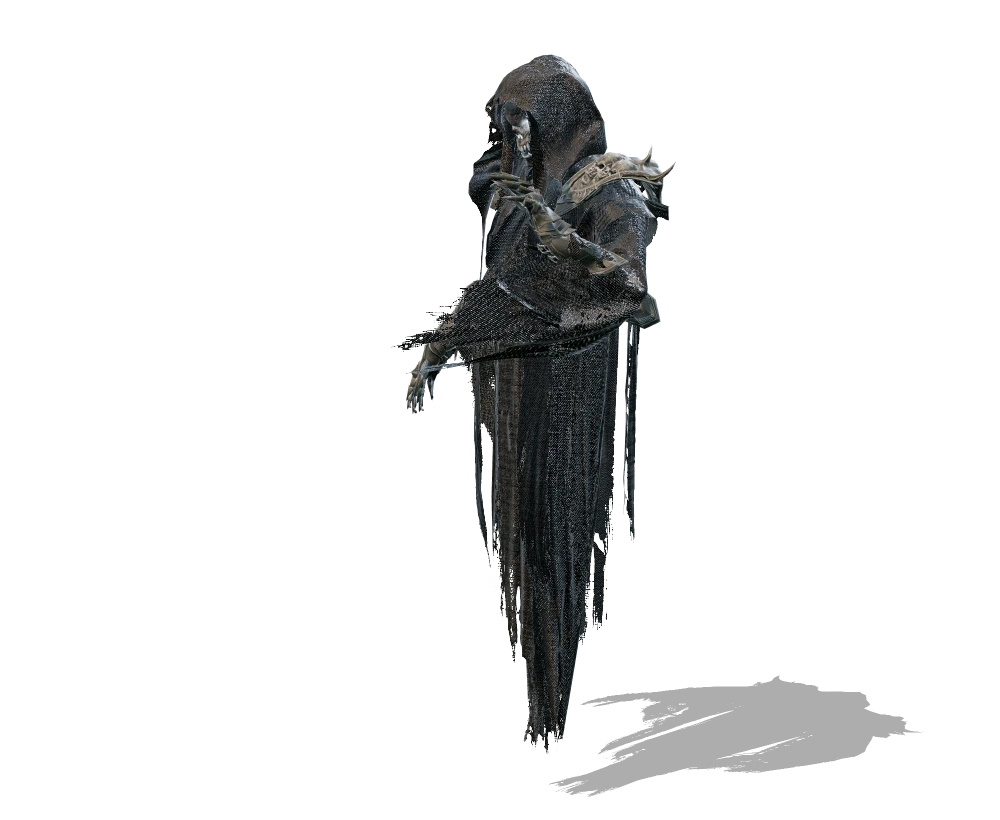
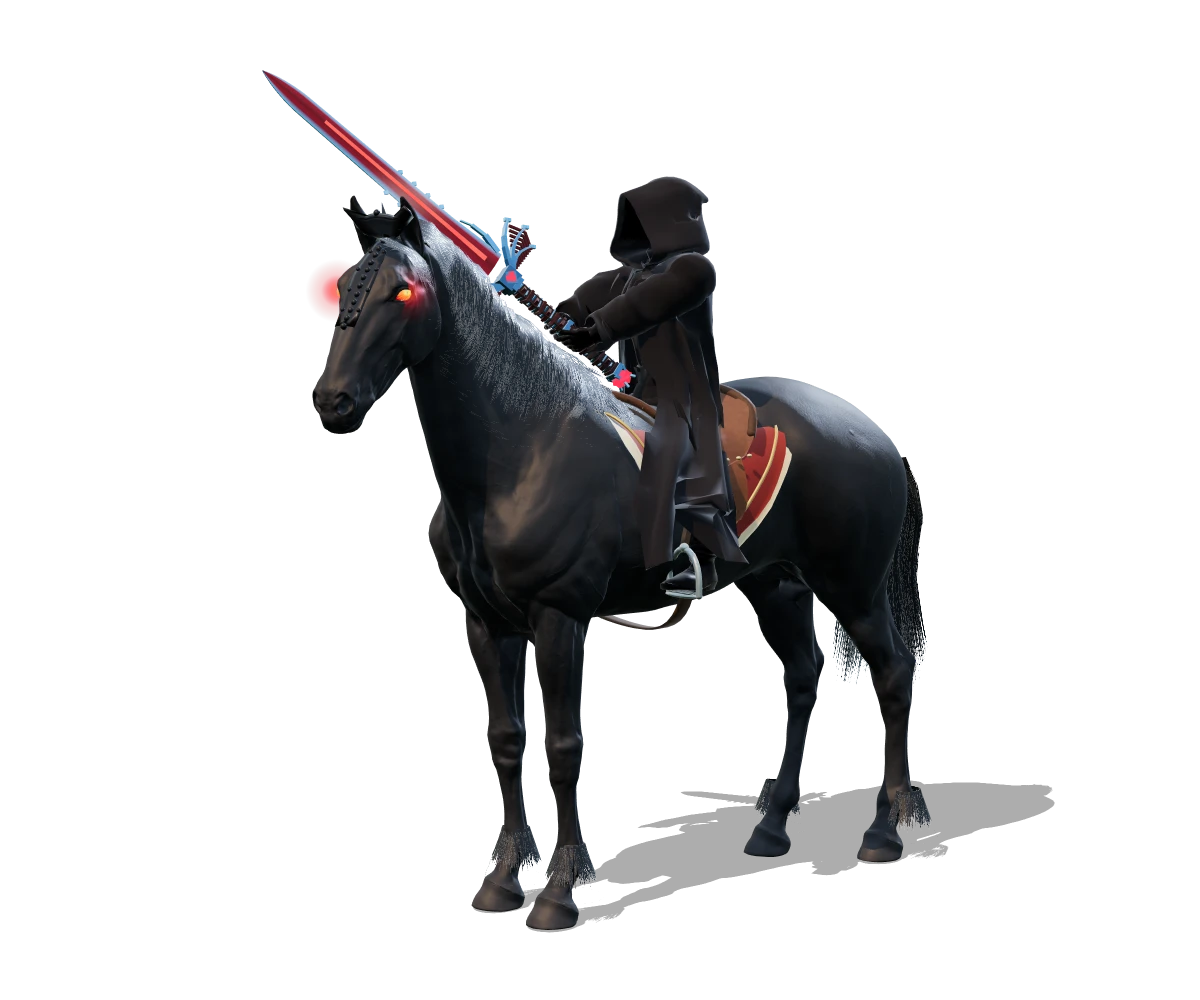
The last one on the right is the Nazgul Robe: black and ghostly, with a face you cannot see. It cannot be crafted, it never drops from monsters and it is never found in chests: only the game master puts it into the game.
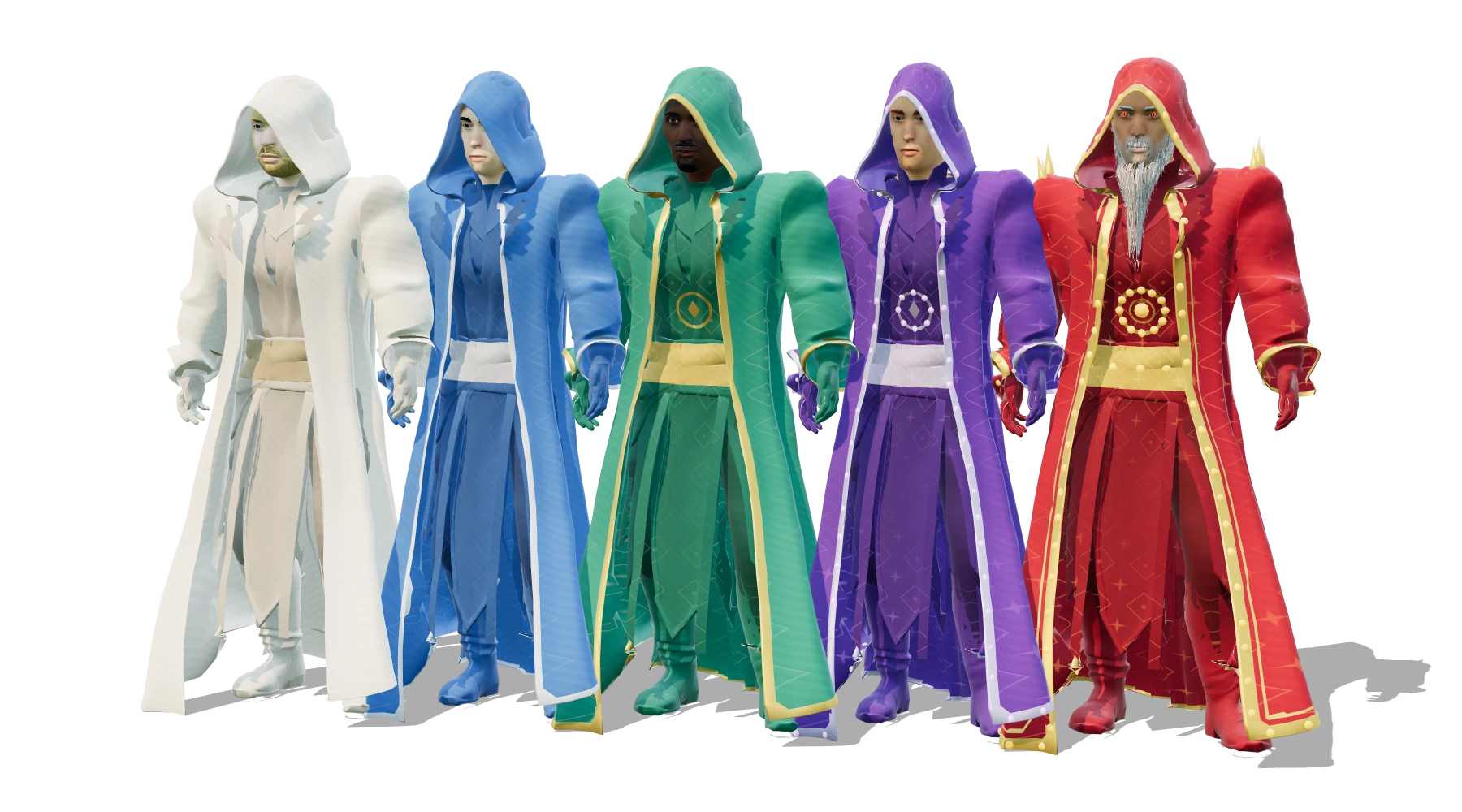
The mage set
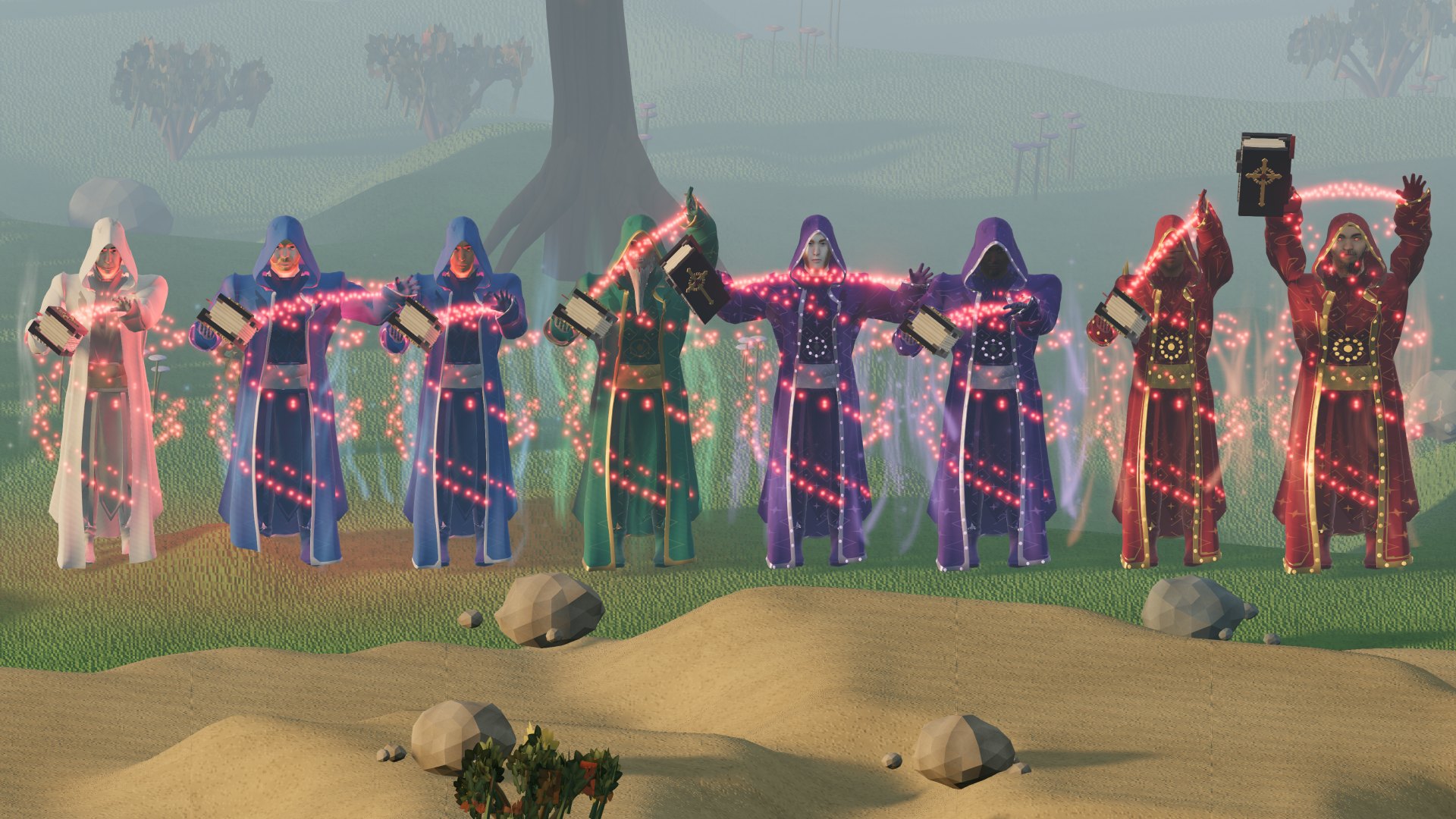
Robe, gloves and boots in five levels, from white to red. The set's powers only light up with the full set of the same level; with the fifth, the mage's eyes light up too.
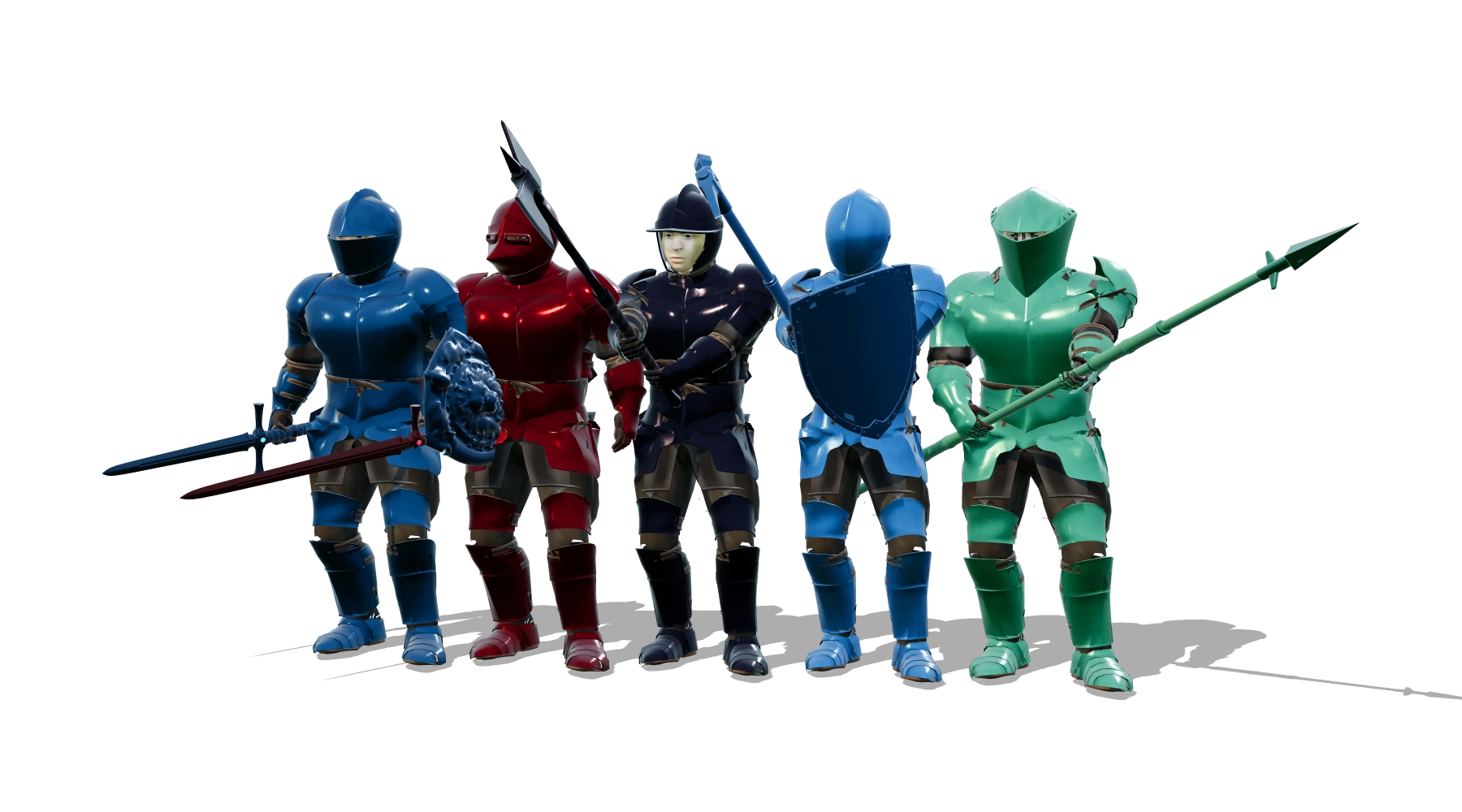
Five helm shapes
The plate helm comes in five shapes: the Armet, the Bascinet, the Burgonet, the closed helm and the Stechhelm. They all protect the same: you choose the shape when you craft it, and it never changes. Vendors sell them all, at the same price; monsters drop one at random.
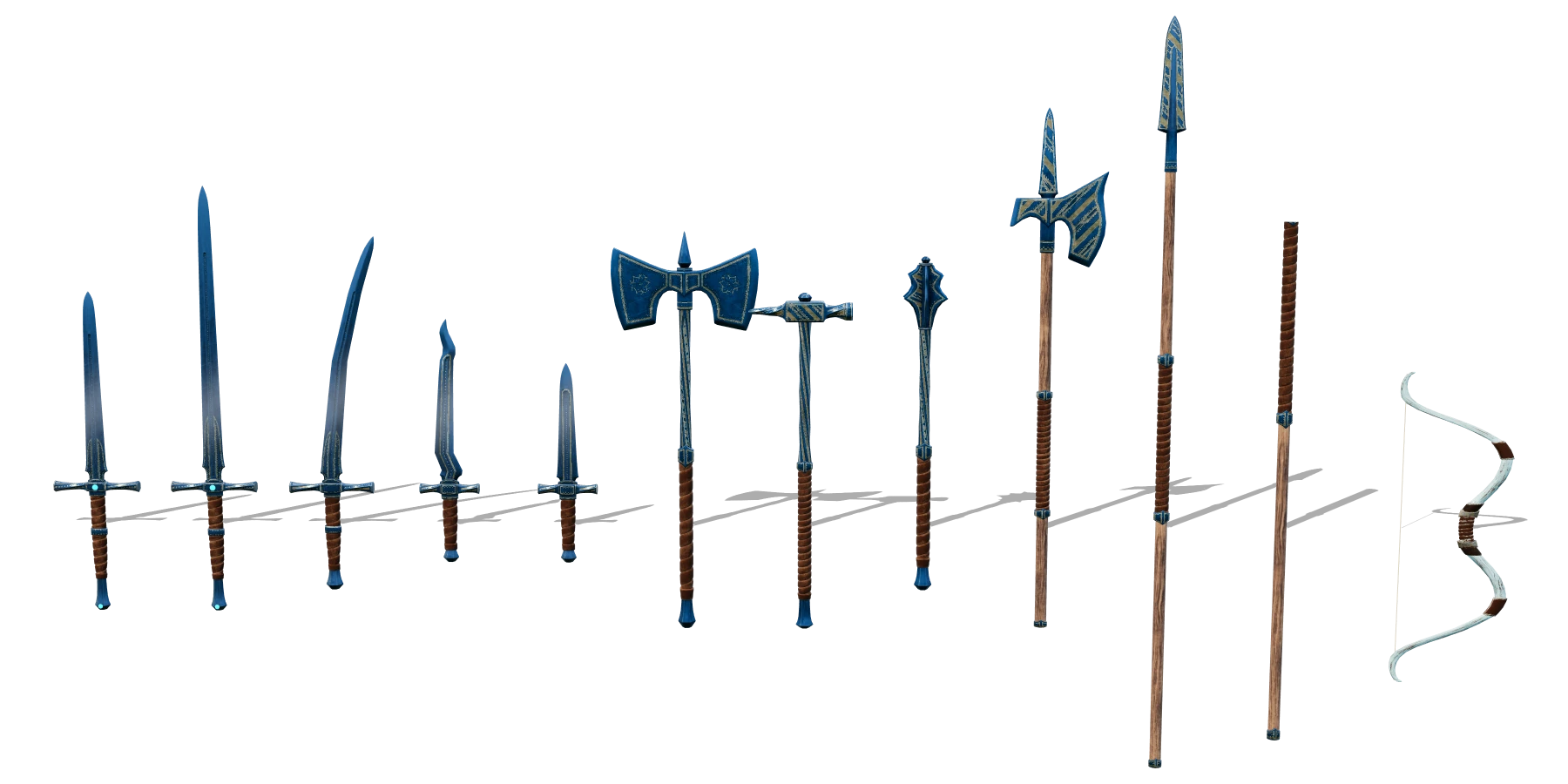
The weapons
Swords and great swords, scimitars, kryss and daggers, double axes, hammers and maces, halberds, spears and iron-shod staves, and bows in five woods: all remade, in the colour of their metal. Mithril, vermillion and black rock have the noblest shapes, and they glow at night.
Ink on the skin
Tattoos follow the body: they bend with the arm, stretch across the chest, stay under the armour and show again when you take it off.
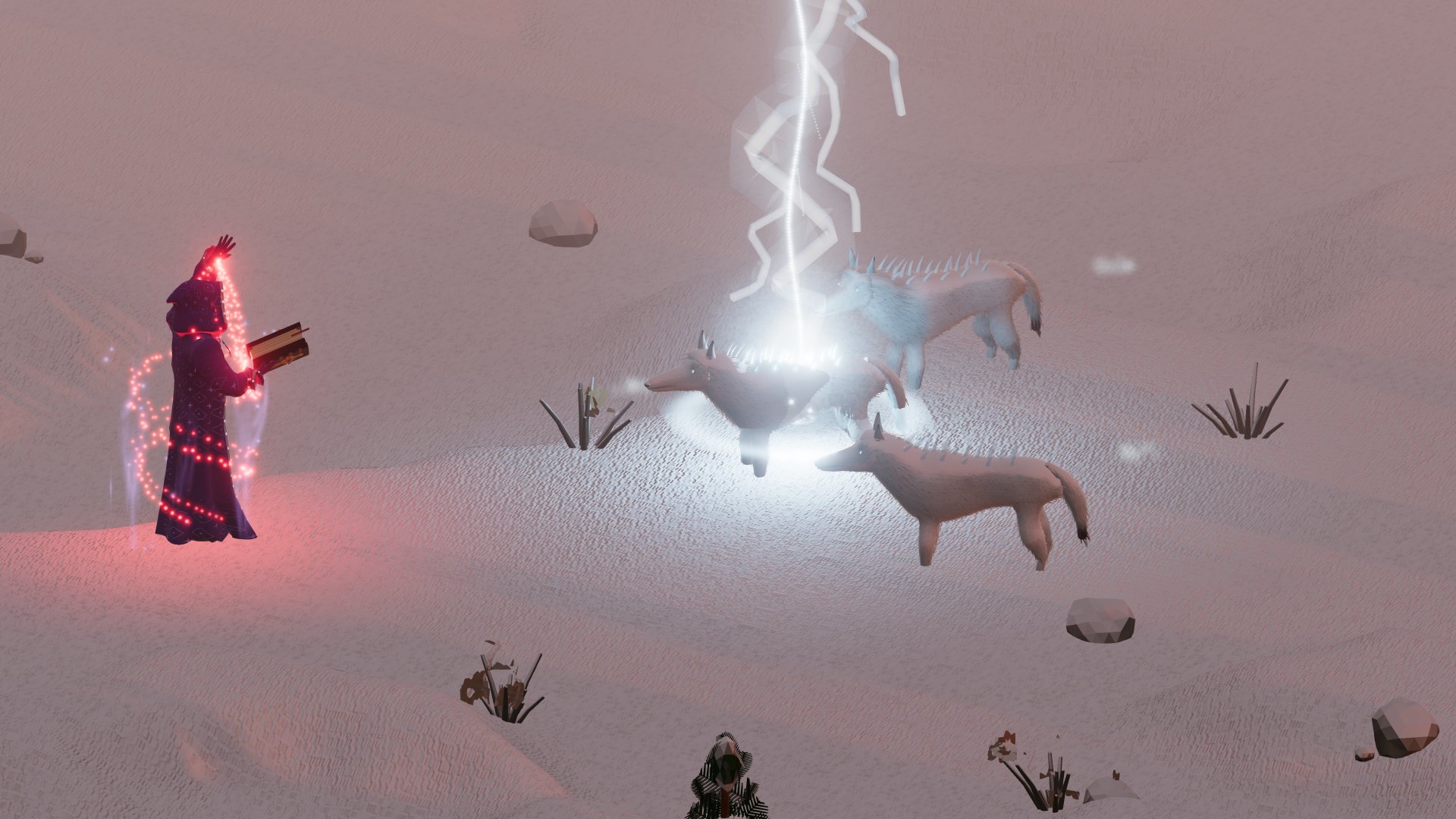
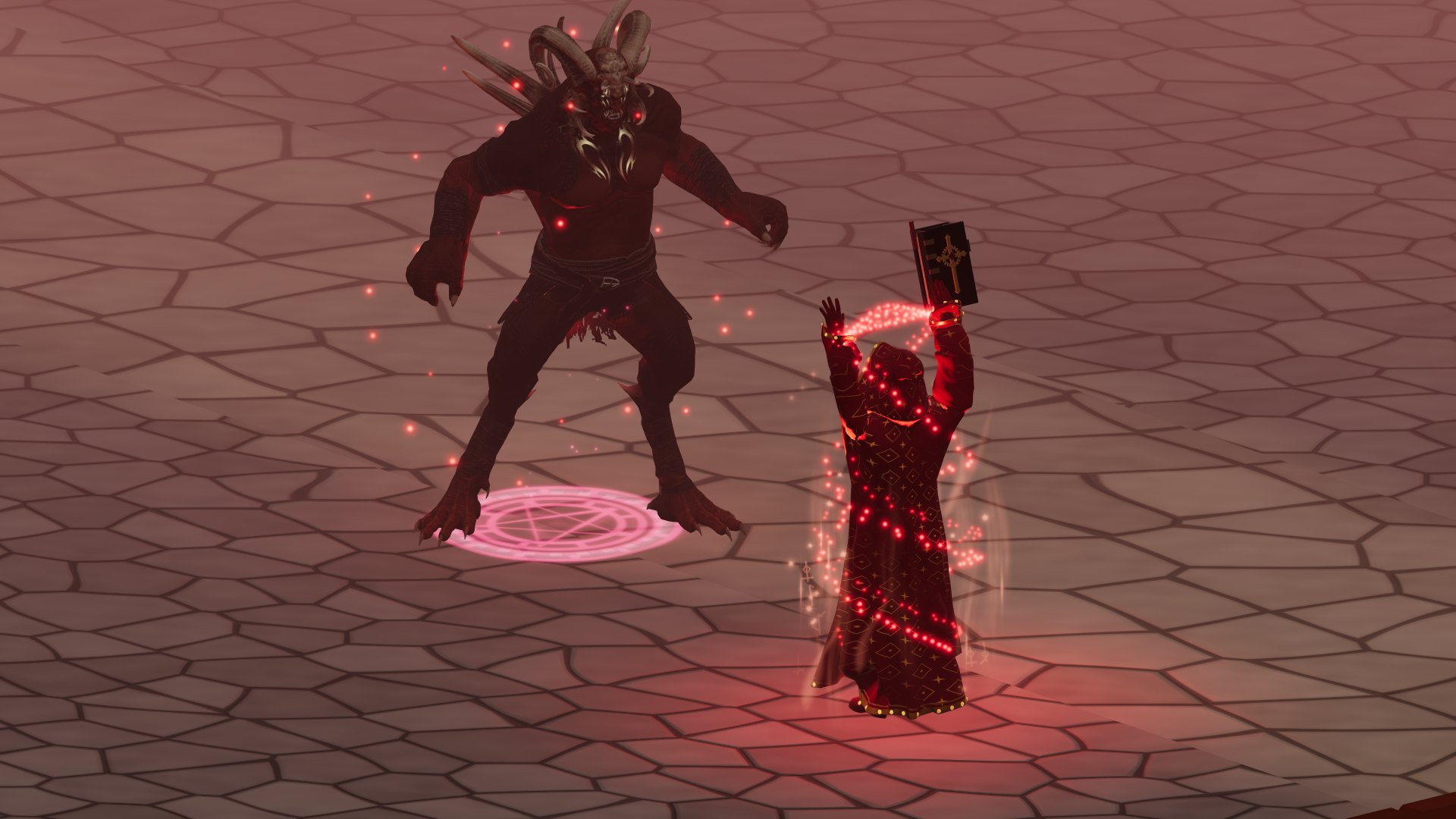
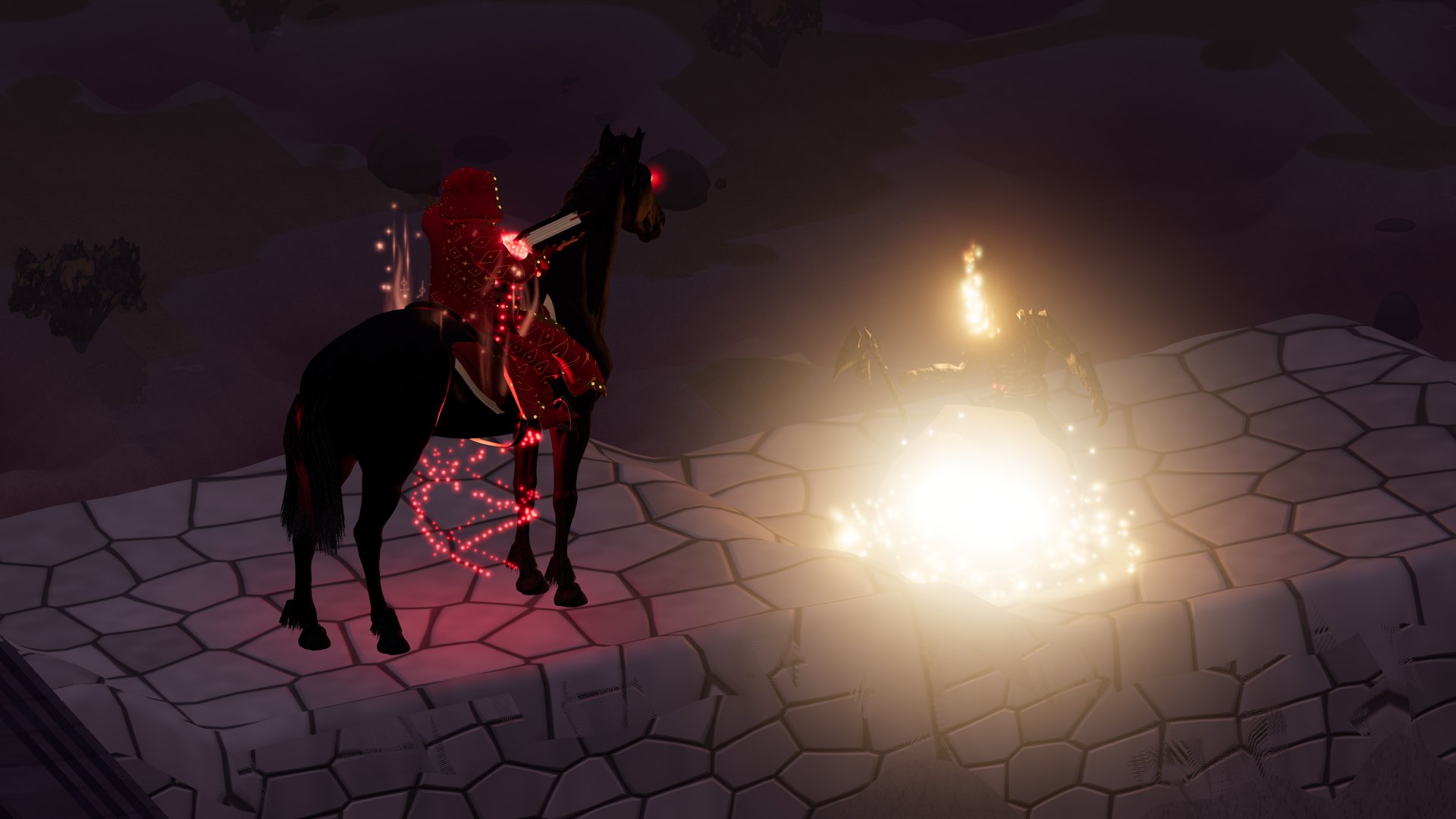
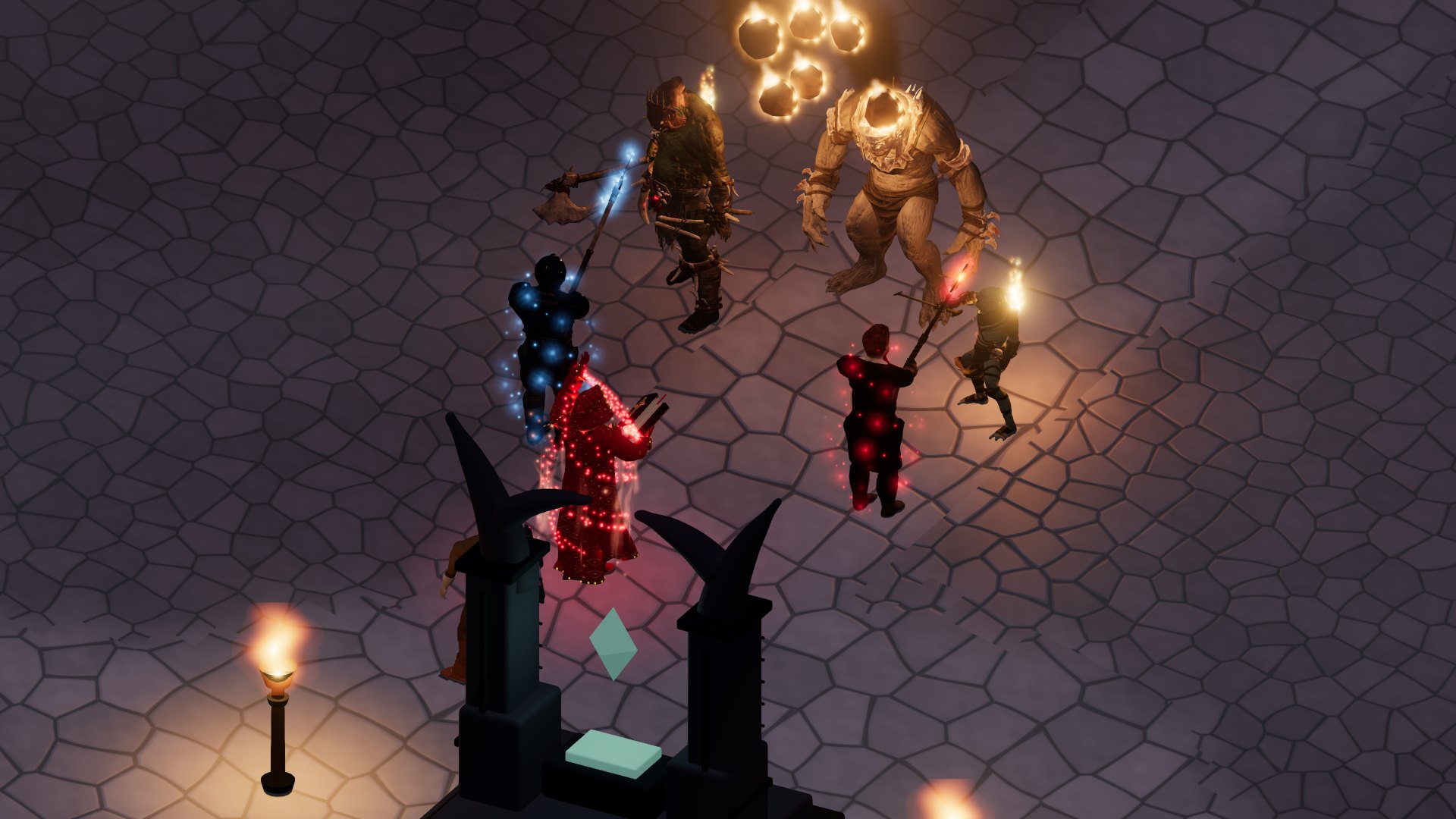
Eight circles, fifty-seven spells.
From Magic Arrow to Earthquake. Walls of fire, paralysis, lightning that jumps from one enemy to the next, summoned demons and elementals, Polymorph and, above everything, Dragon Form. Every circle has its own gesture: the mage opens the tome, charges, and casts. Every spell wants its mana and its reagents, and the rarest scrolls are found only in the dark.
Under the earth, the dungeons.
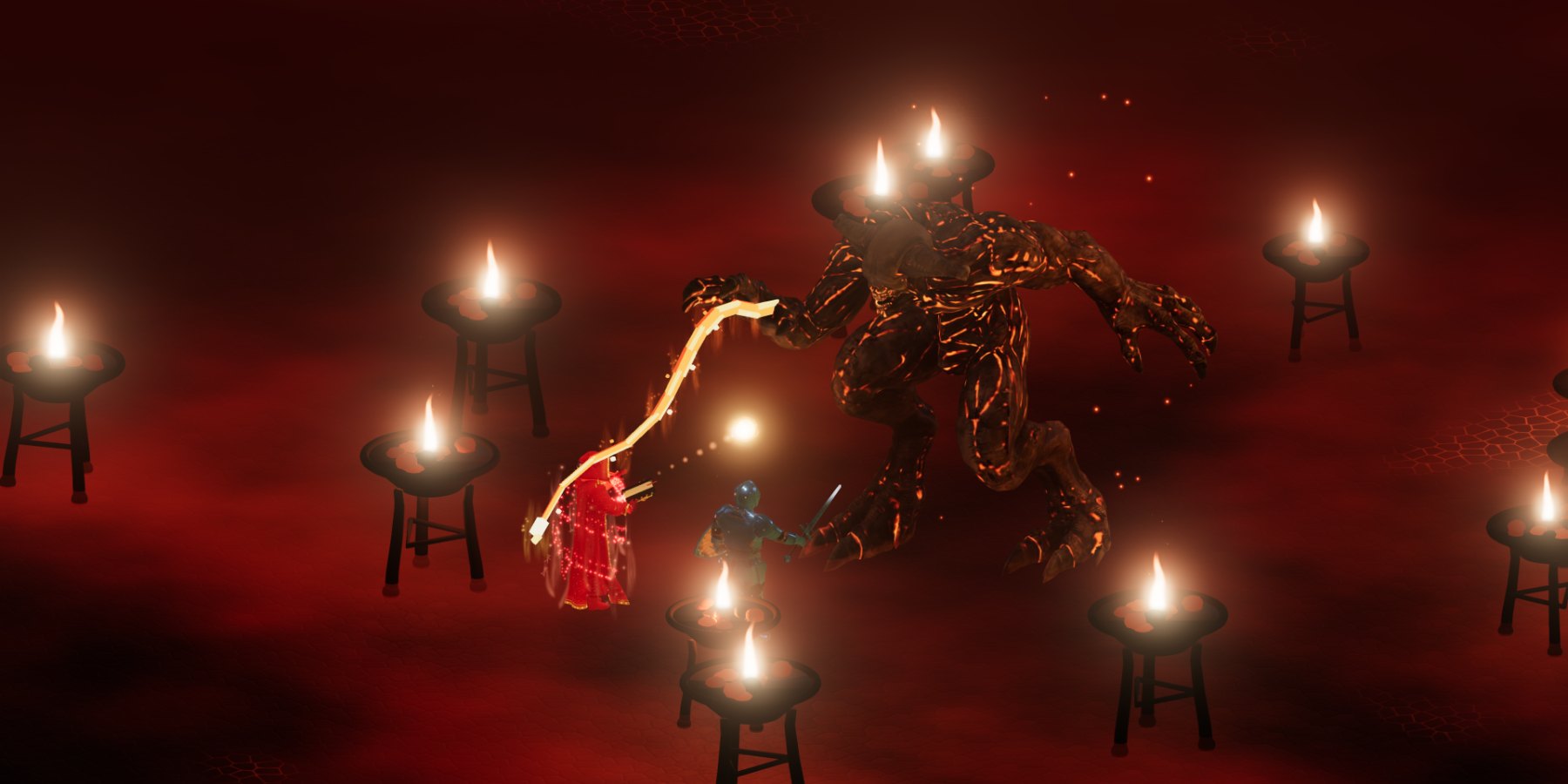
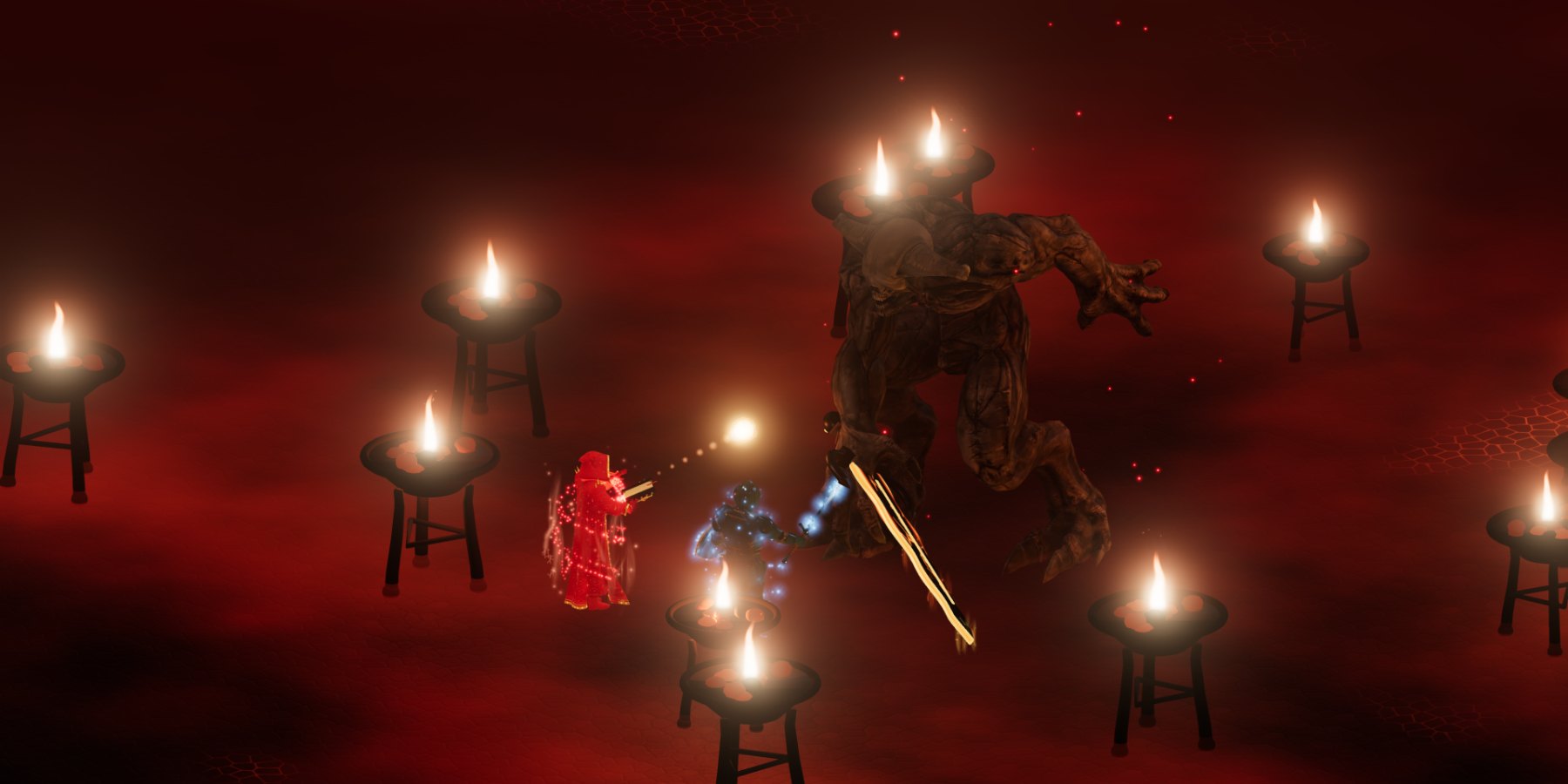
Fifteen dungeons, each one a map of its own: you go in through a huge gate carved into the mountain and find yourself on the threshold. Four levels going down, narrow corridors, crowded halls, traps hidden in the floor, locked chests. And at the bottom, the boss.
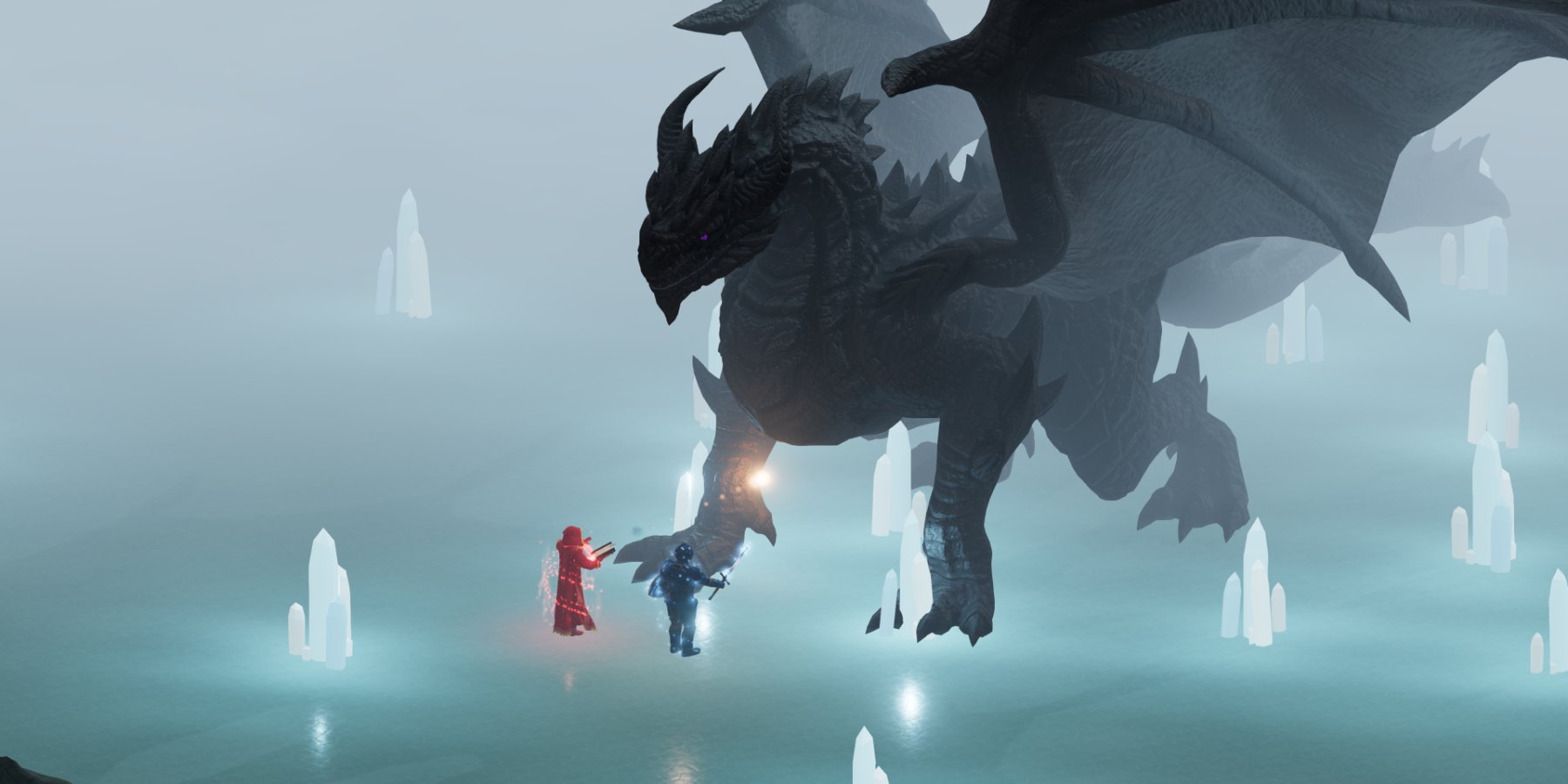
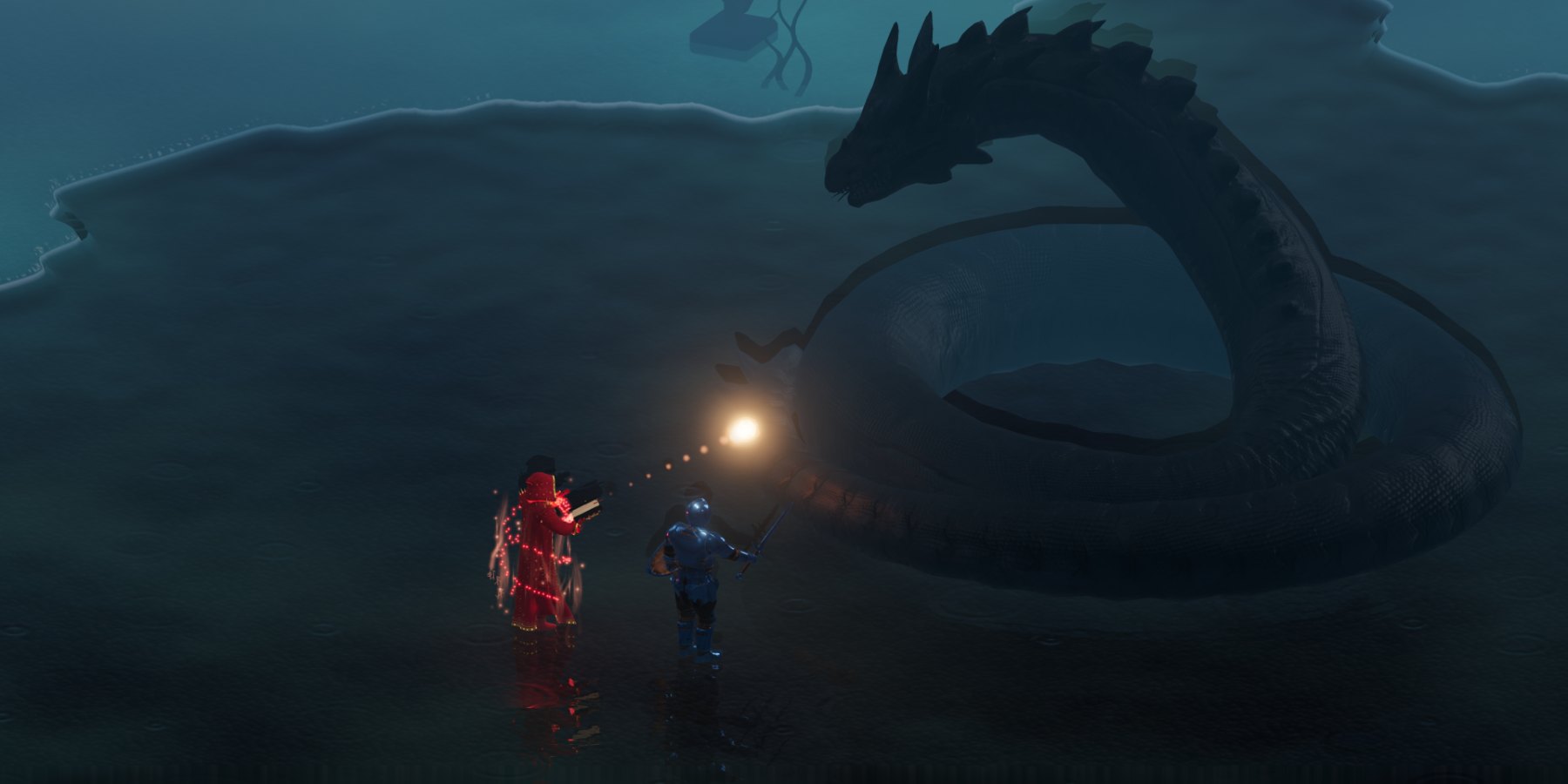
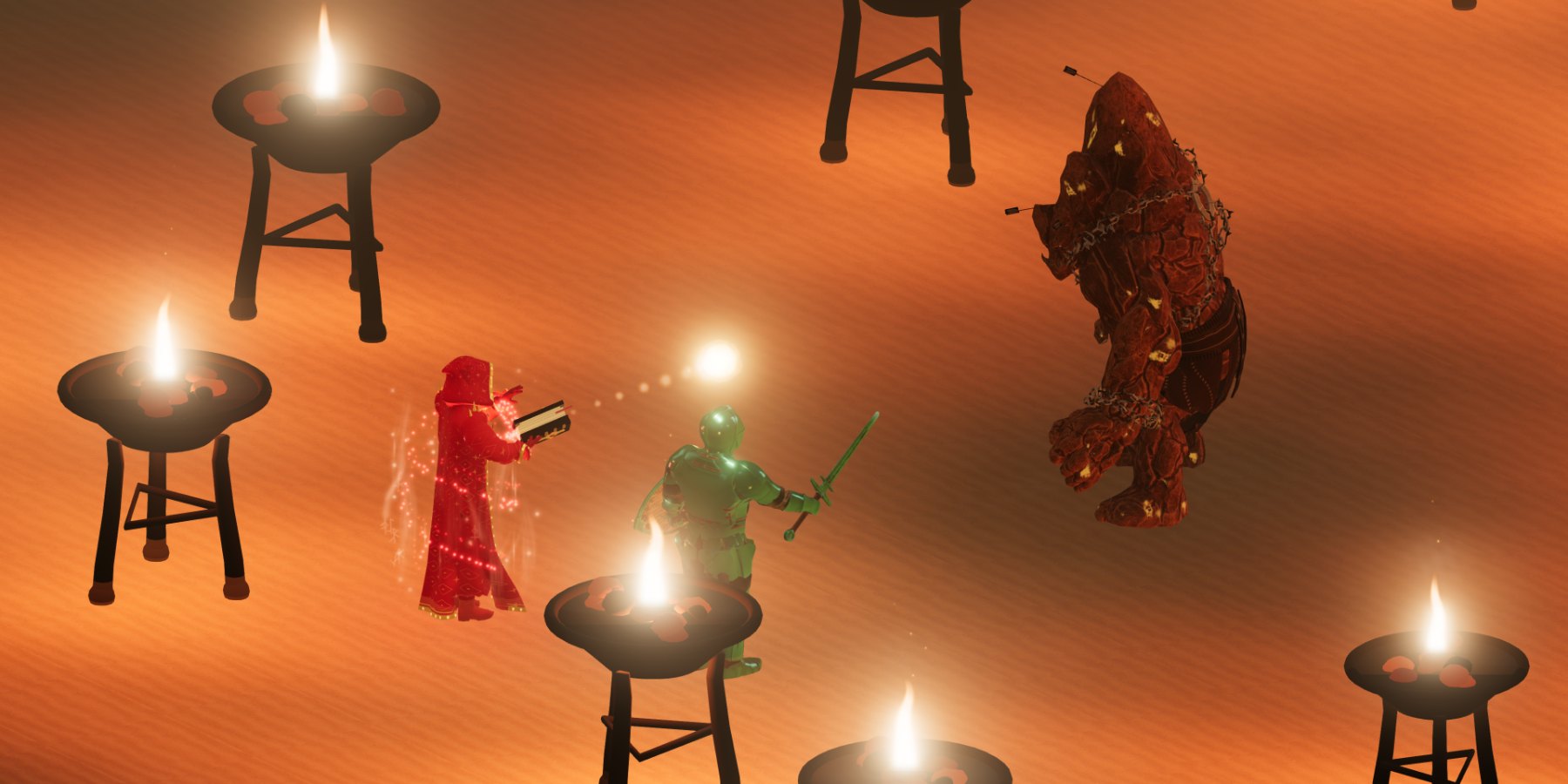
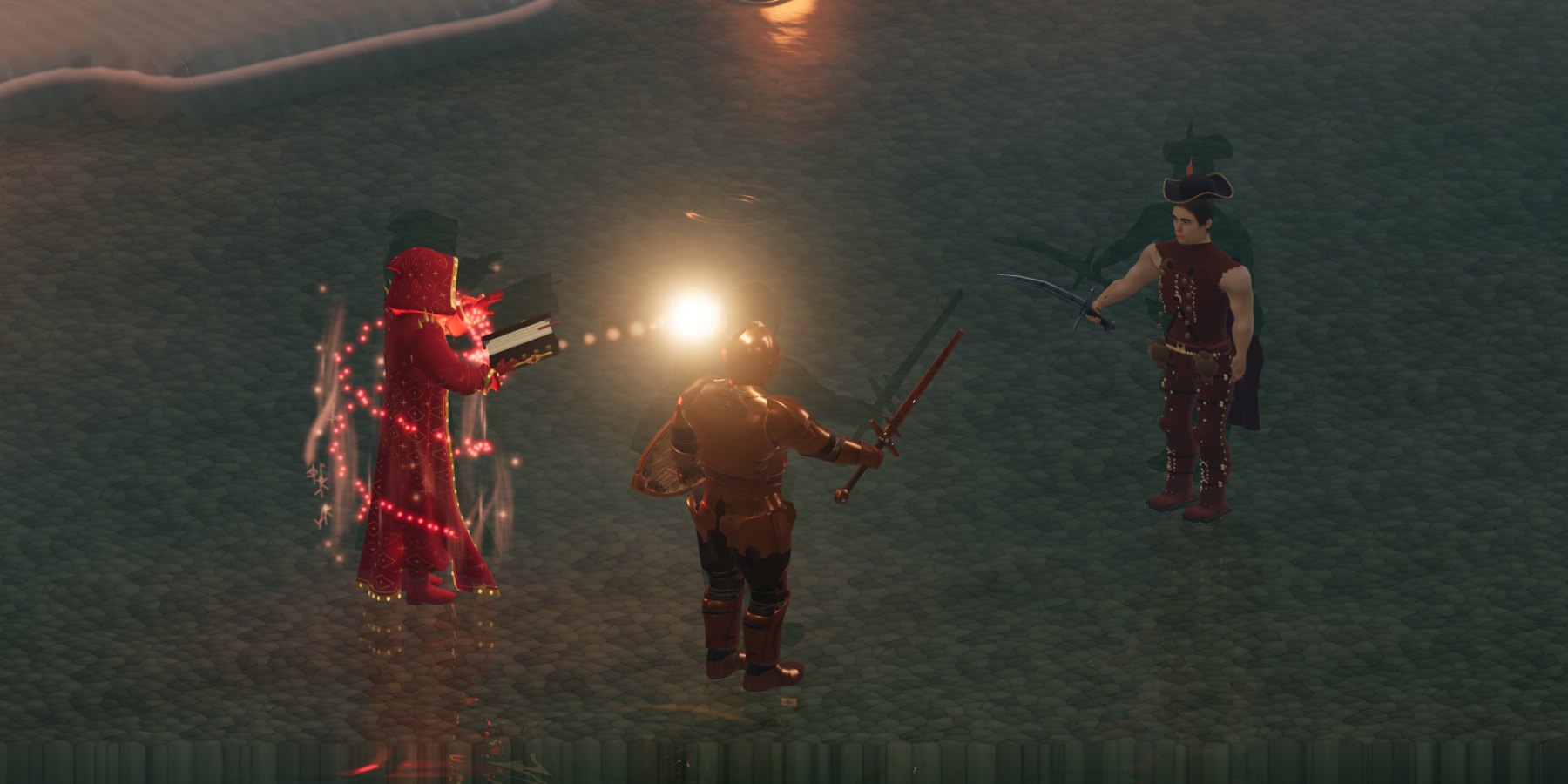
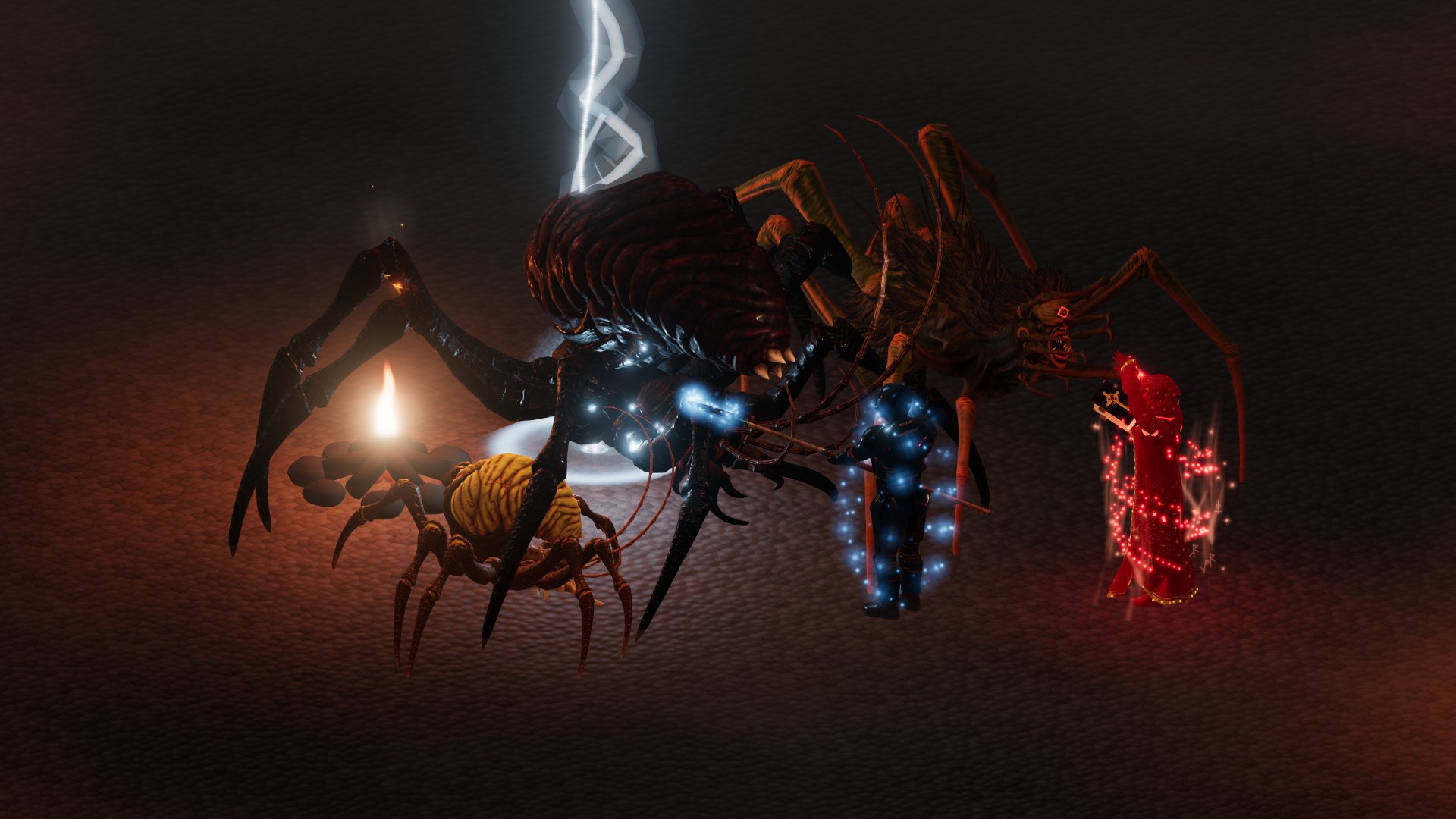
Eight dungeons in Fioralba, from the Catacombs to the Raider Dens. Seven in Cenerombra, where monsters start at level 60 and reach 200, with the Arachnid’s Nest: the Necropolis of the Lich King, the Frost Kingdom of the Ancient Black Dragon, the Infernal Portal, where the Lord and the Prince of the Abyss take turns. Alone it is hard. In a group you go deeper.
All the dungeons, one by one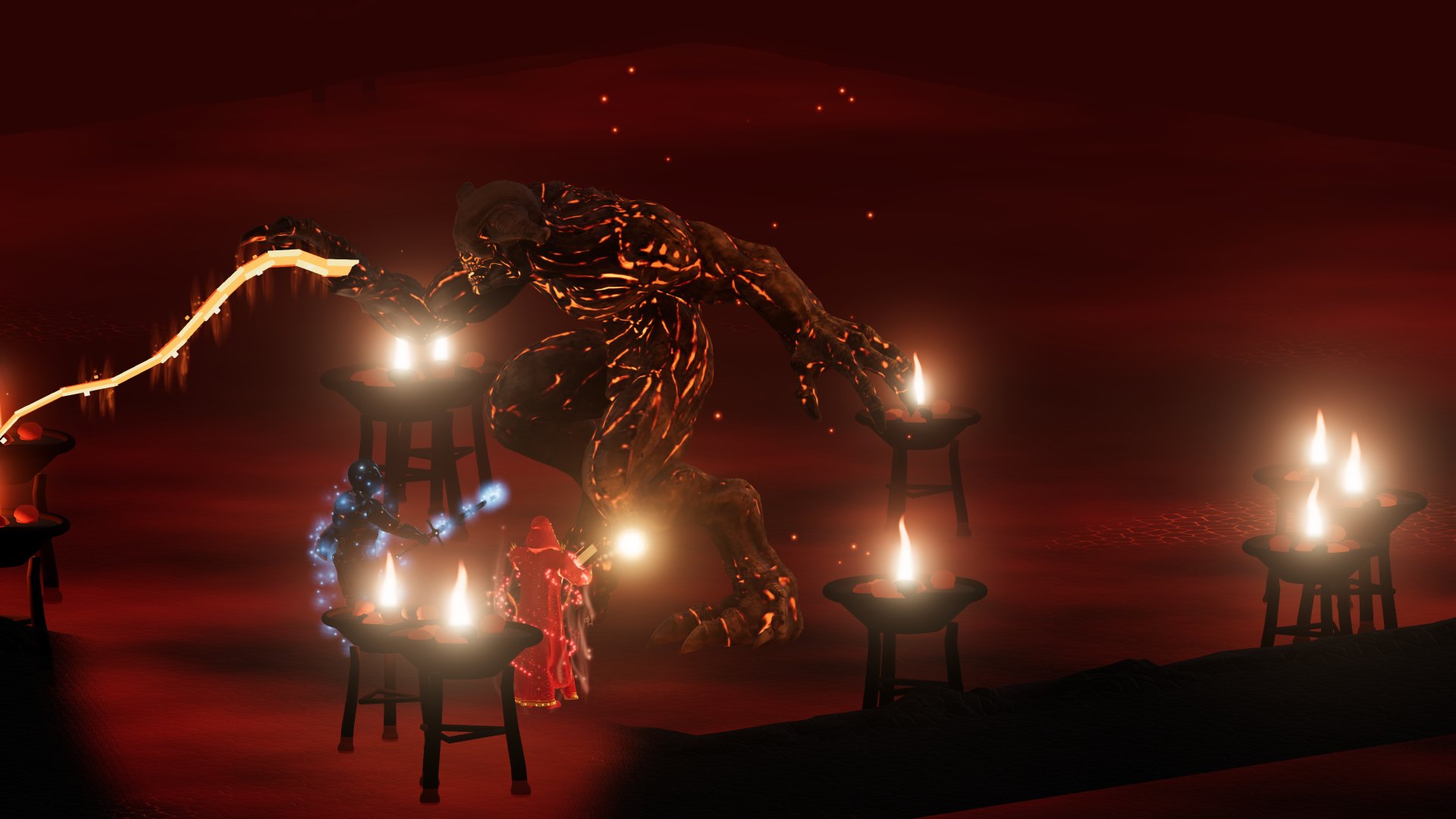
They wait for you in groups.
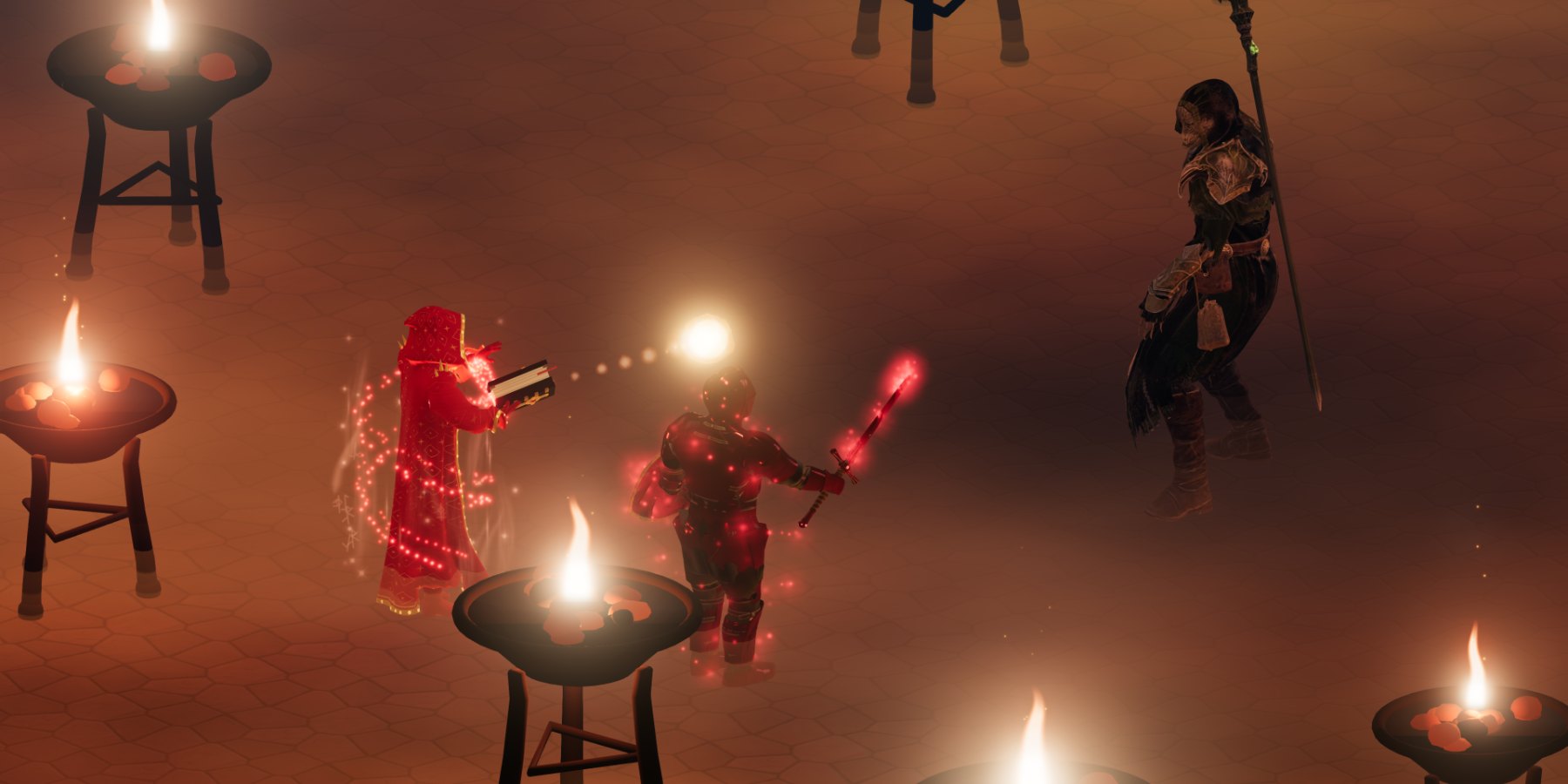
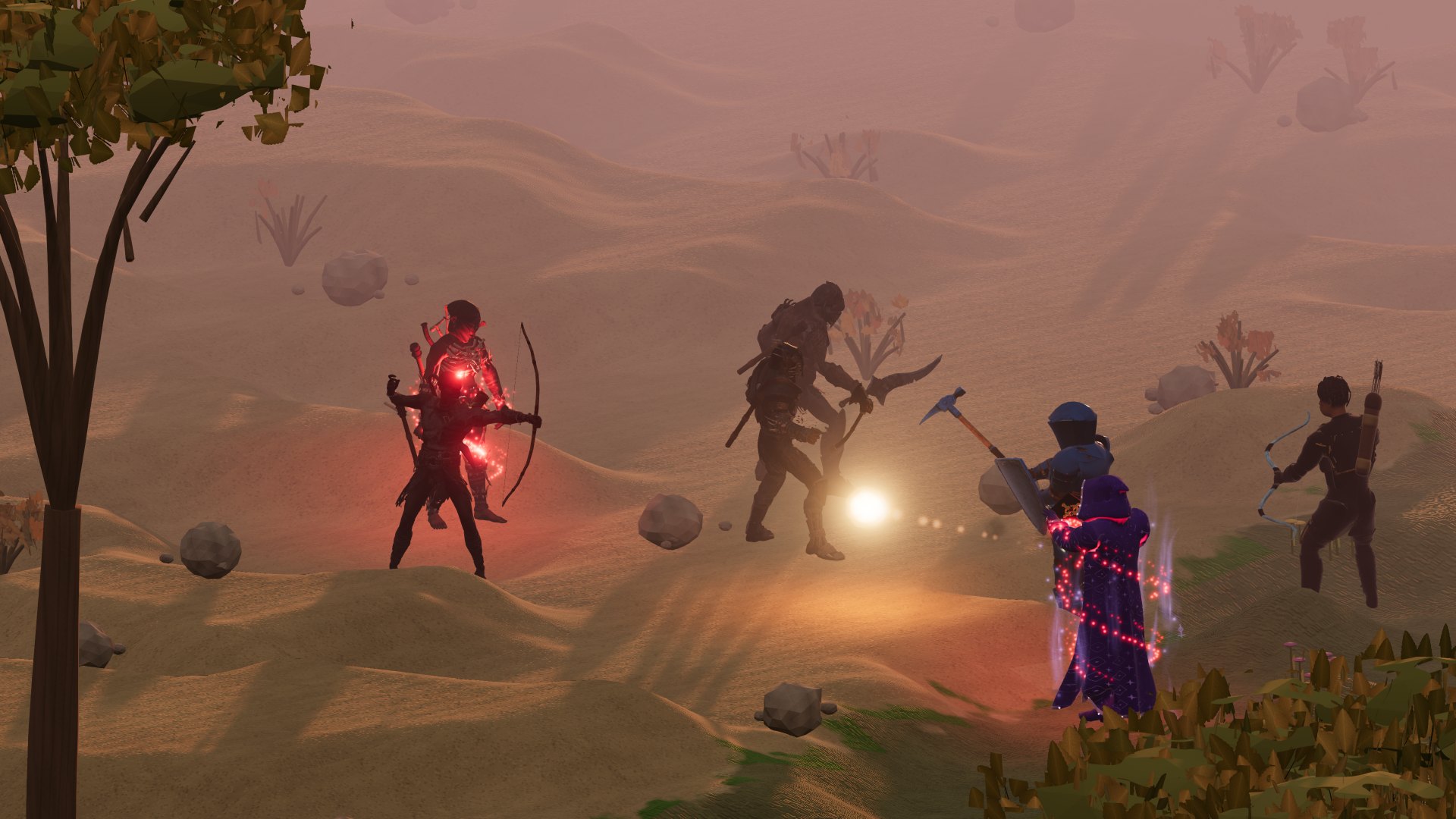
No more camps of monsters around a fire: monsters roam their biomes, guard castles, towers and graveyards, and attack on sight. And they organise: mages and healers in the middle, archers behind and on the walls, the melee in front and on the sides. The healer saves whoever is about to fall, the mage paralyses whoever is casting, the archer circles around you to get a clear line.
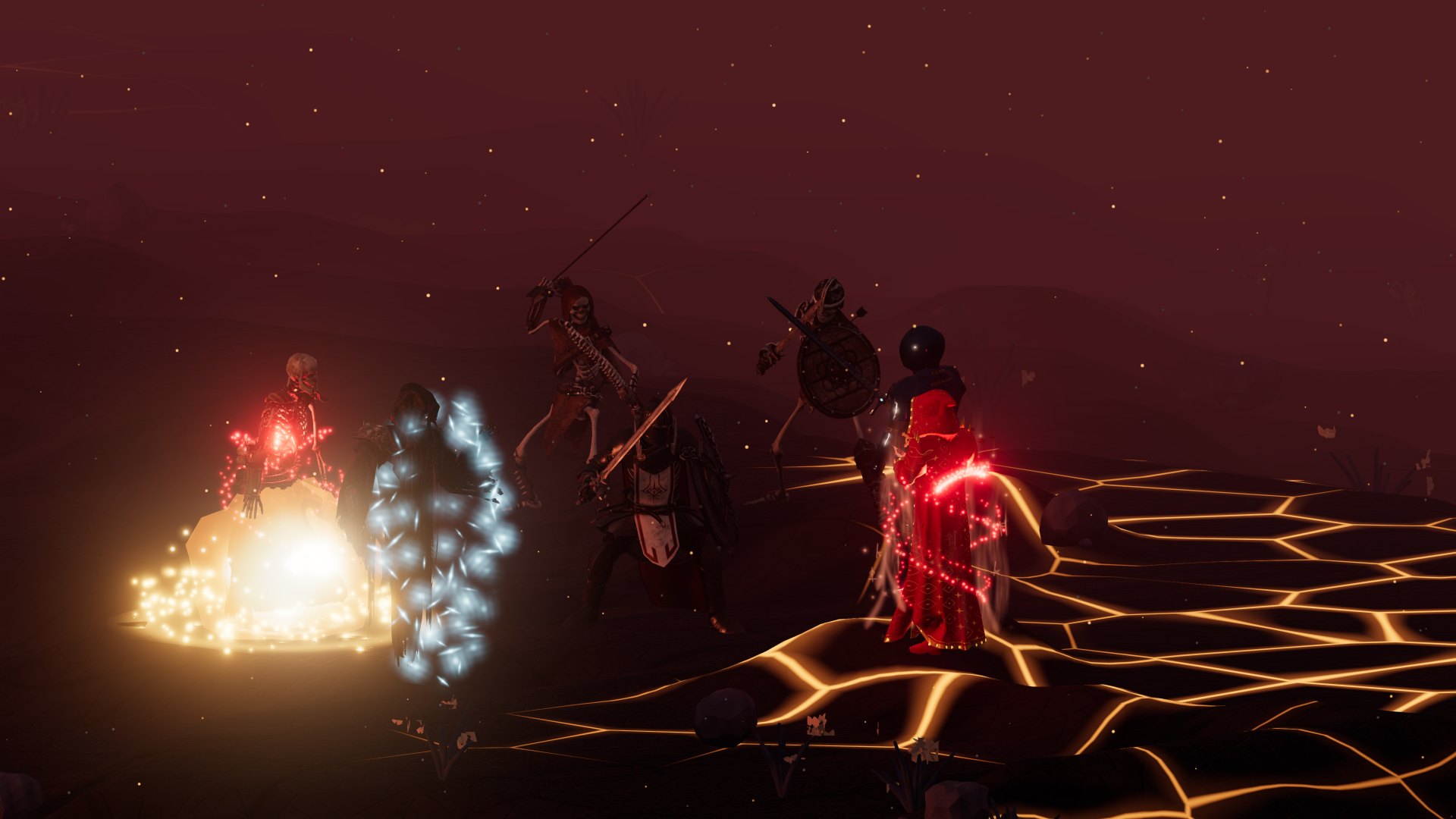
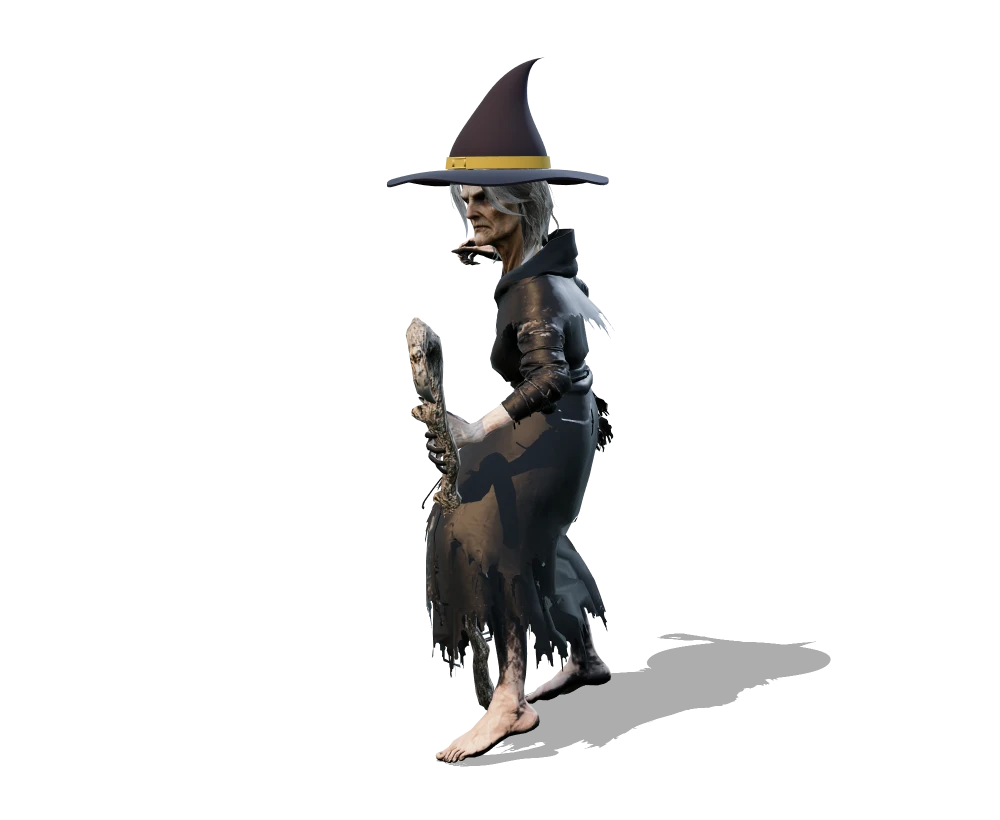
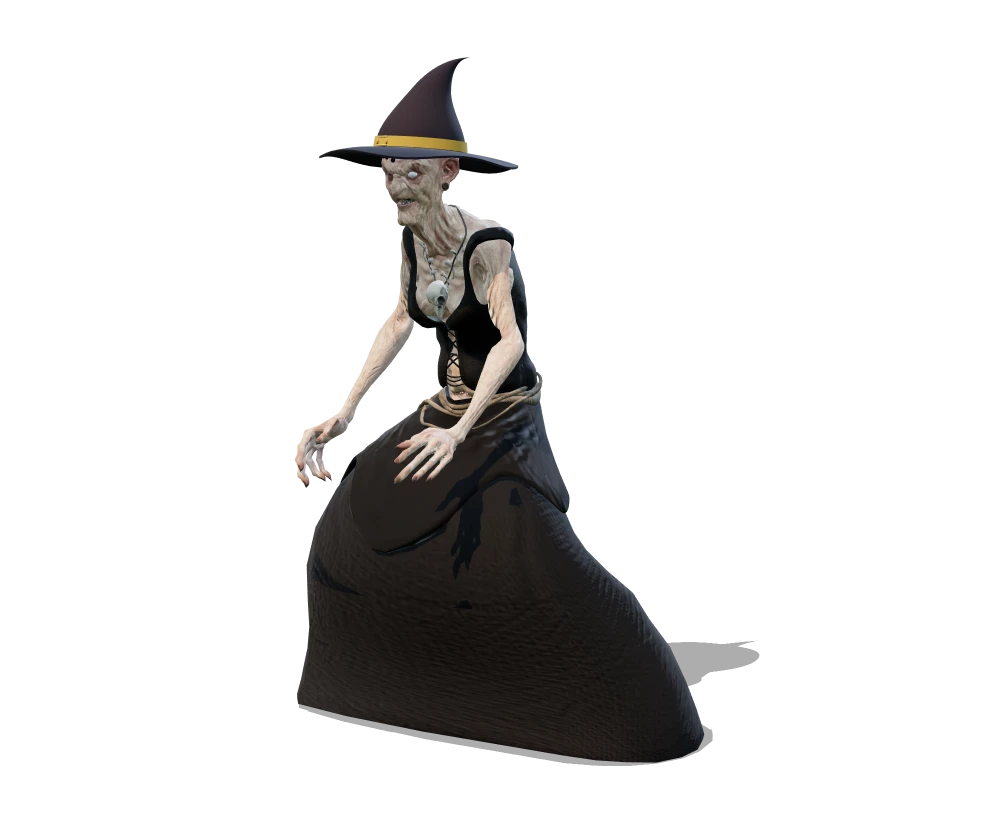
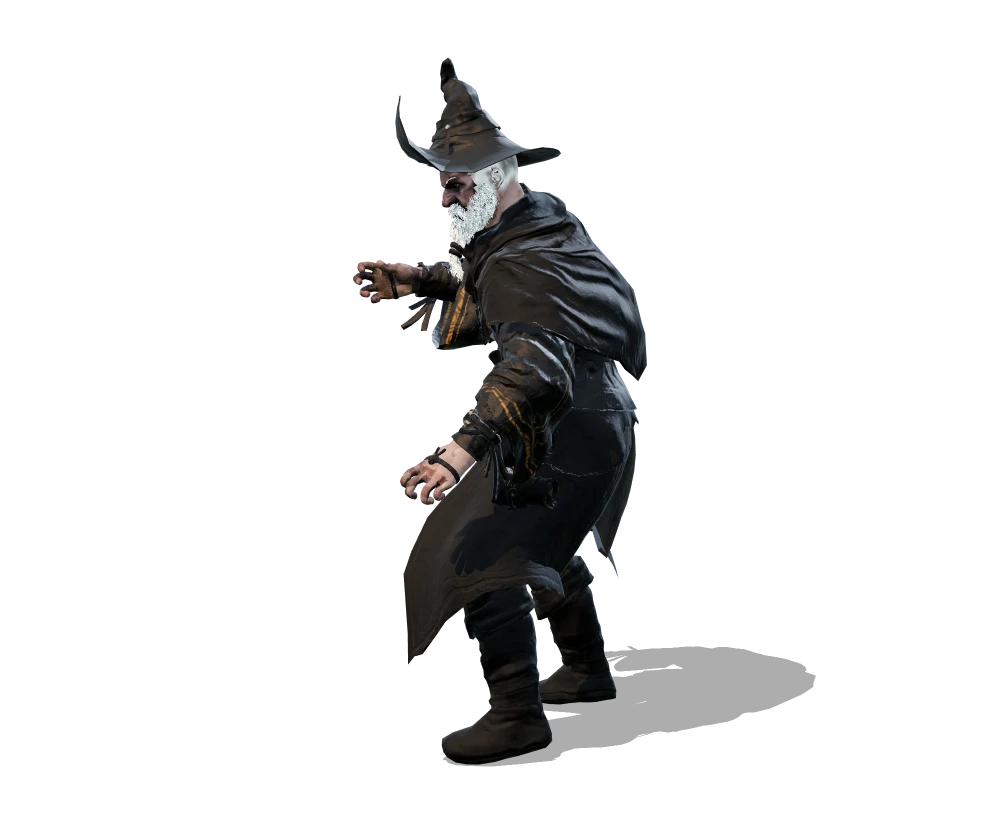
Every race has its own character: orcs charge and never retreat, goblins run away and come back with the pack, bandits lay ambushes, the undead come in waves. And in Cenerombra, from level 110 to 190, the witches, the hags and the warlocks: they curse, paralyse, heal their companions, and from level 160 hags and warlocks summon a demon.
The monsters and their brains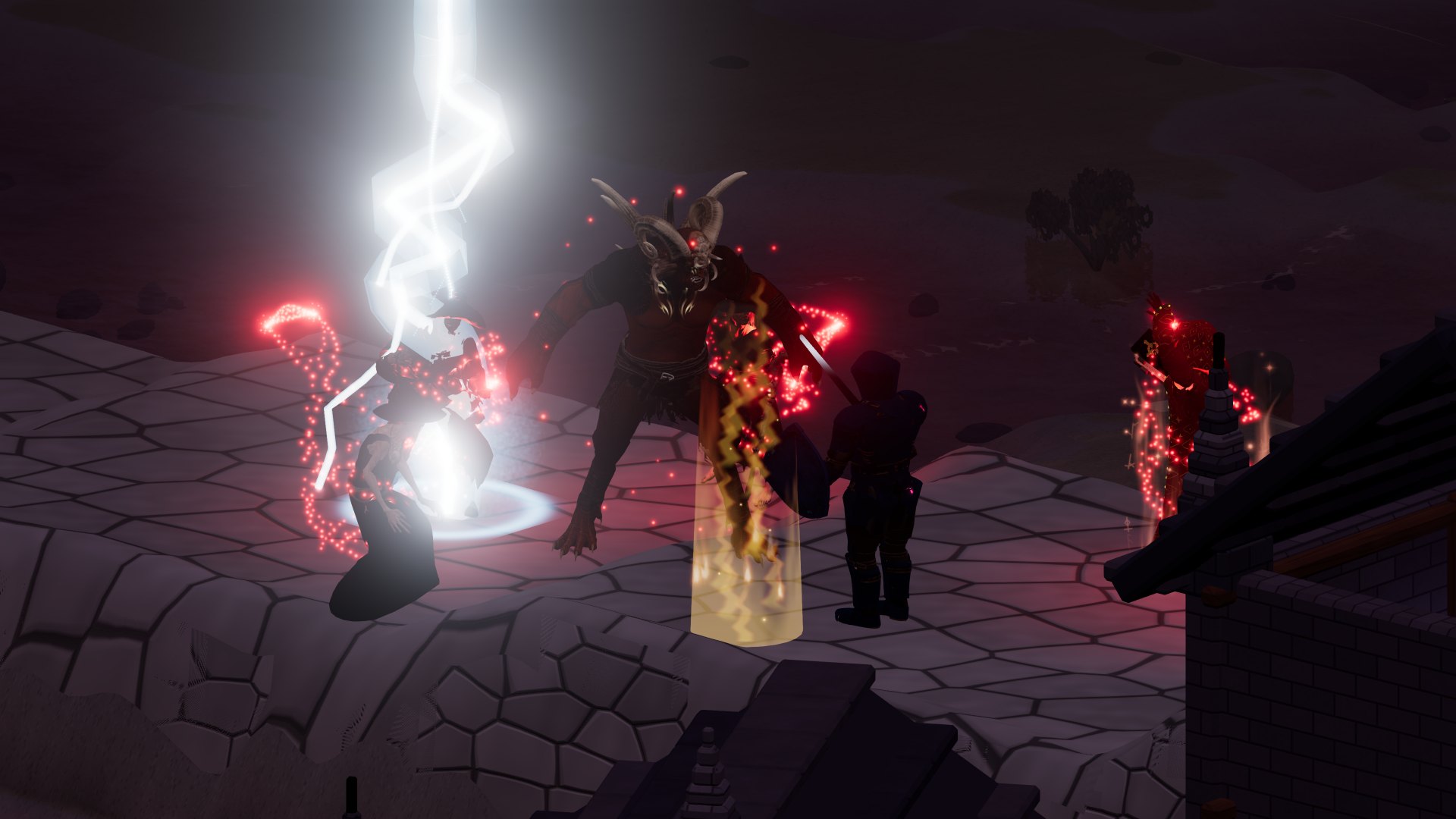
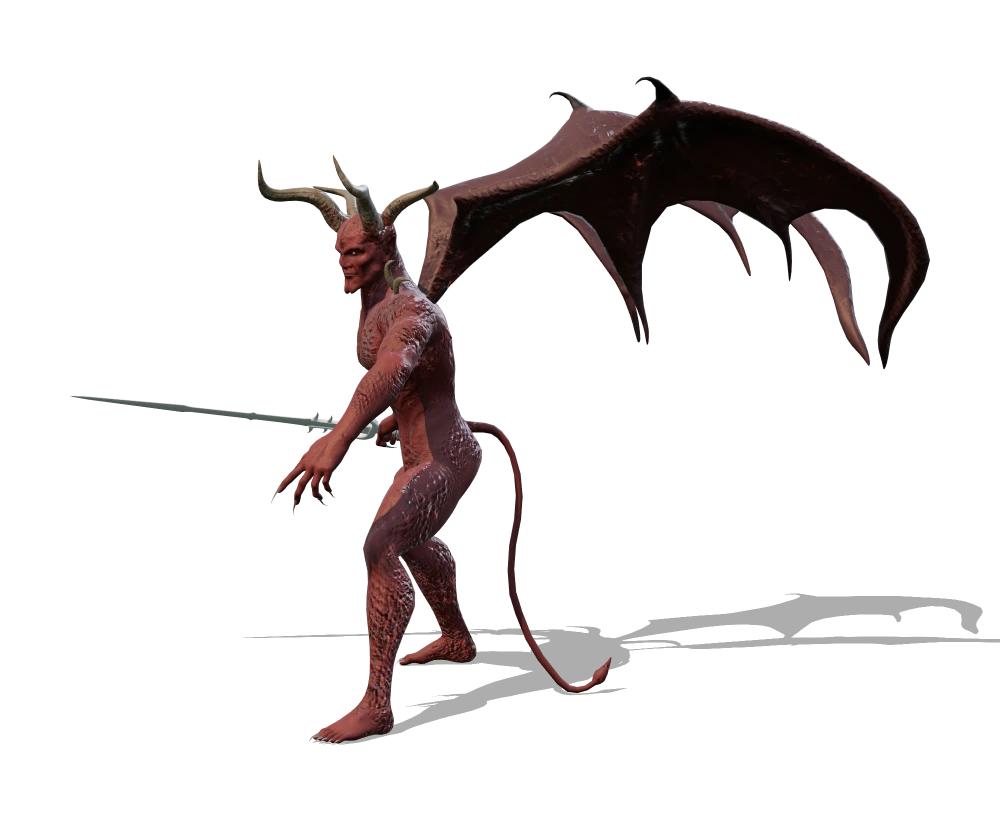
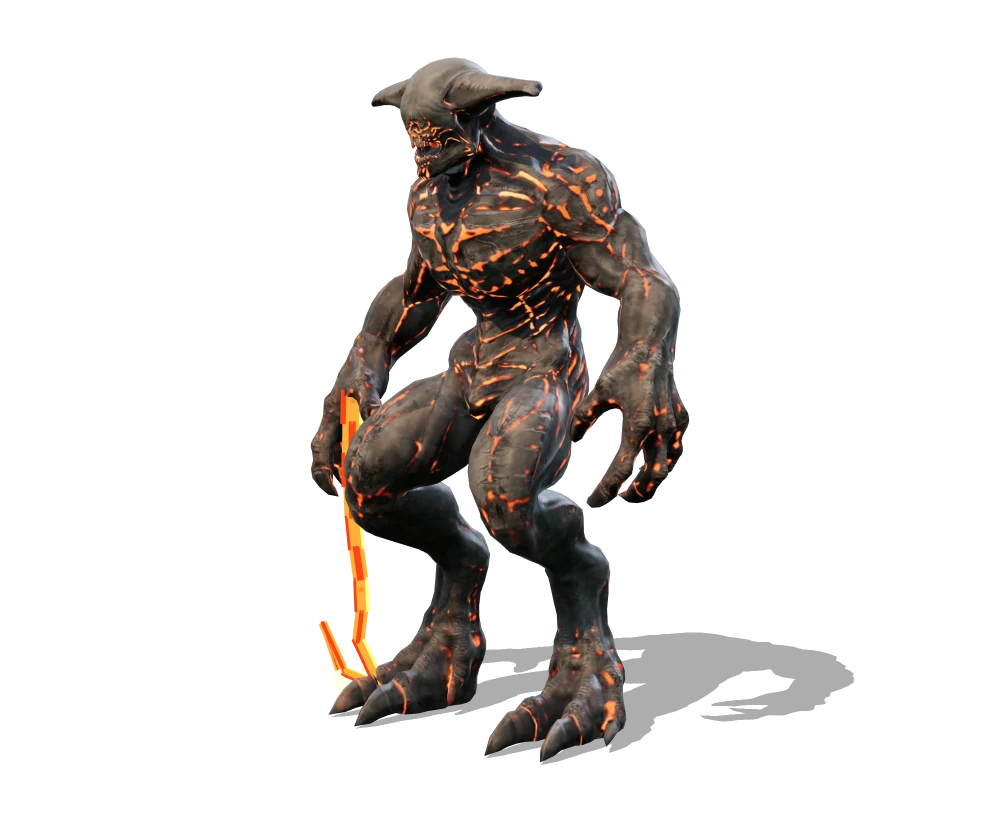
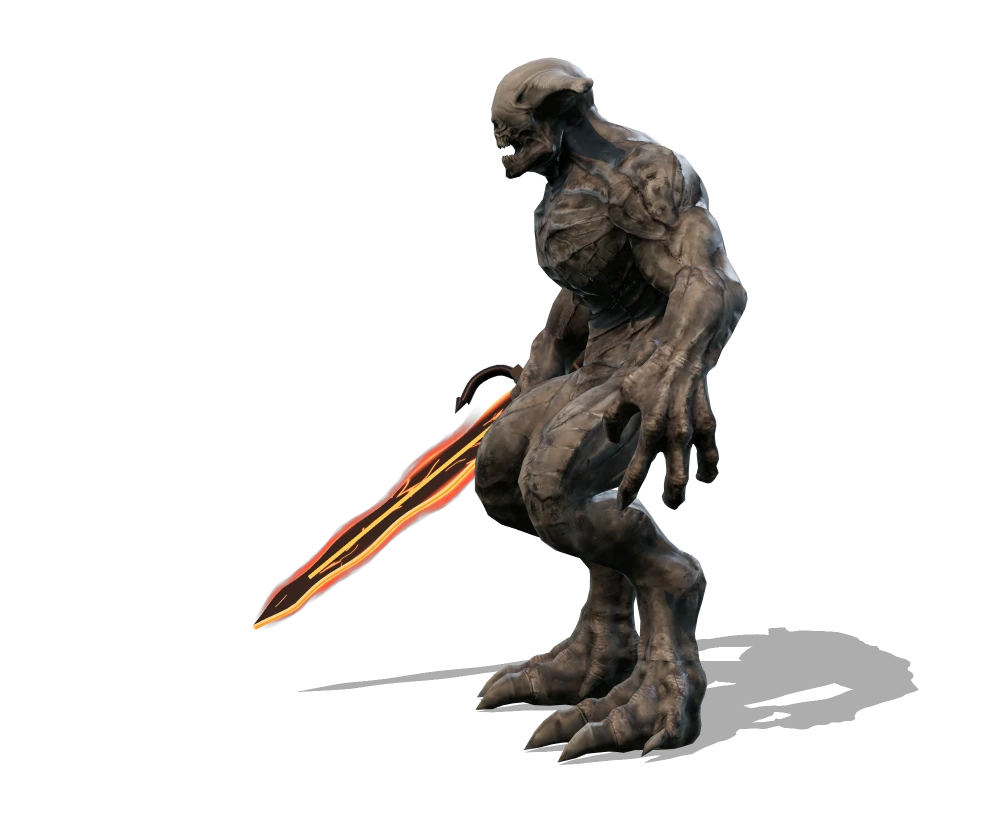
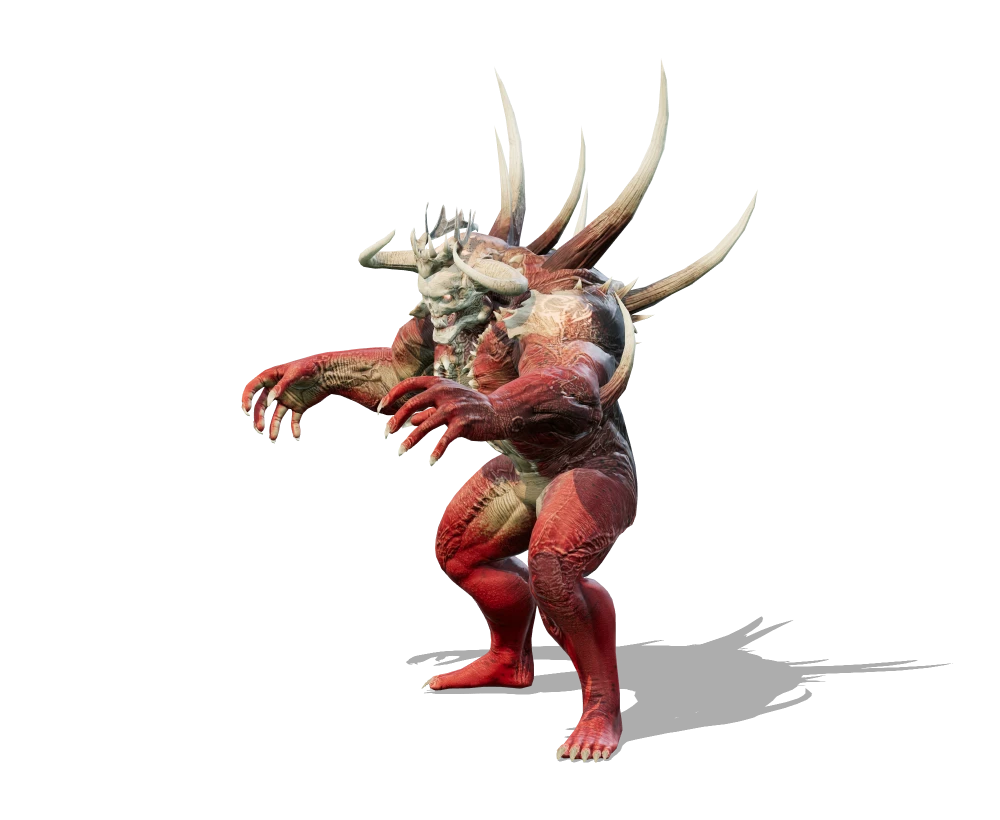
The bestiary
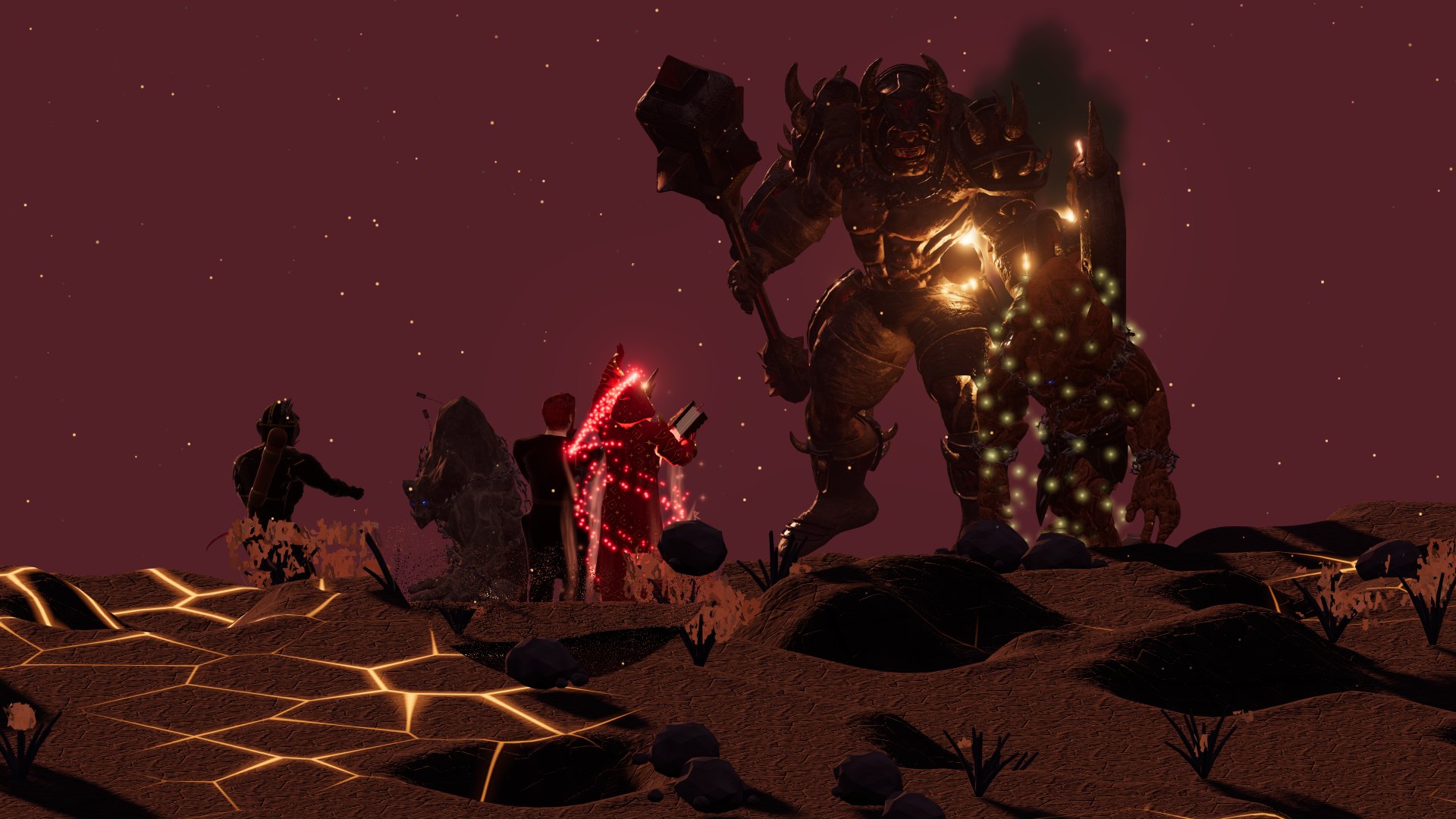
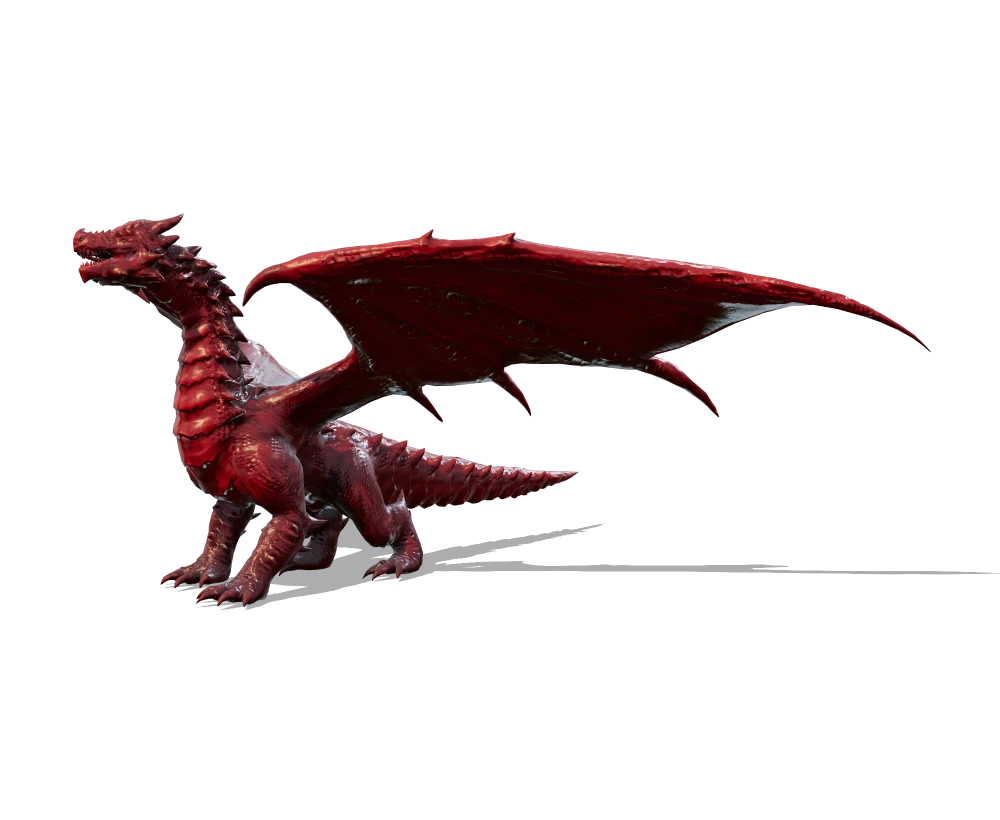
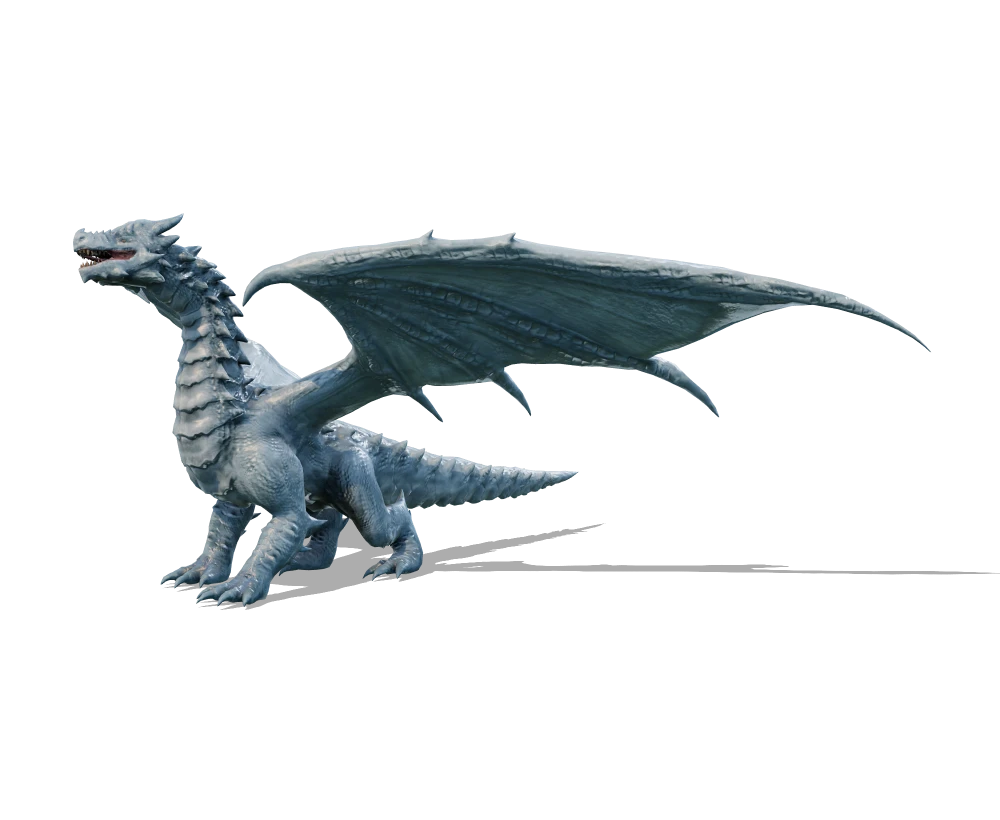
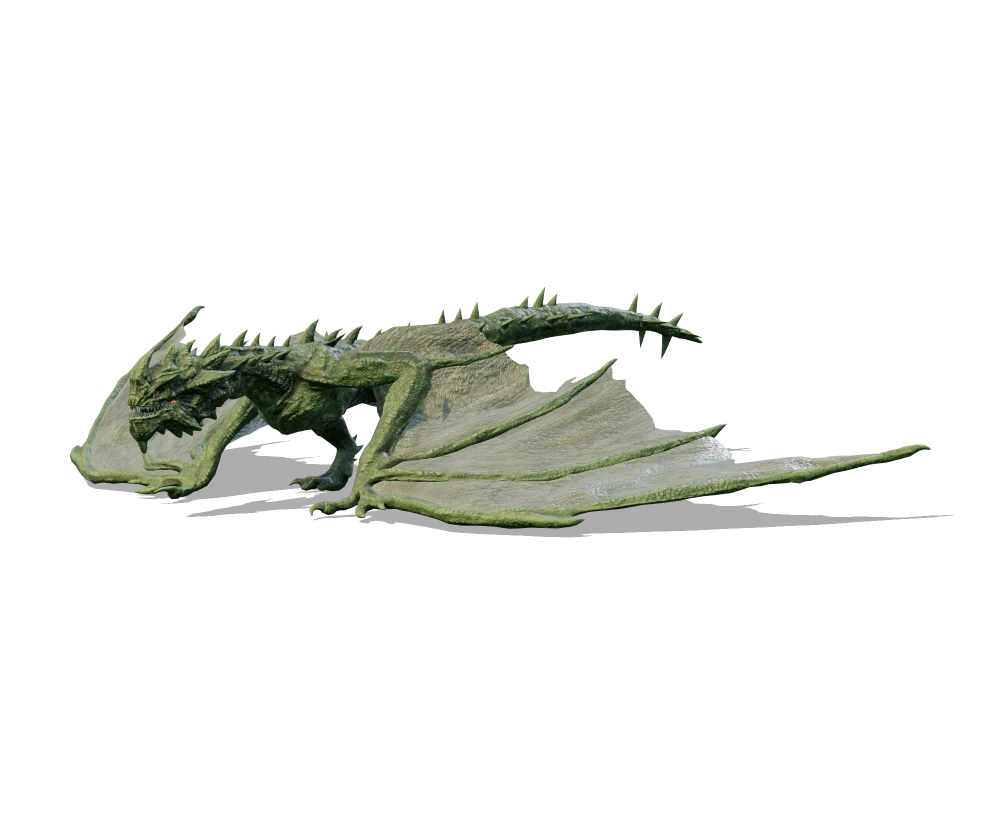
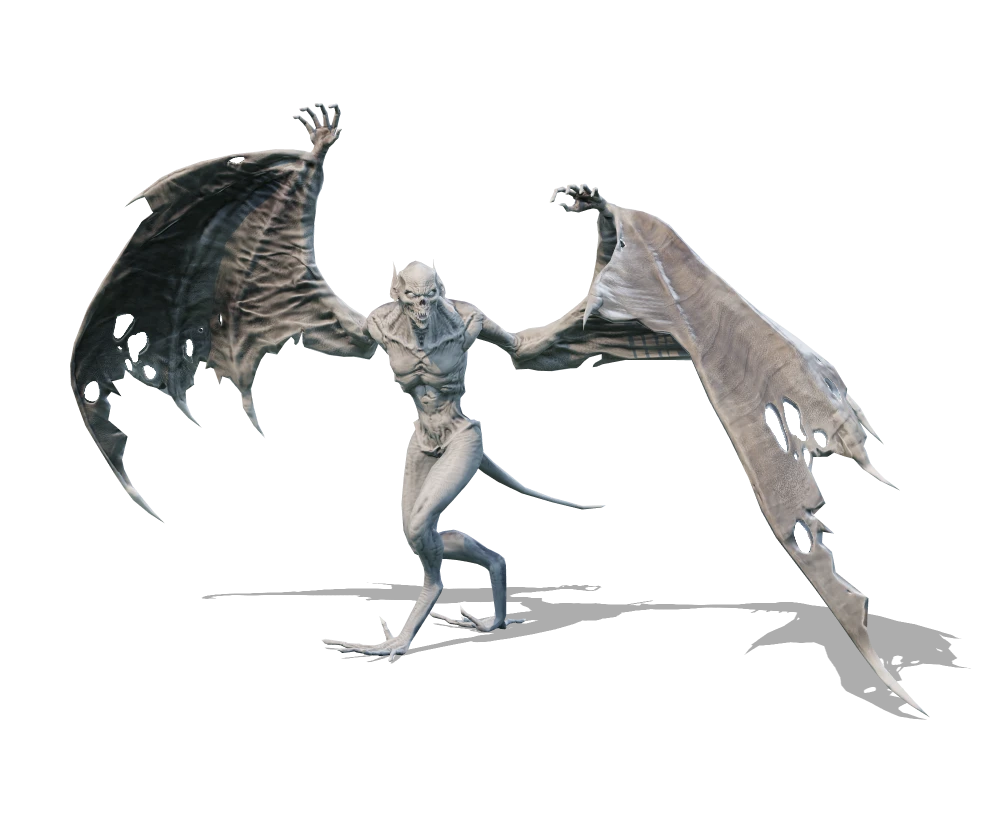
Demons, dragons, undead, orcs, giants, golems and elementals, spiders, witches: the monsters of the game have all been remade from scratch, each with its own body, weapons and moves. Here are some of them, on their own, with the level they have when you meet them.
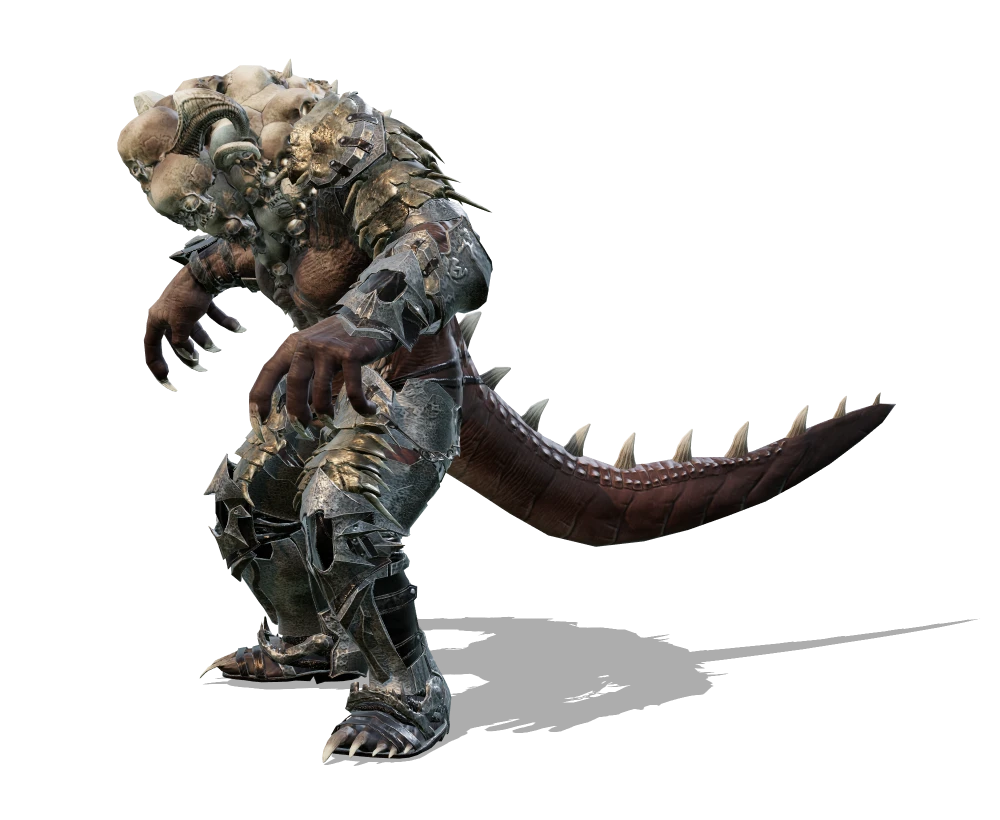
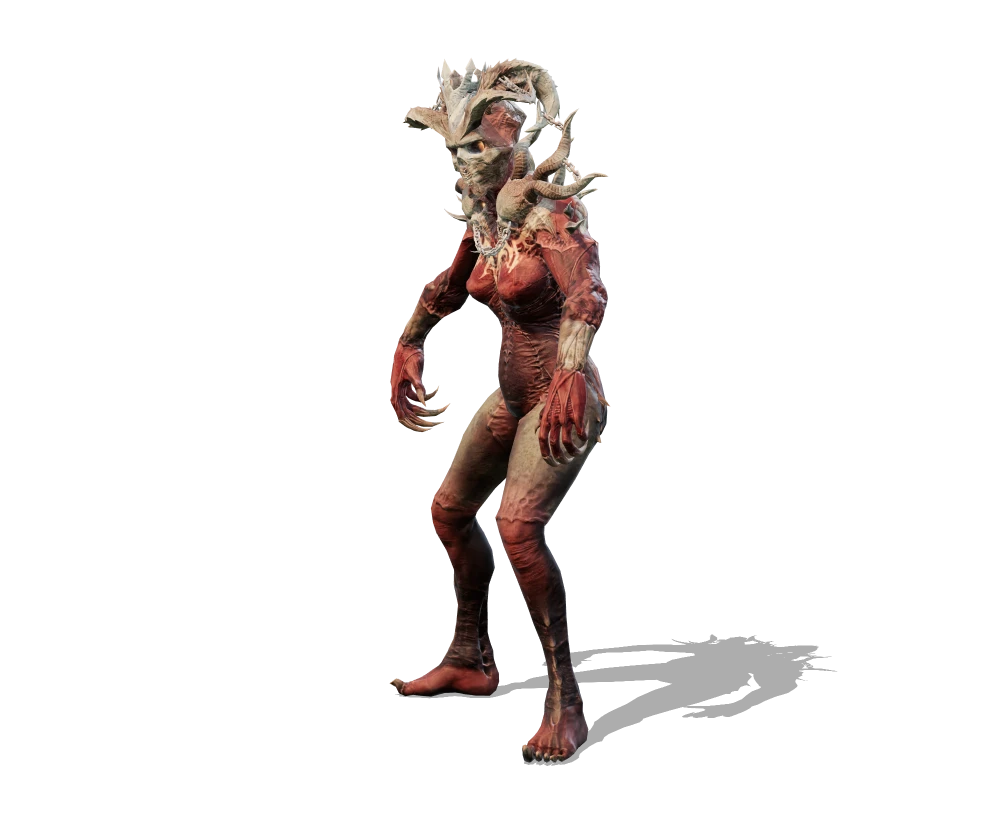
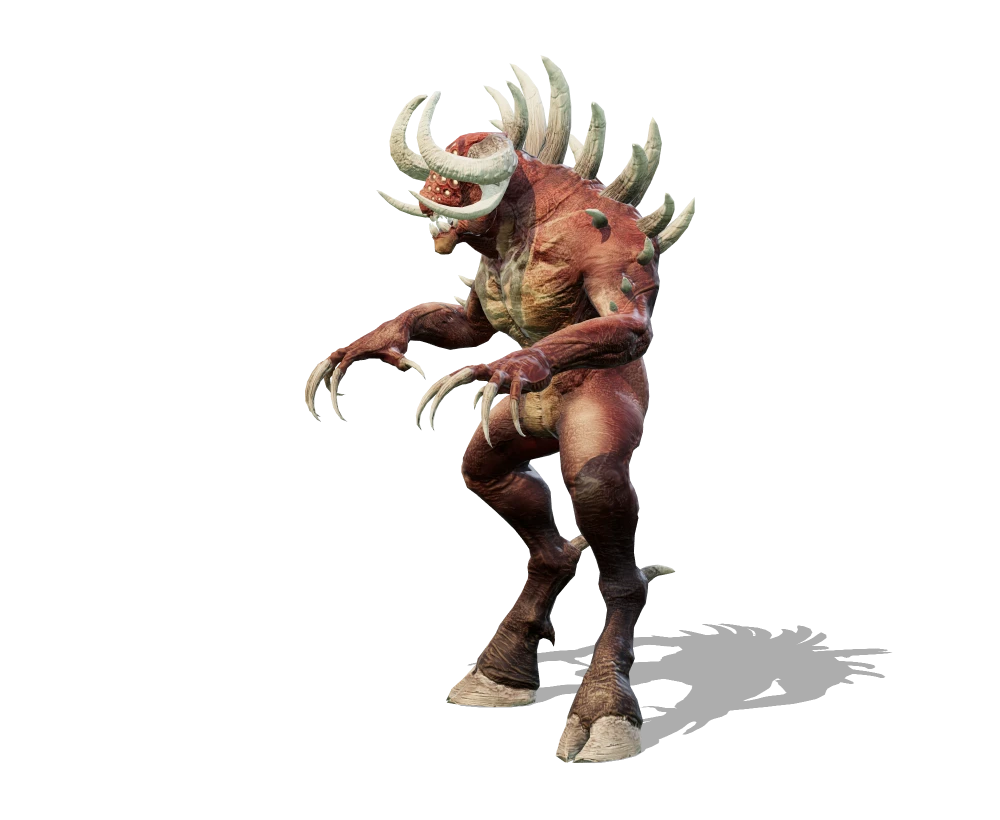
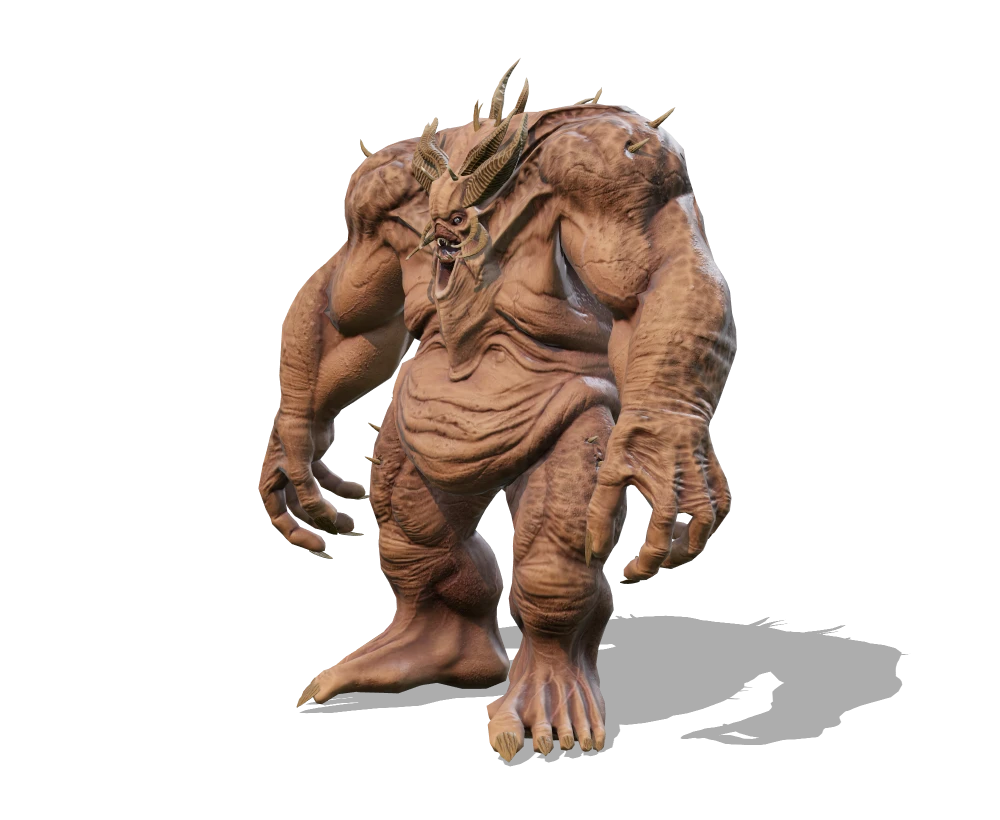
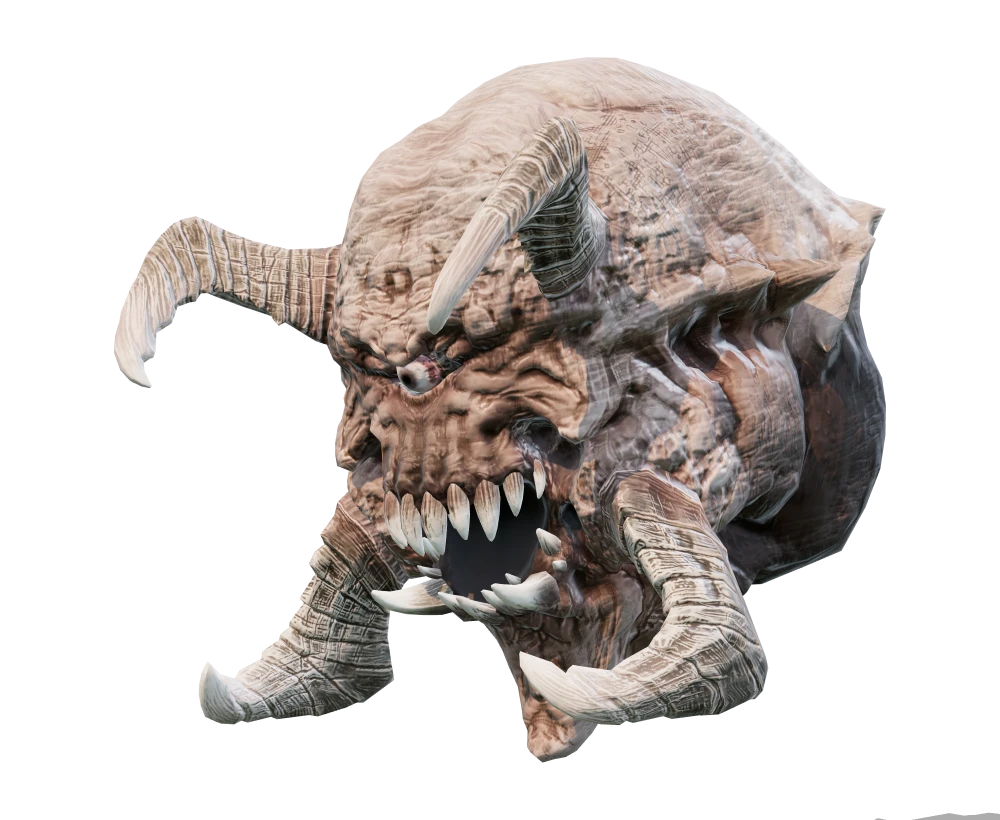
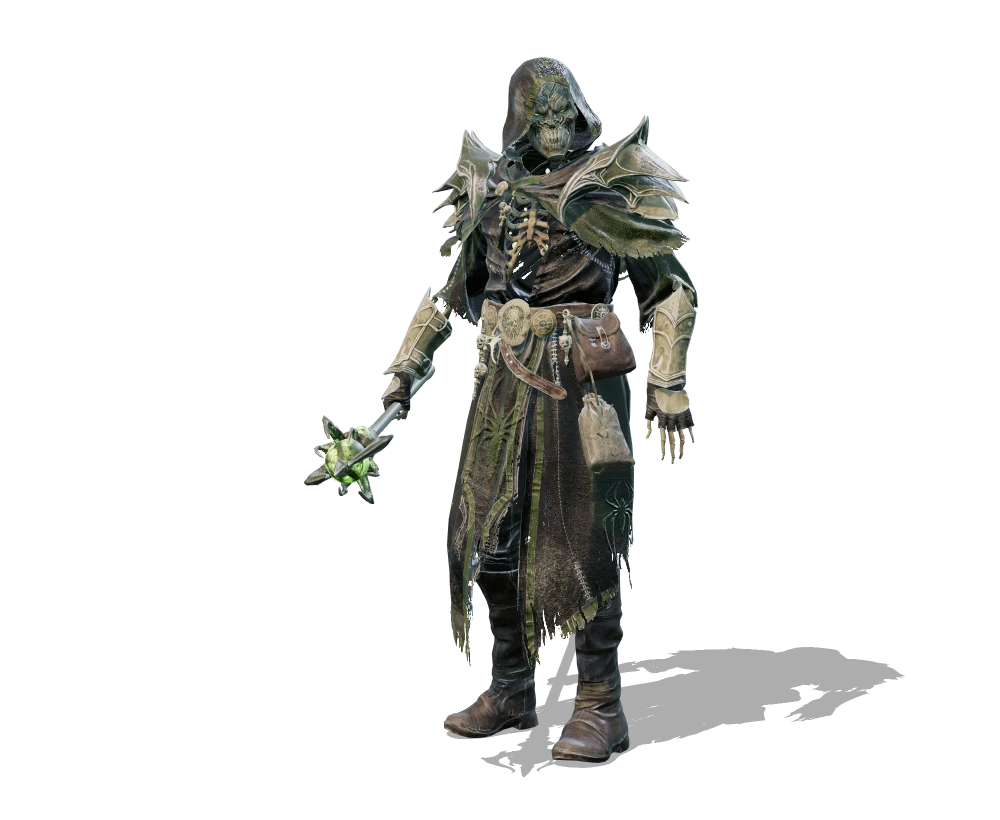
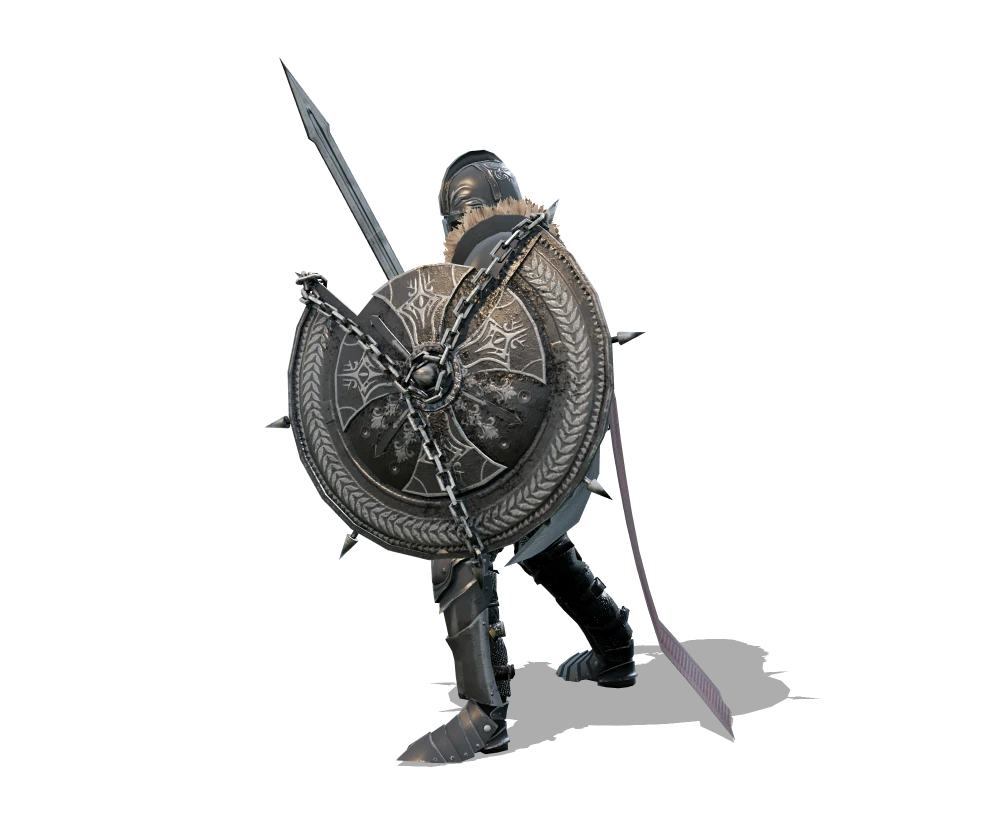
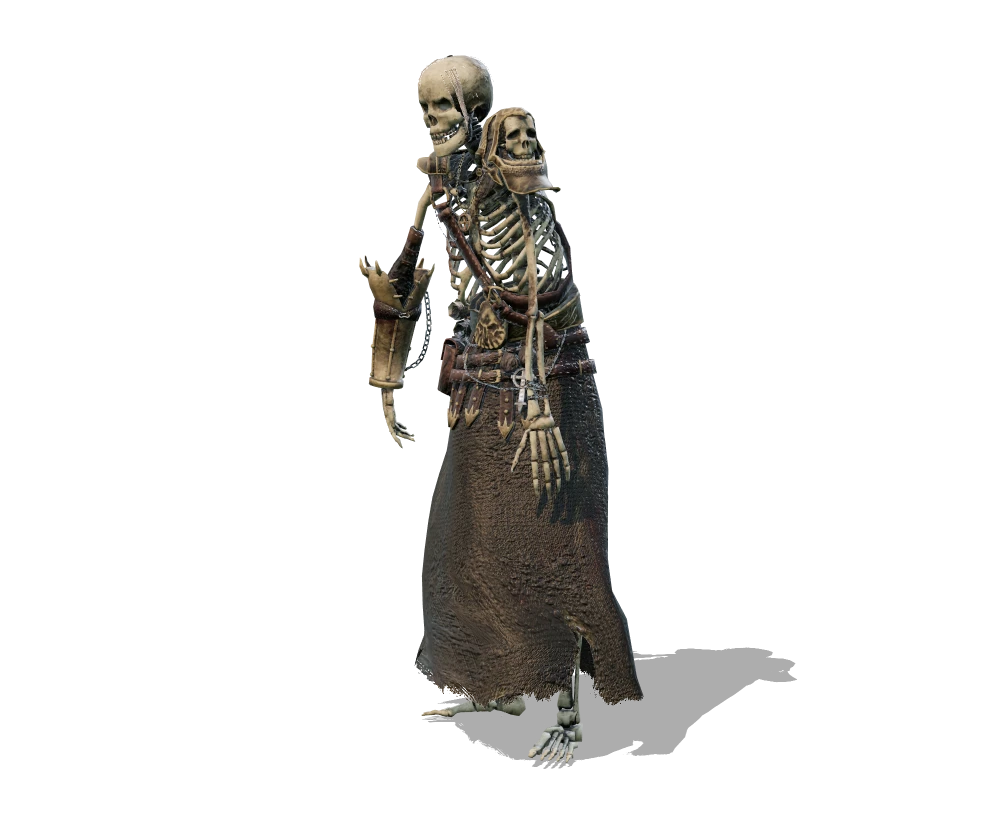
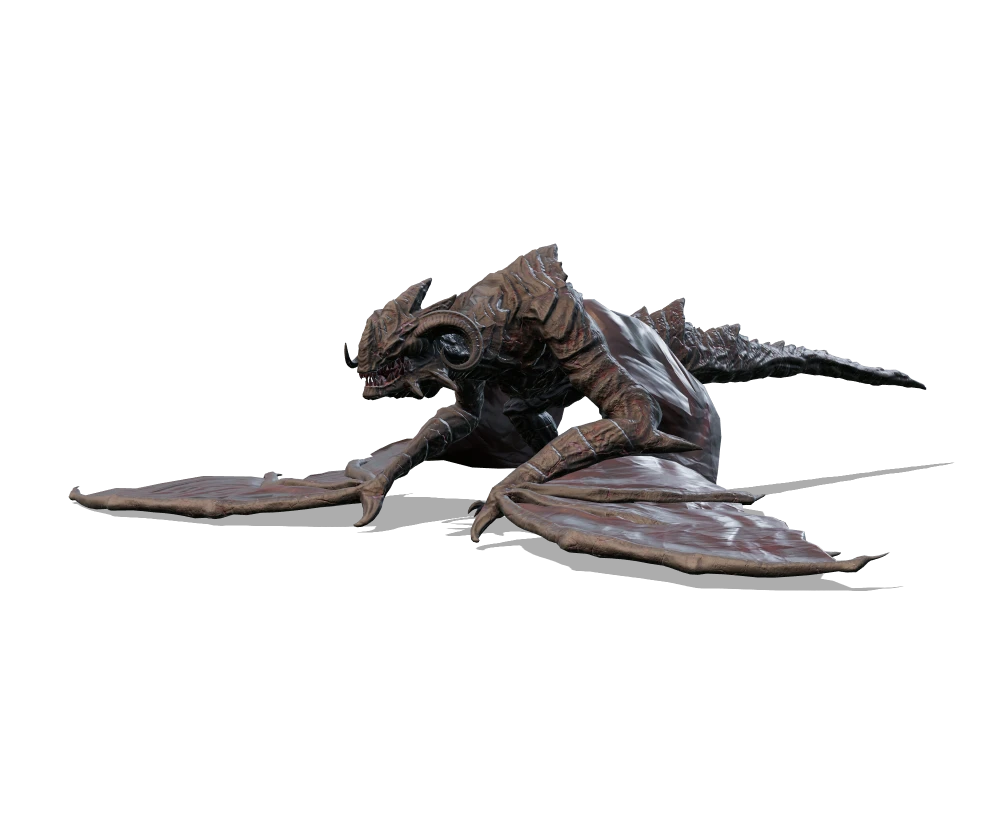
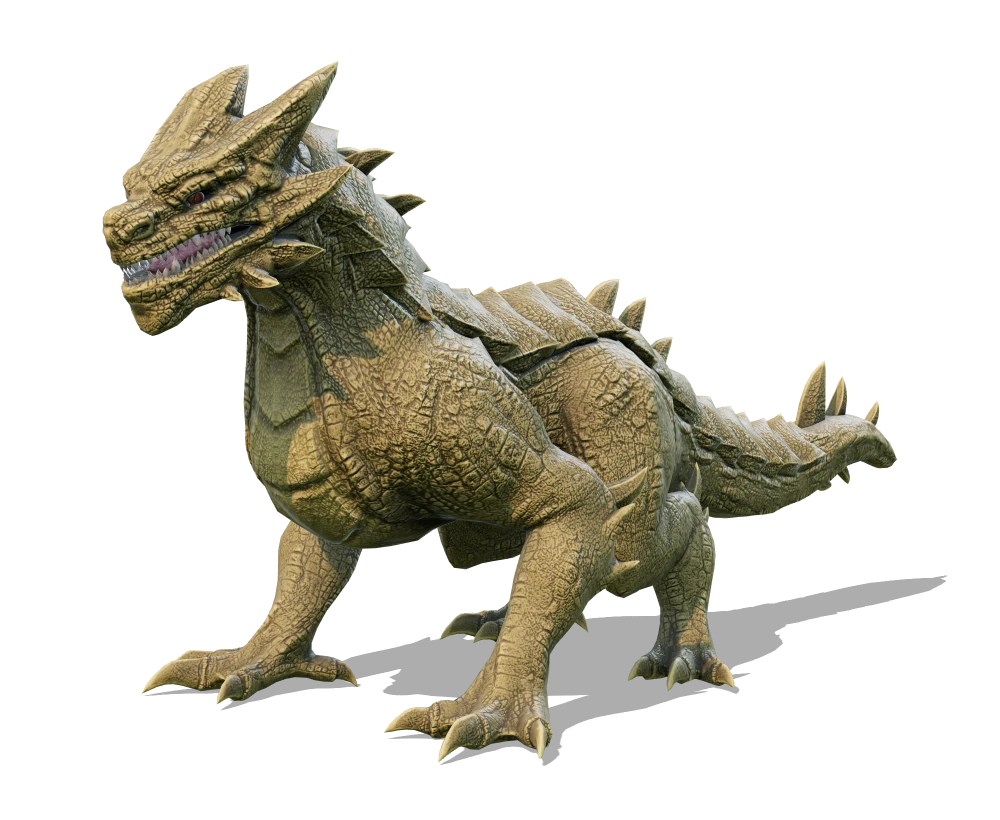
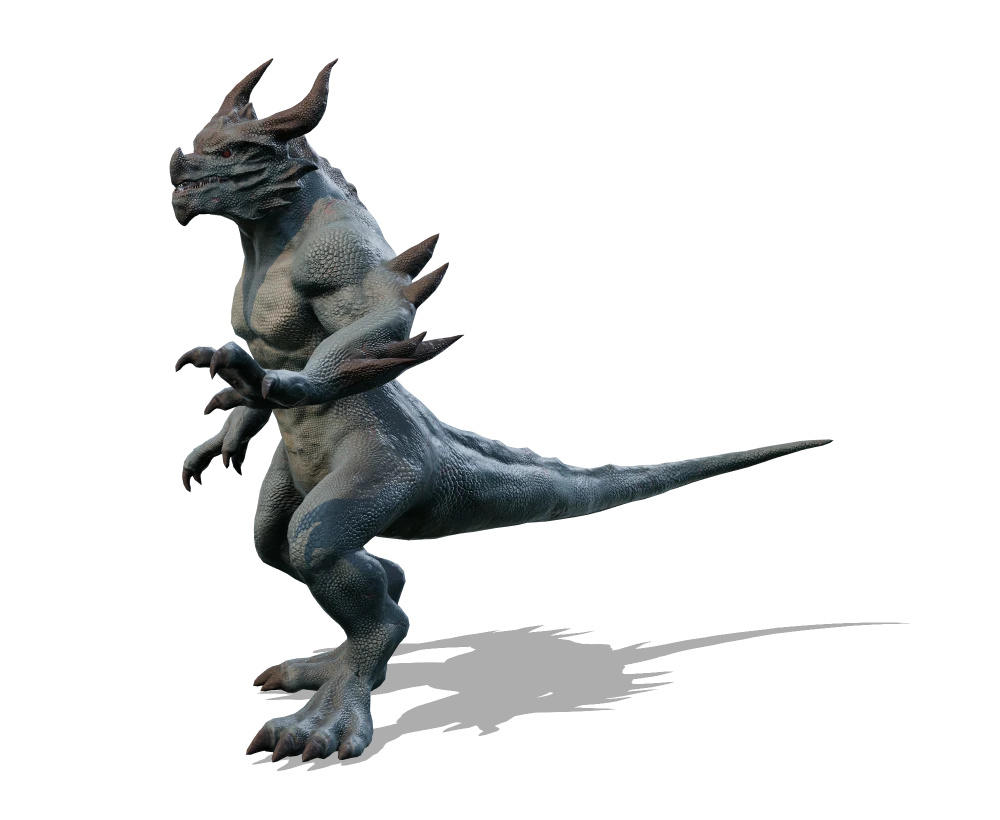
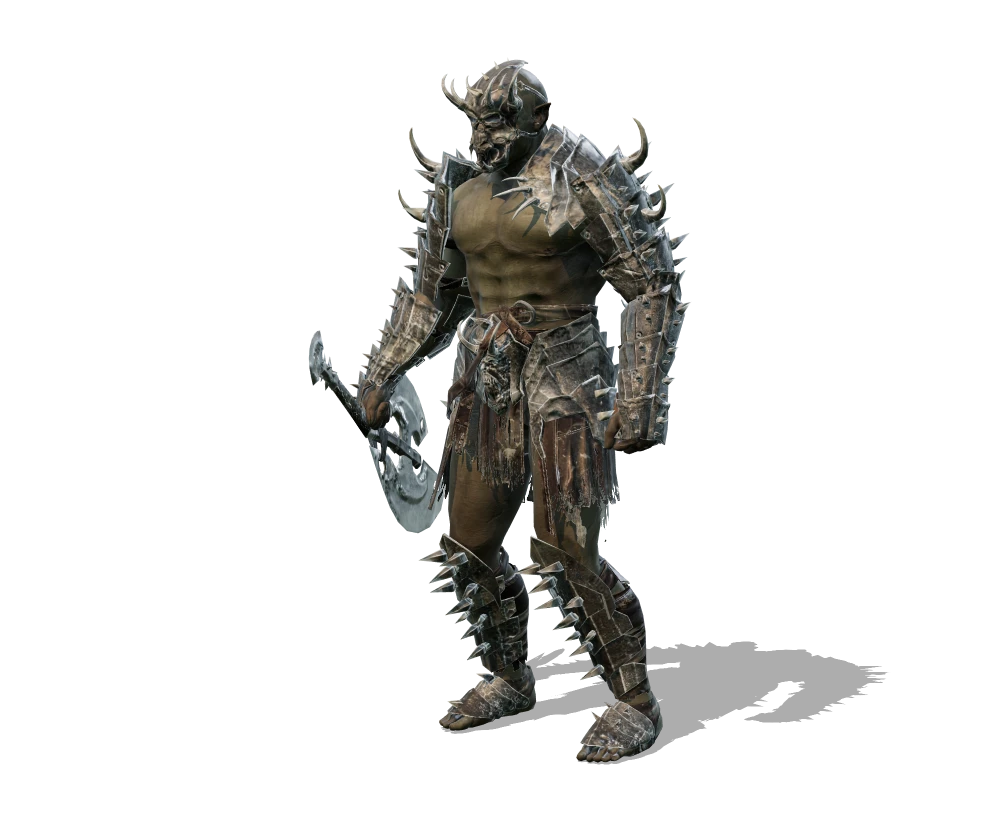
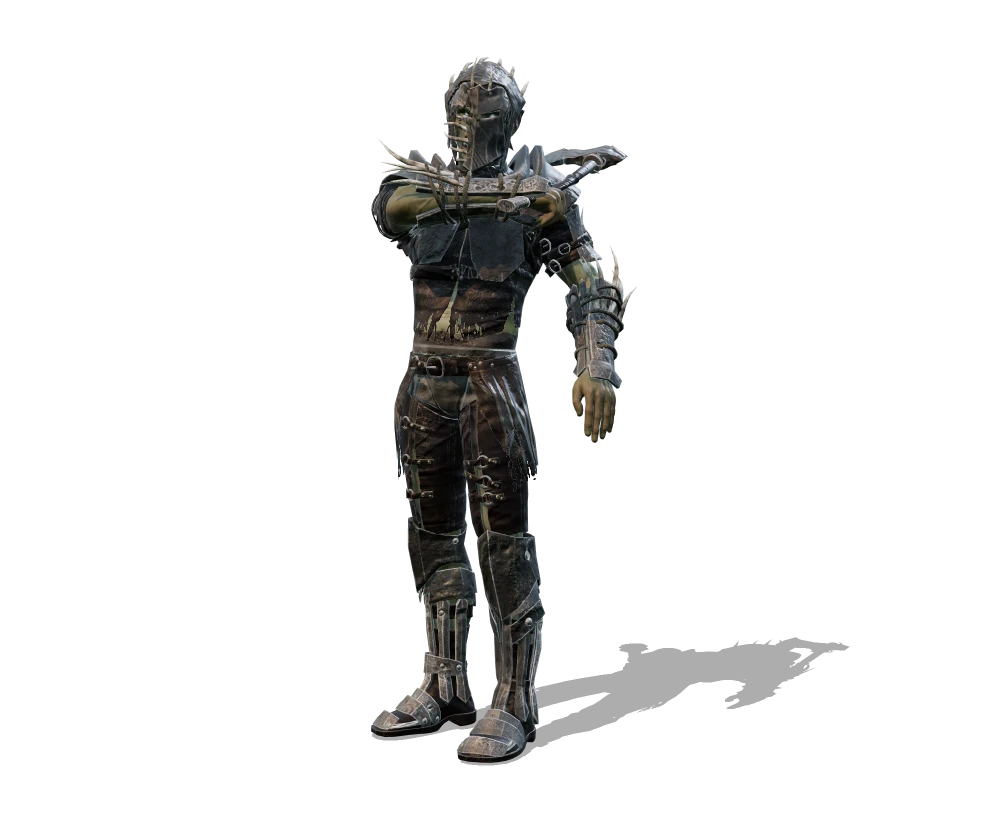
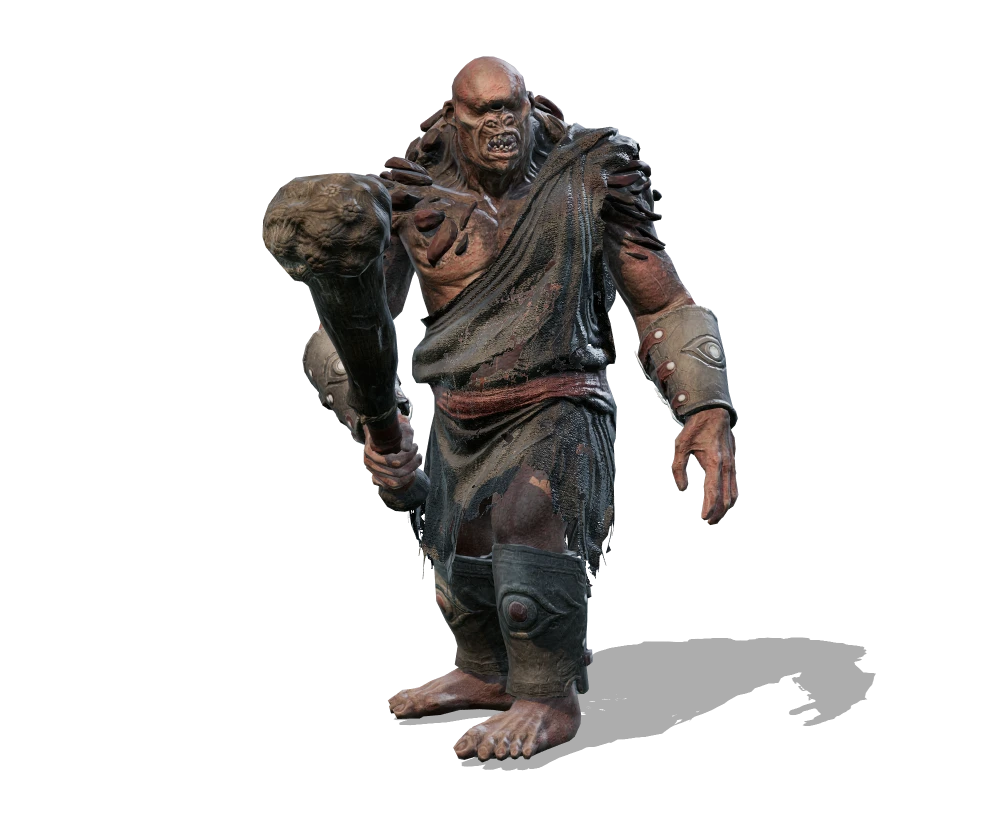
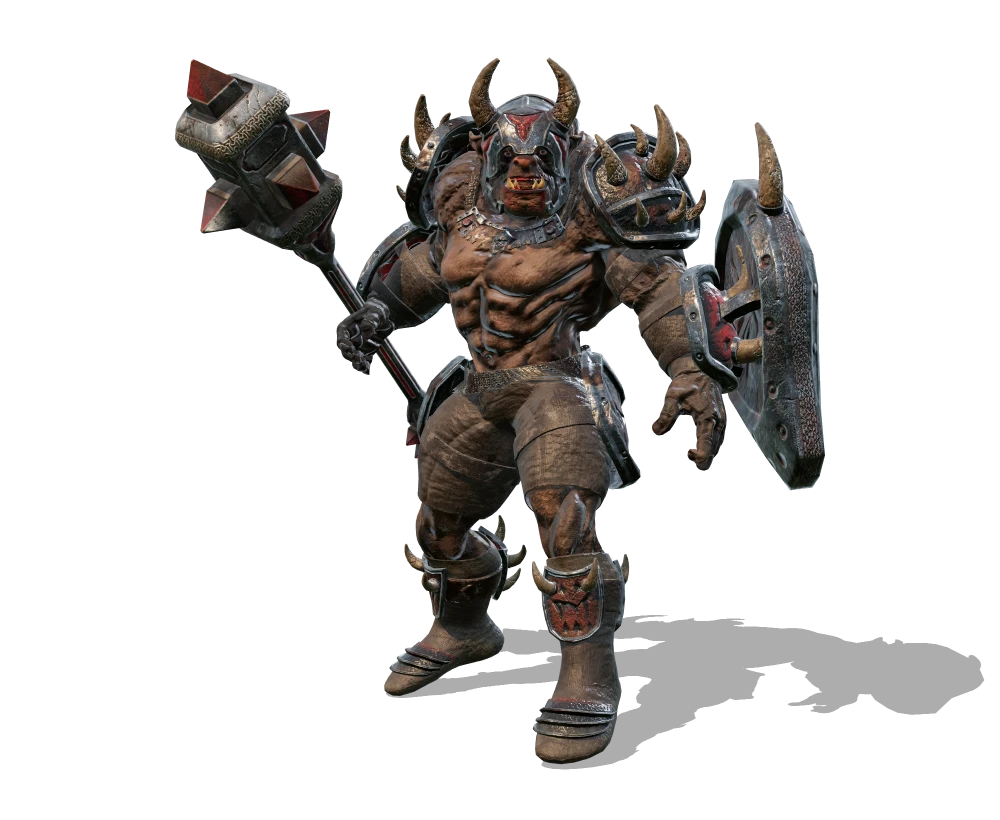
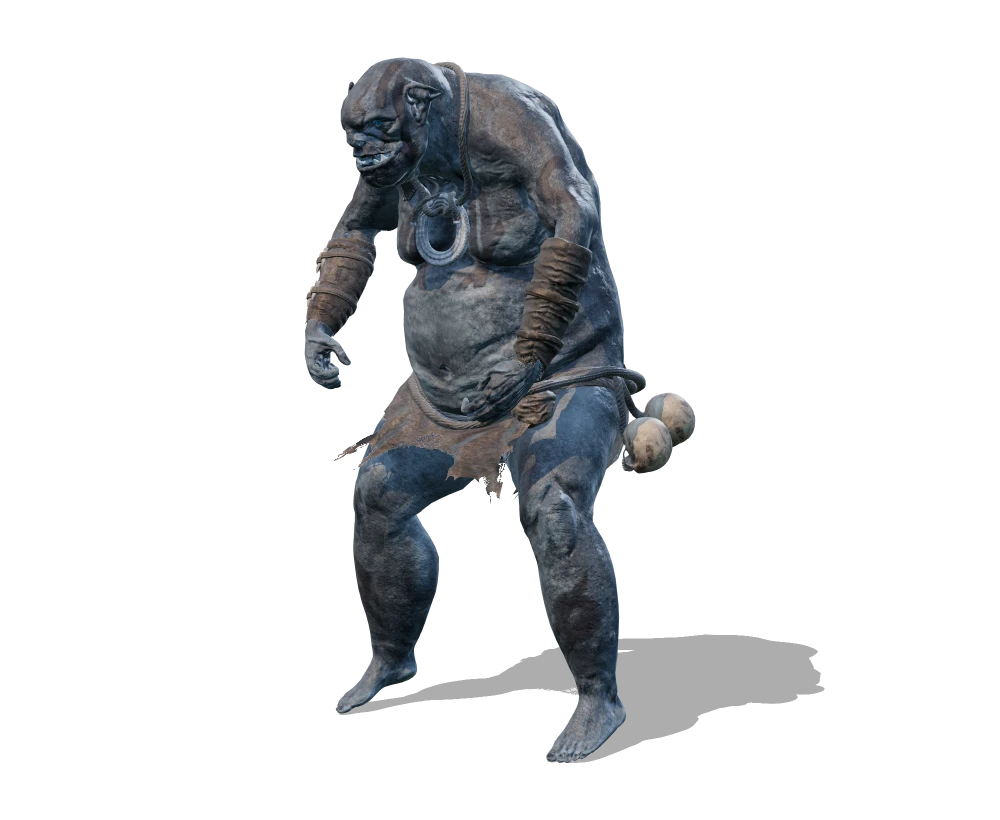
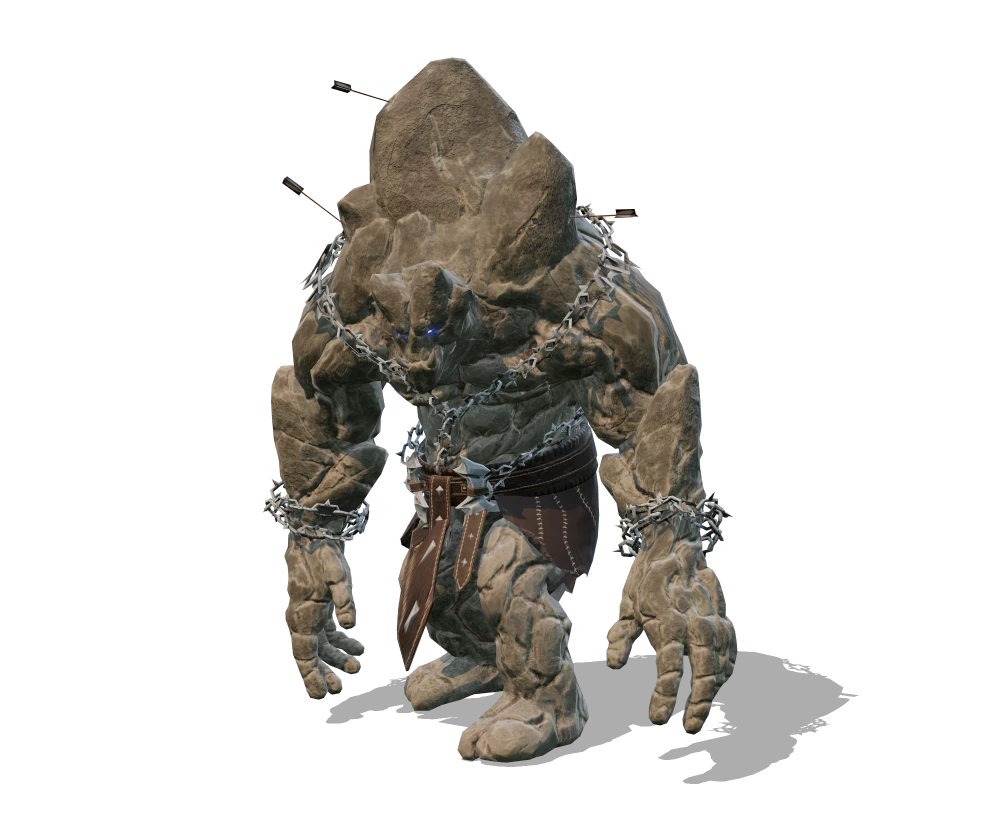
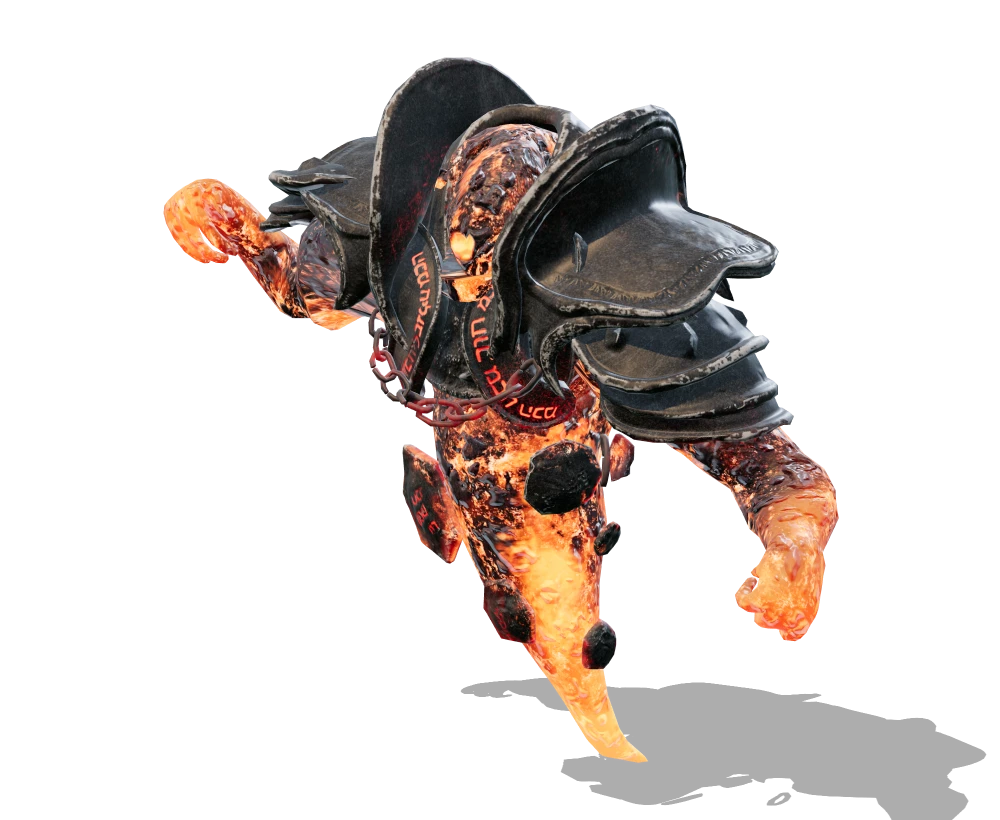
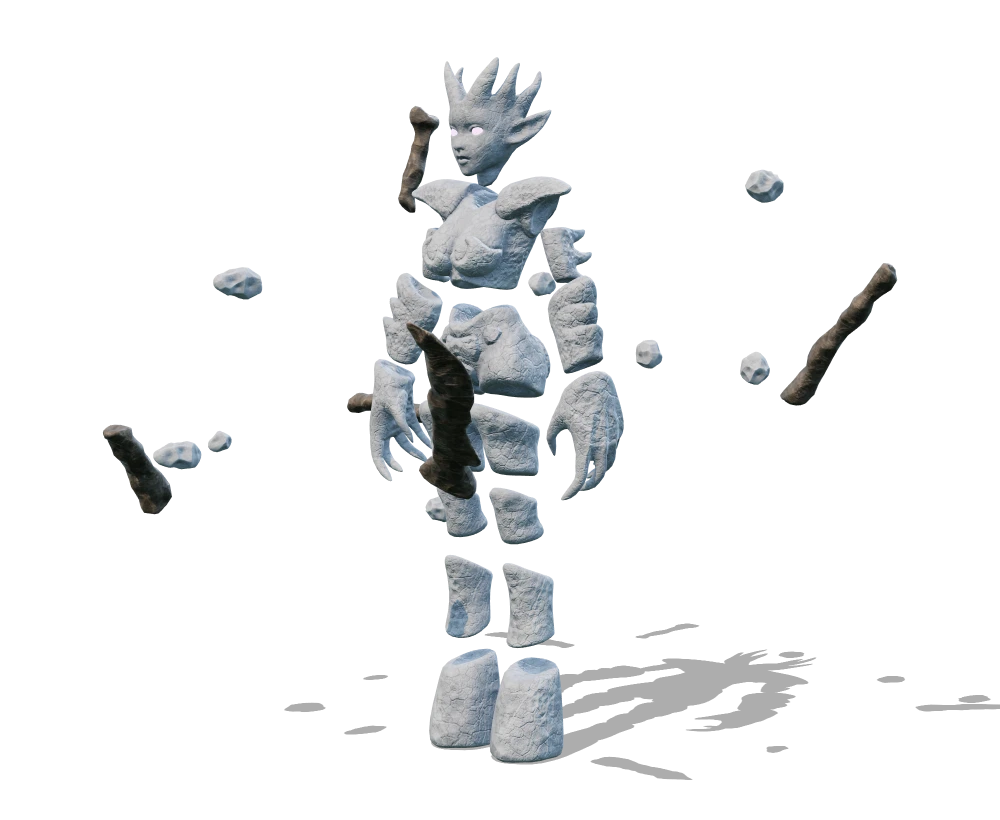
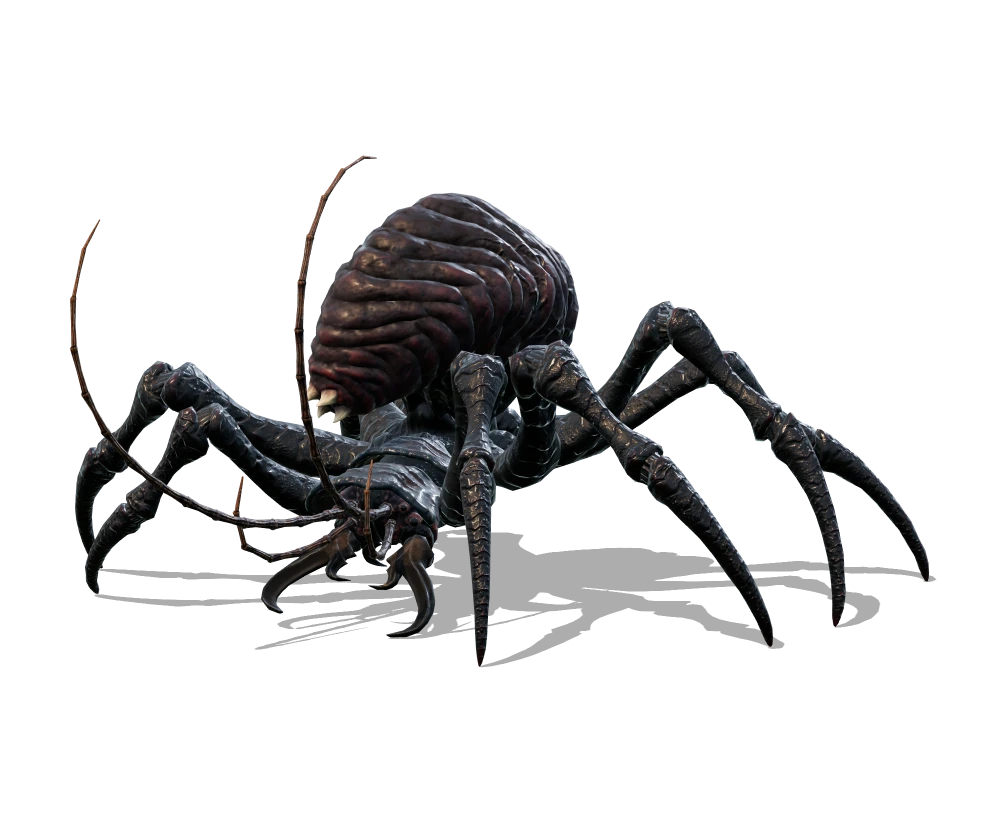
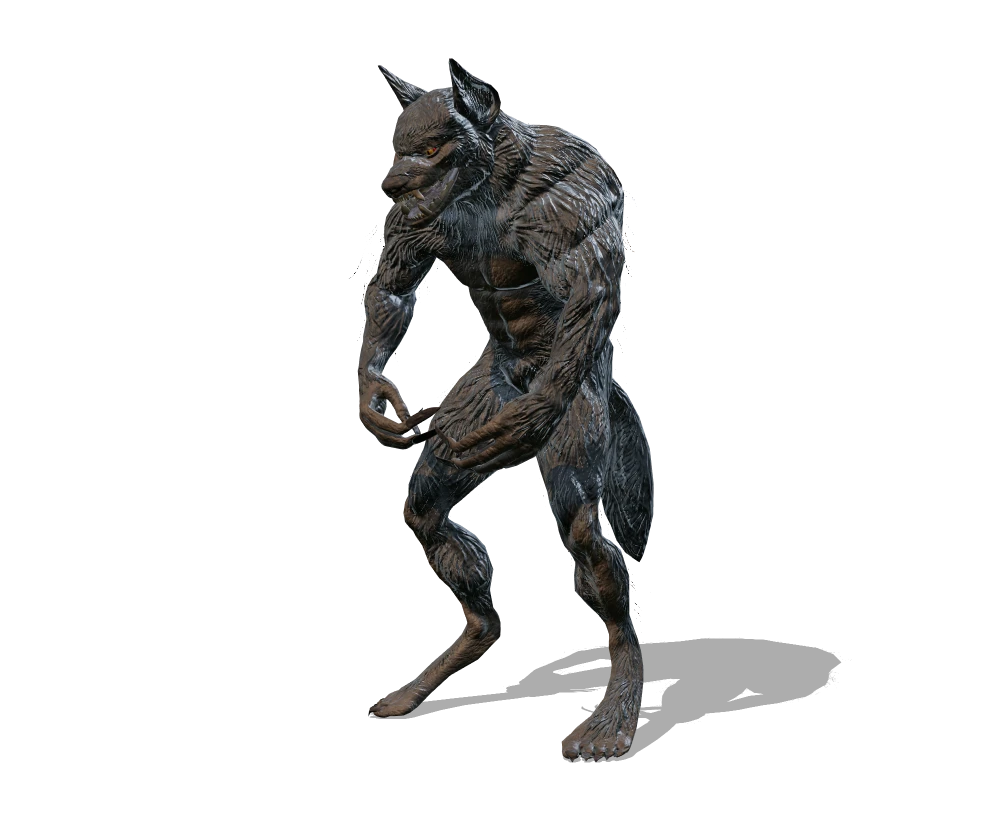
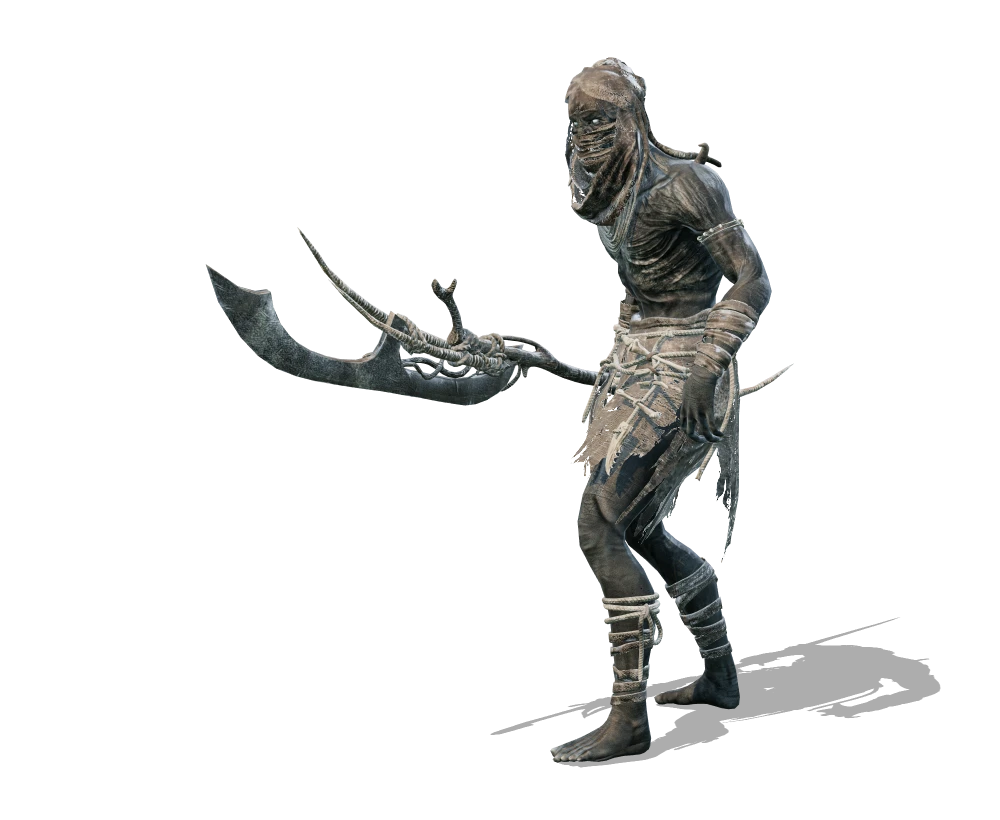
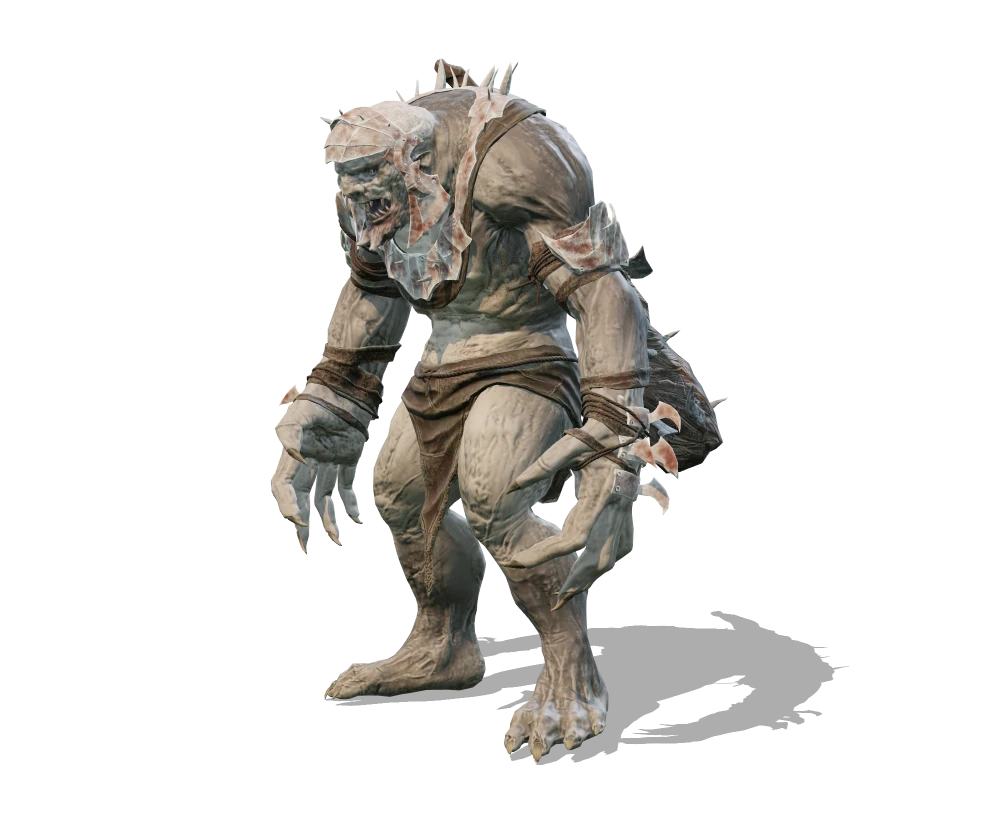
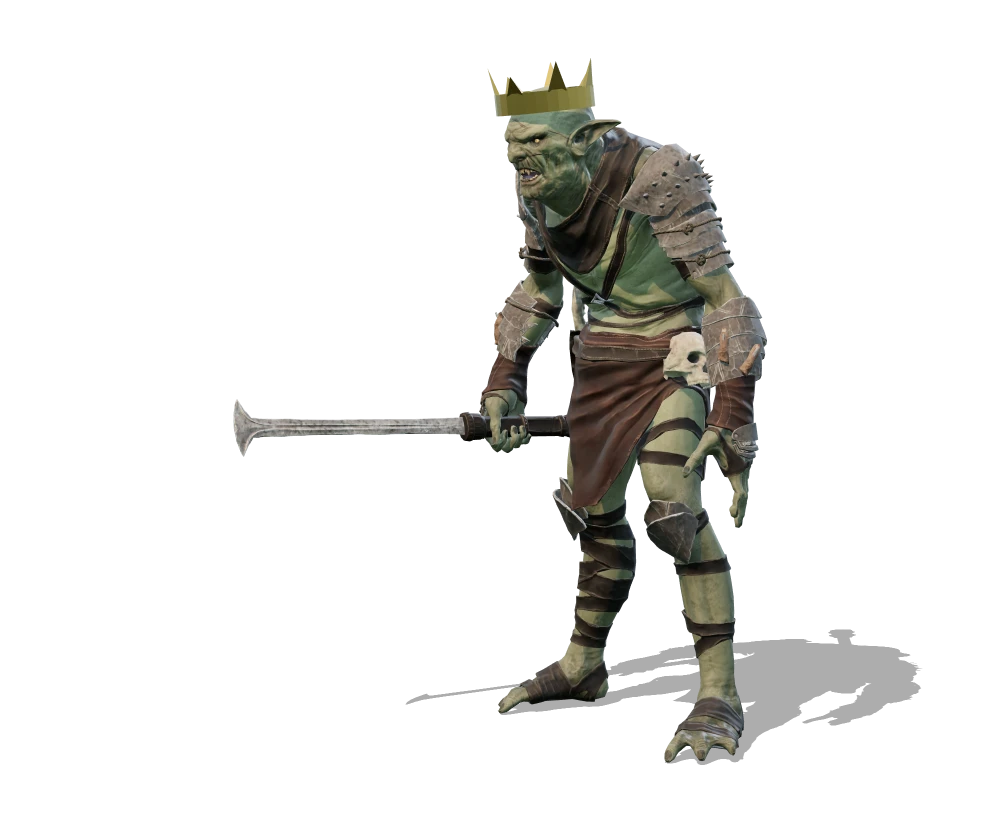
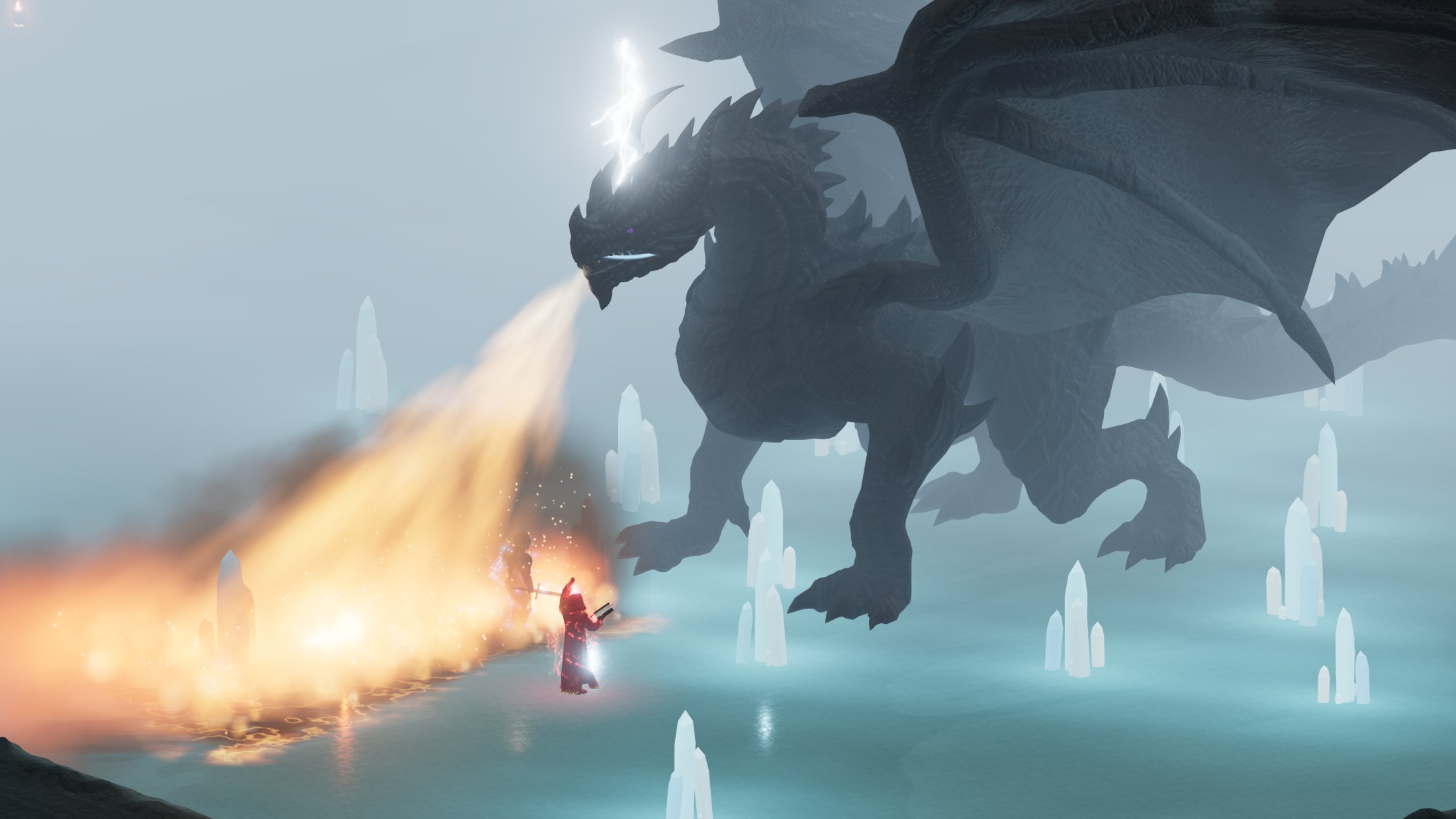
The Ancient Black Dragon.
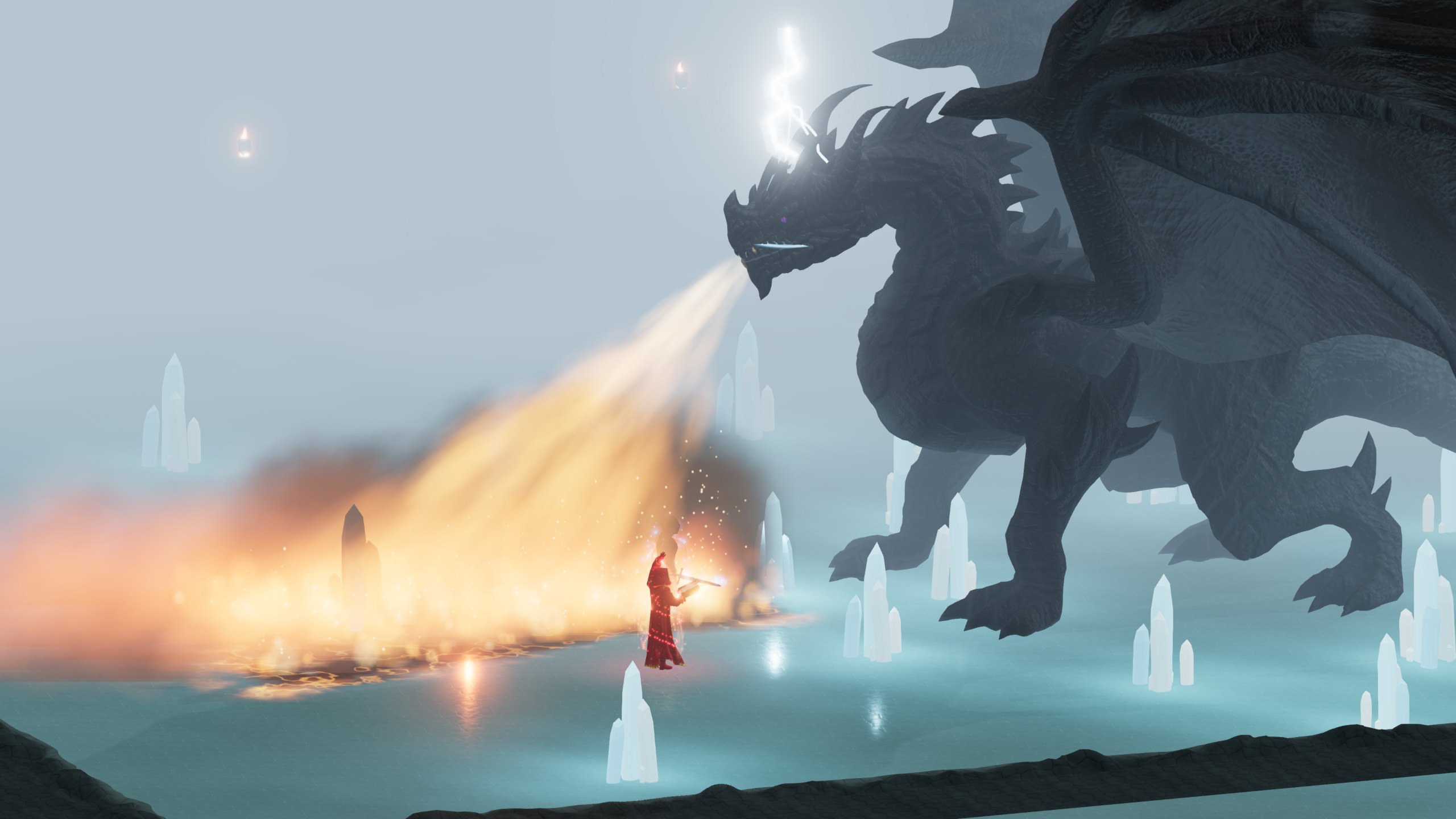
At the bottom of the Frost Kingdom, in Cenerombra, in the largest hall of all the dungeons, waits the largest dragon in the game. Level 300, like the other great bosses. The horns, the huge wings, the fire breath.
Its breath is twice that of the other dragons: a cone of fire twenty metres long and twelve wide at the end, hitting everyone inside it. And the fire stays on the ground: it spreads and for ten seconds burns whoever stands in it.
You do not face it alone. You face it in a group, shield raised and someone to heal.
The dragons' breath.
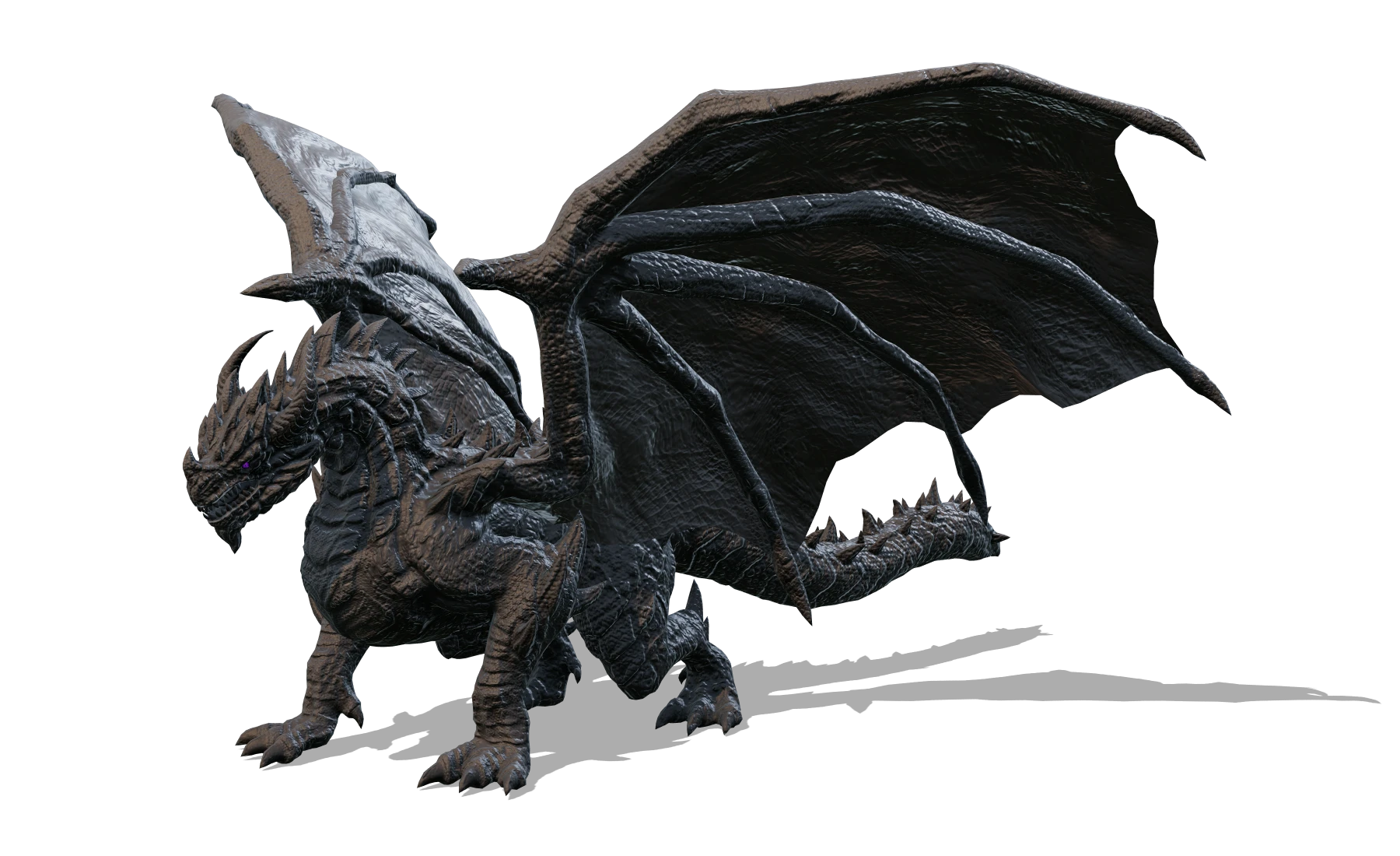
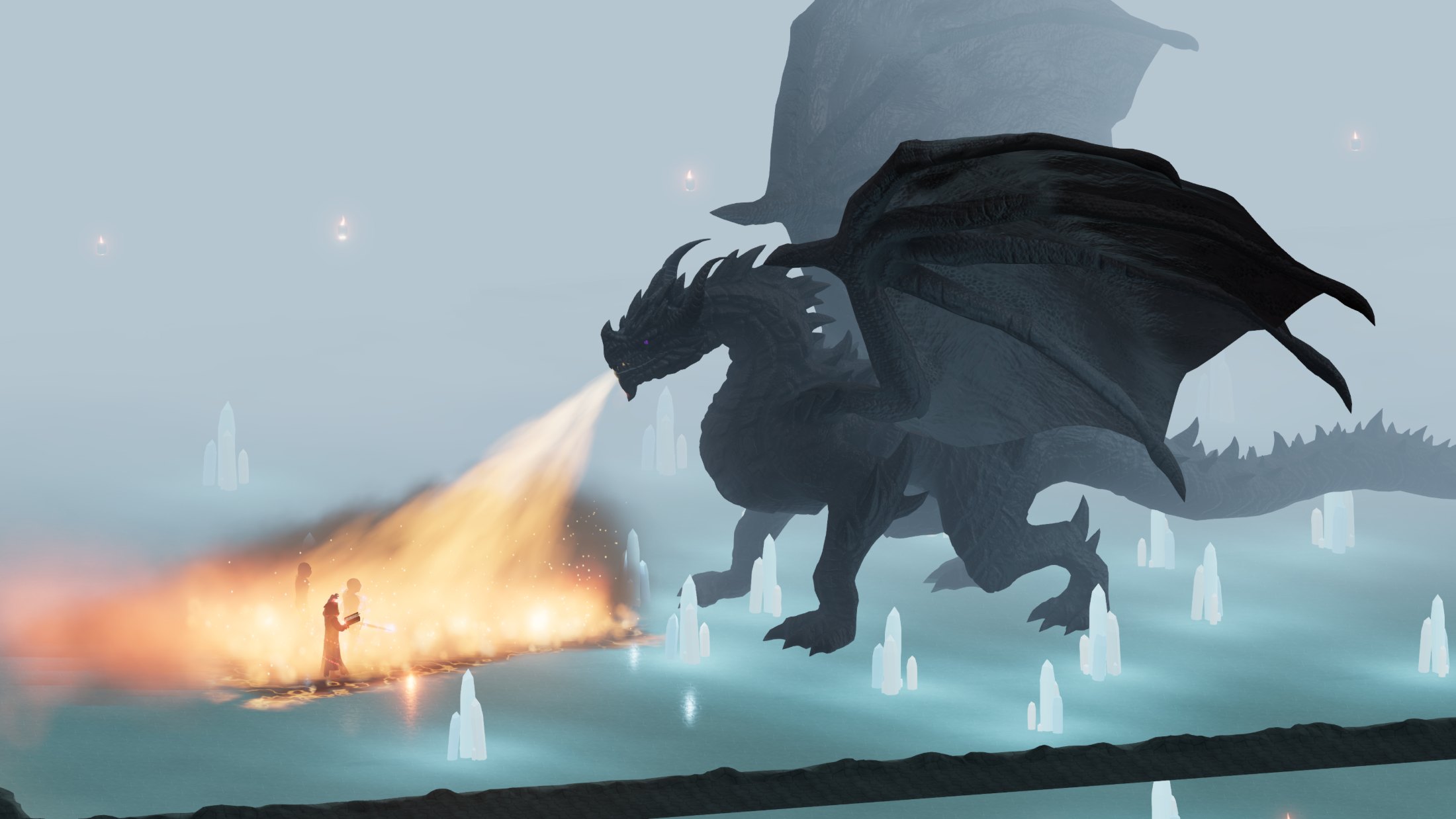
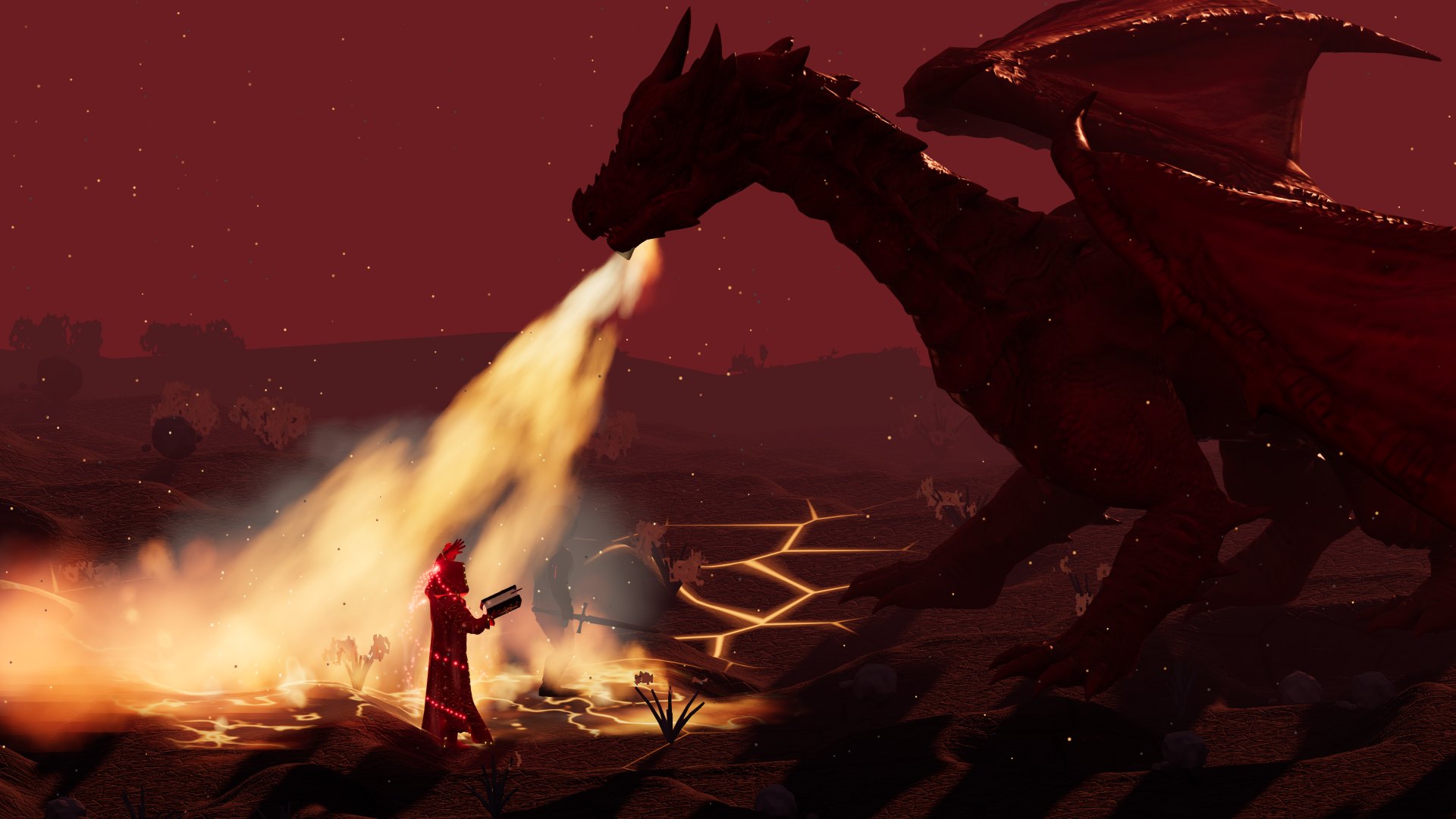
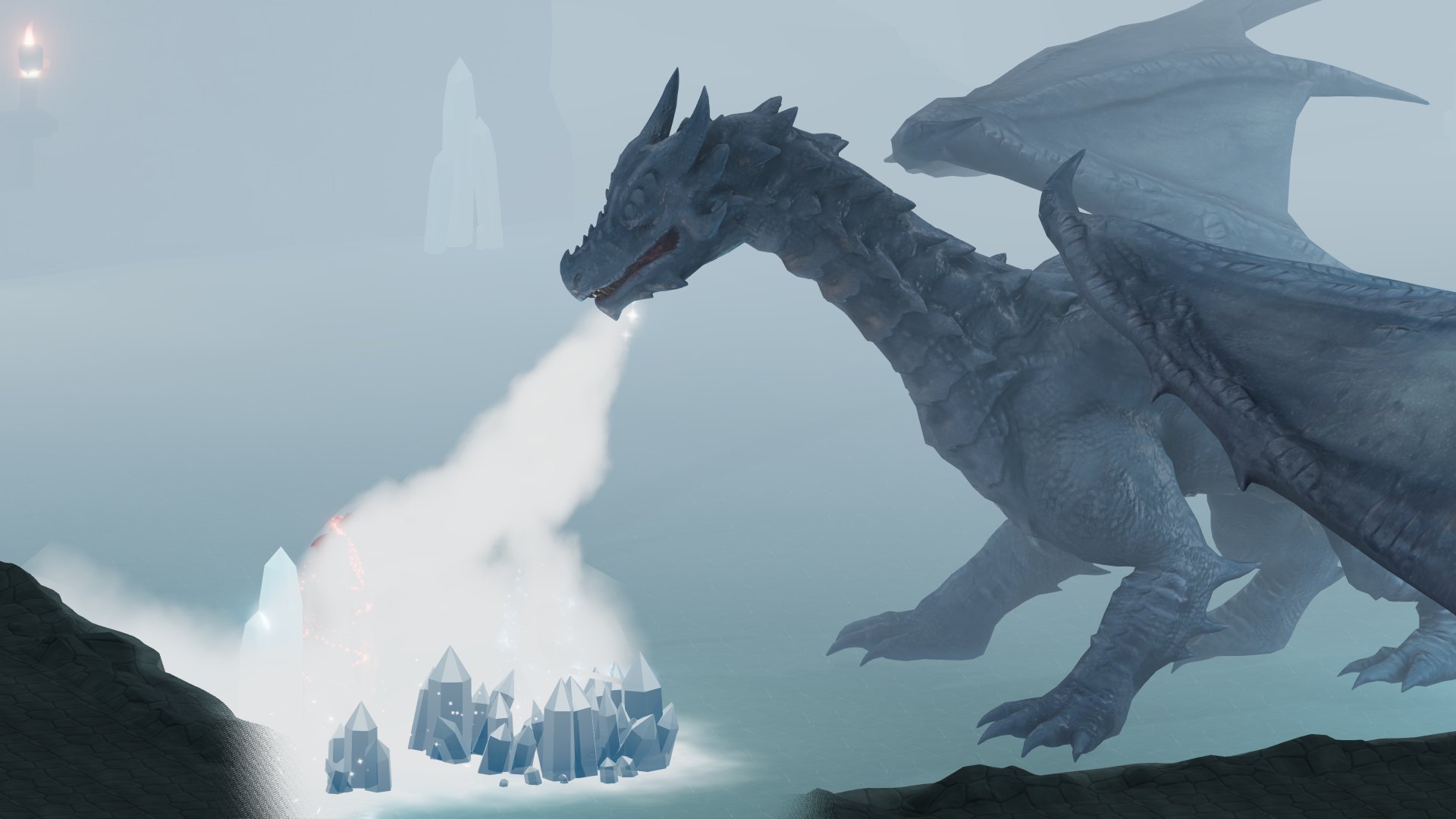
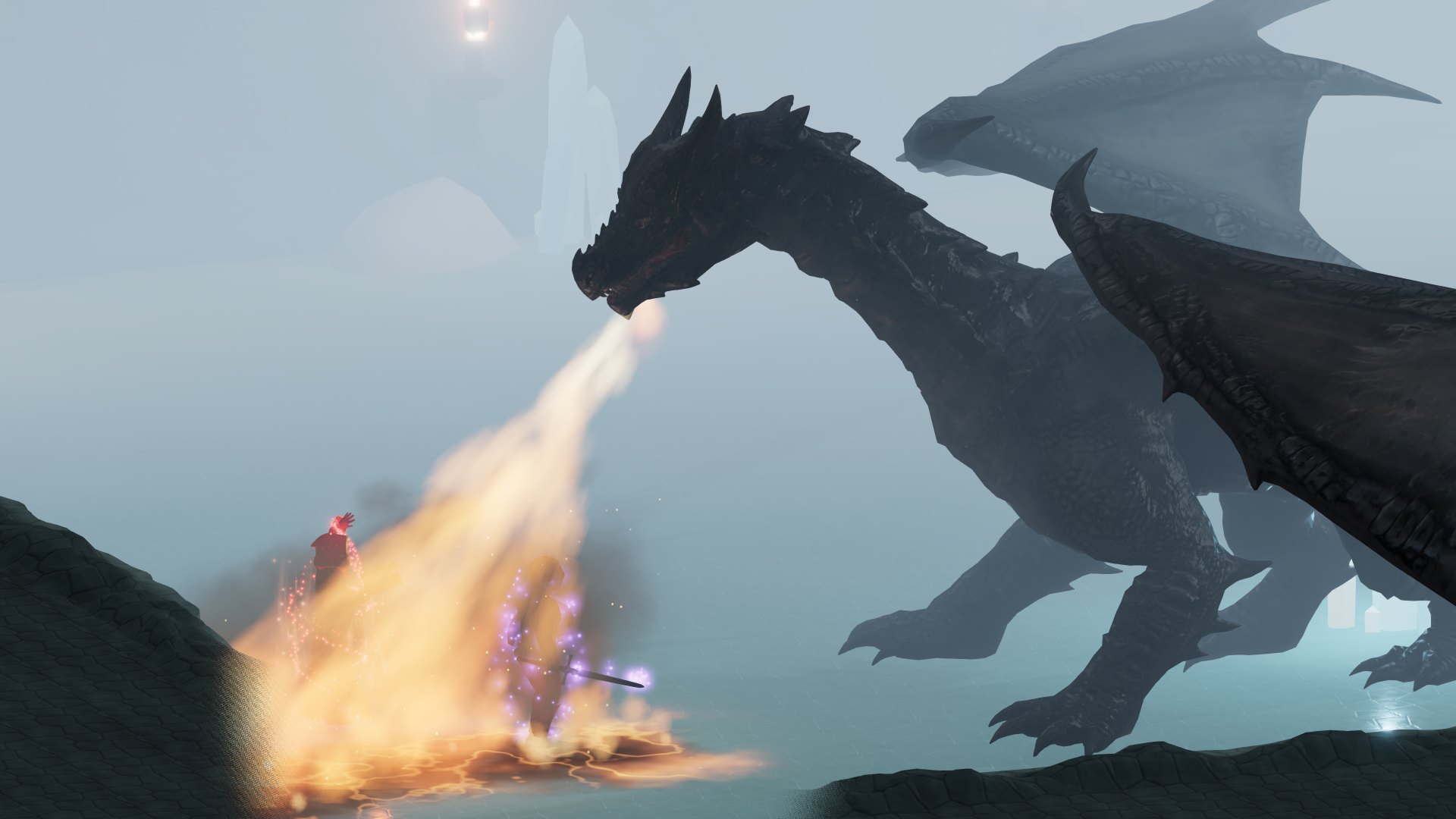
The red dragon, the black dragon and the ice dragon are level 250 monsters: they cannot be tamed or ridden, they are fought. Each dragon has its own breath: fire for the red dragon and the black dragon, frost for the ice dragon. It is a ten-metre cone aimed within fifteen that comes back every twenty seconds; frost also slows whoever it hits for three seconds. And the breath stays on the ground for ten seconds: fire burns whoever stands in it, frost hurts less but slows, and ice crystals sprout from the ground. Whoever turns into a dragon with the eighth circle breathes too: theirs is the black dragon's breath.
Beasts and mounts.
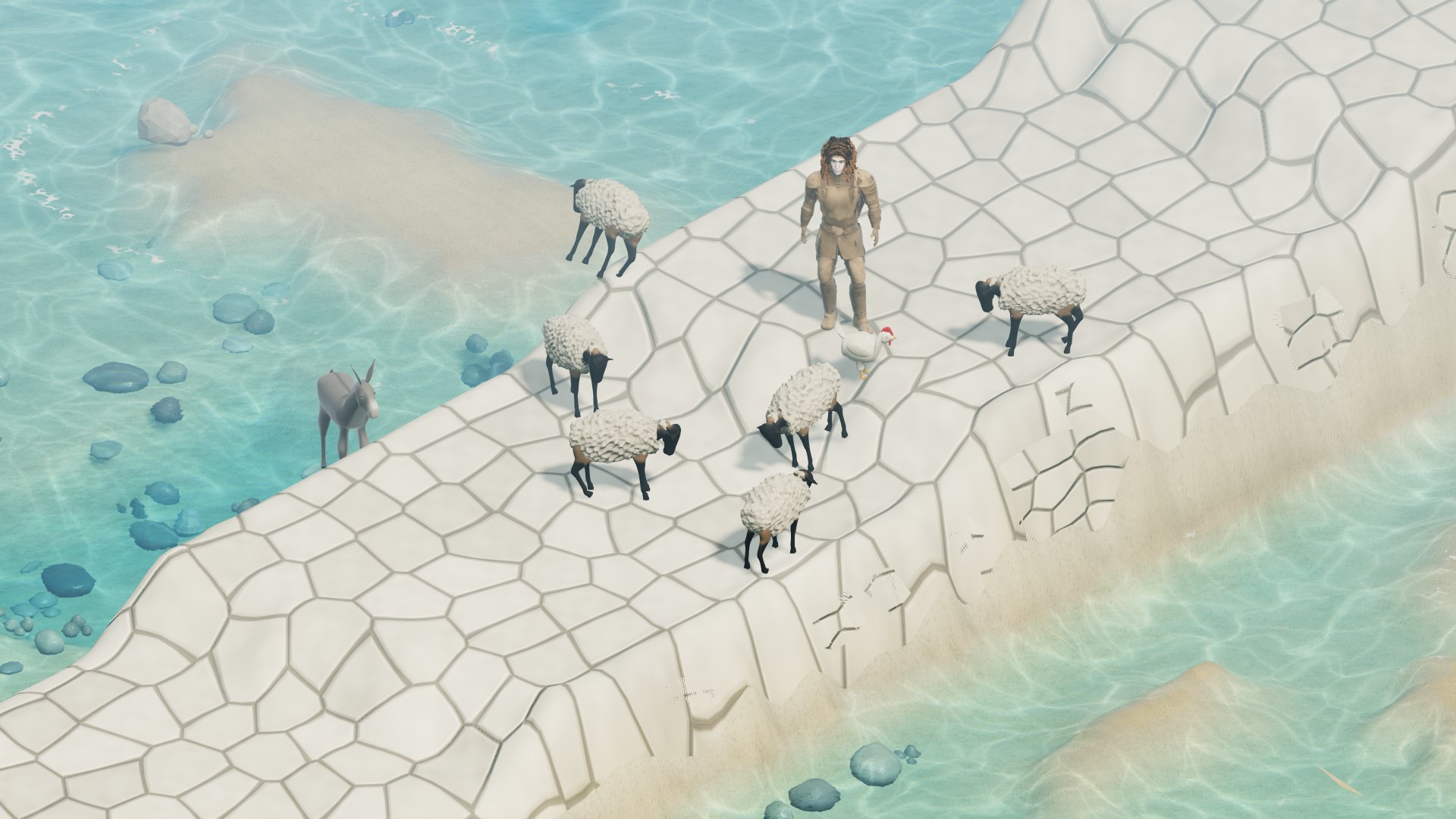
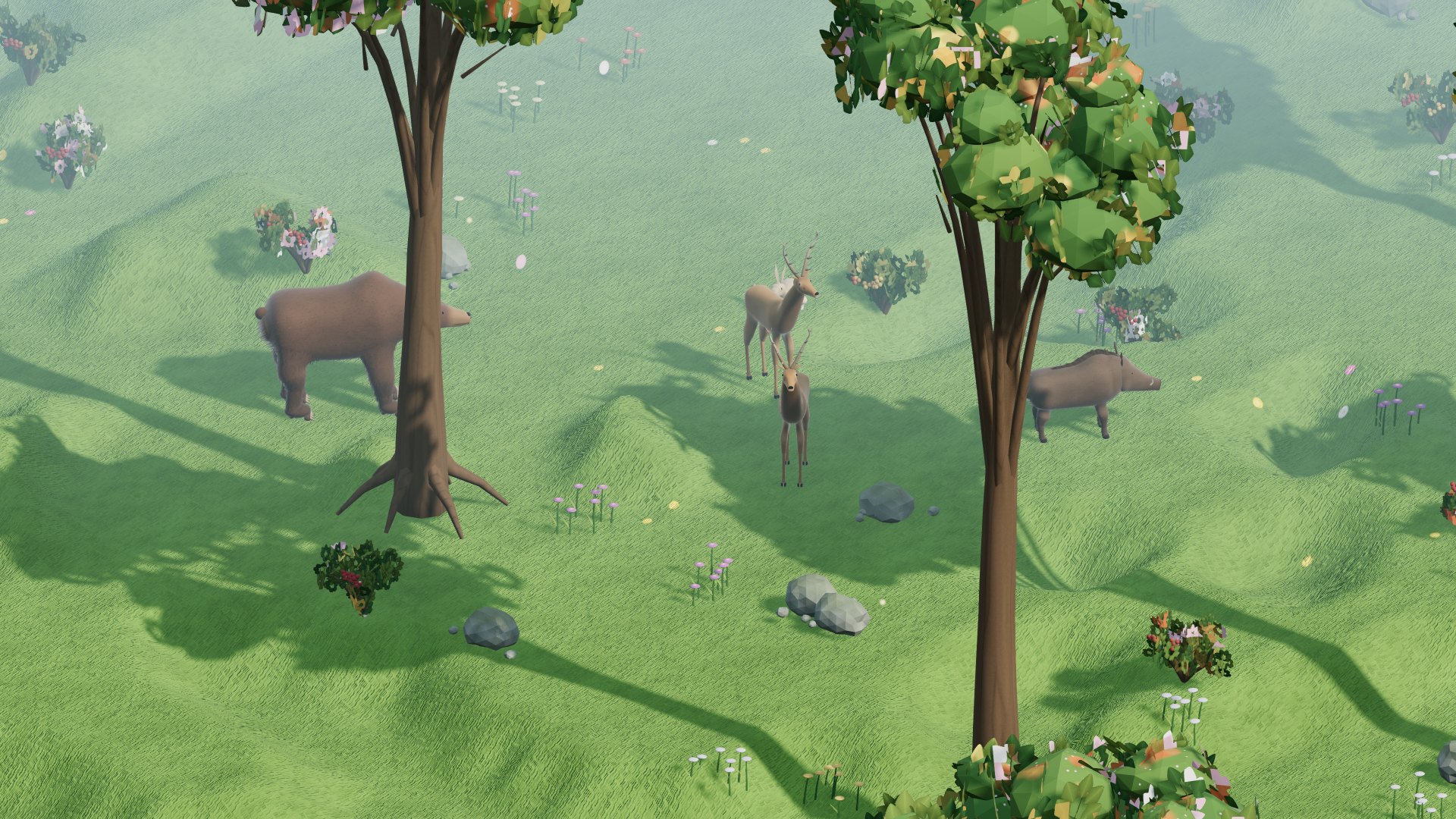
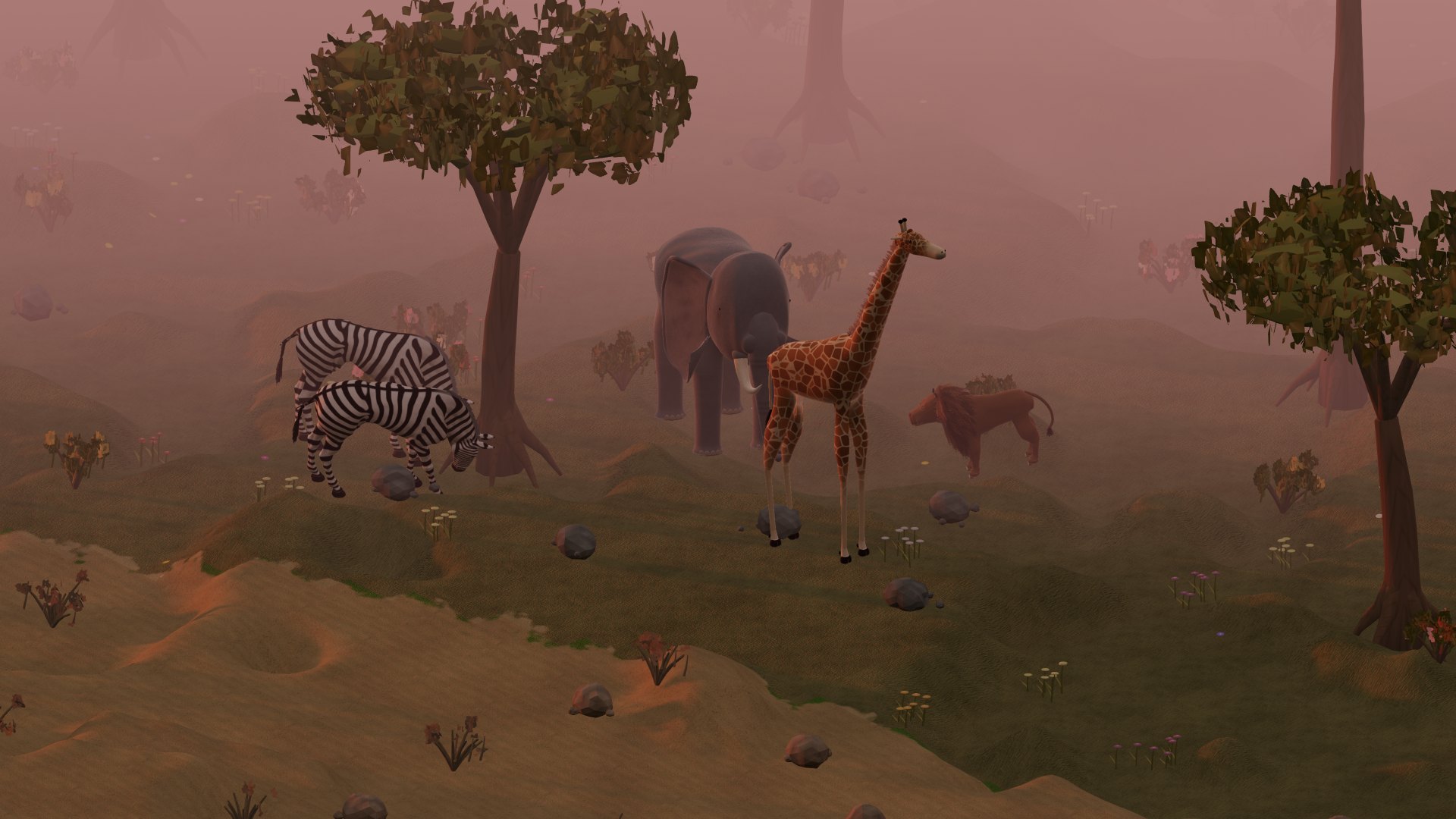
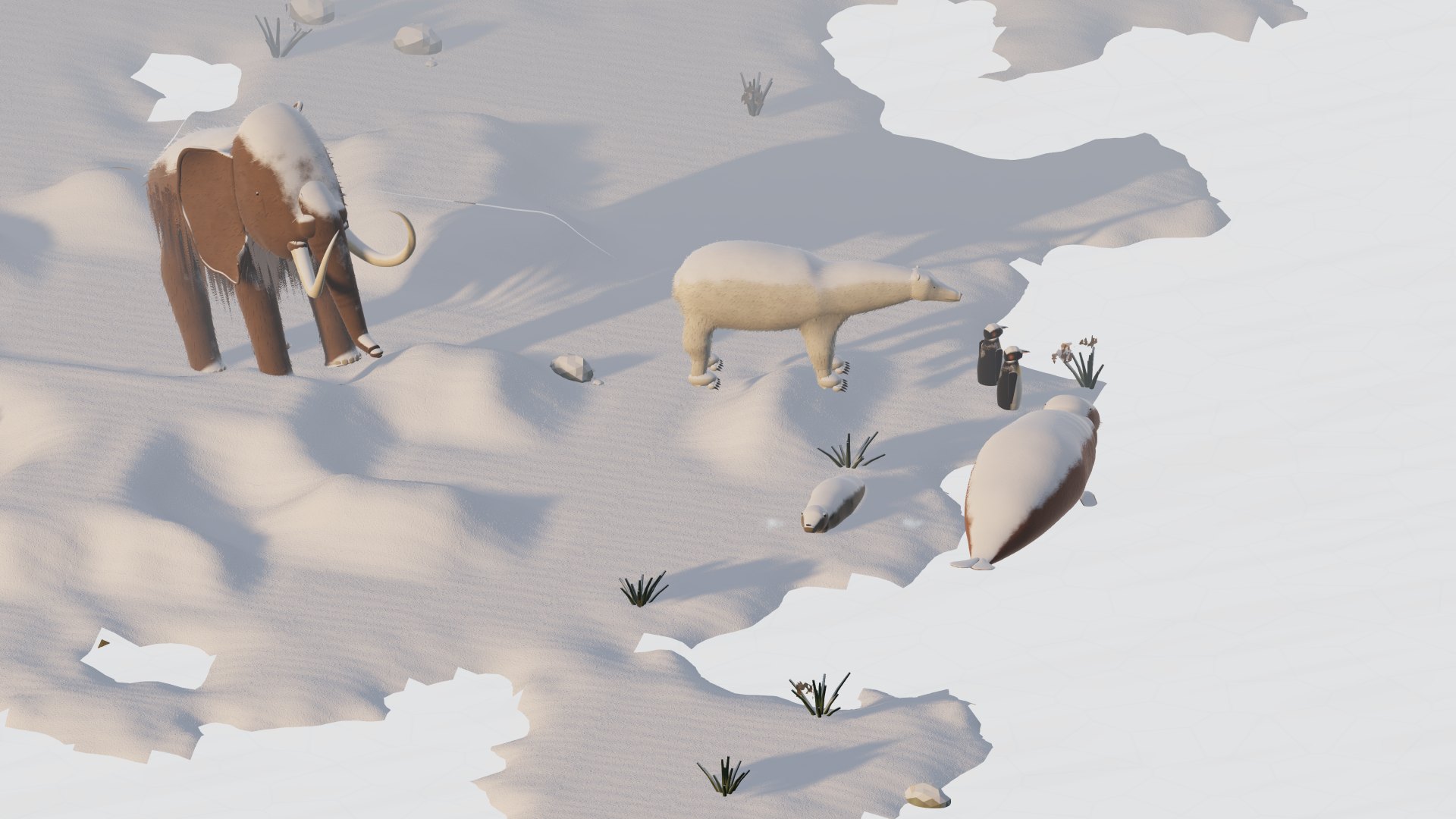
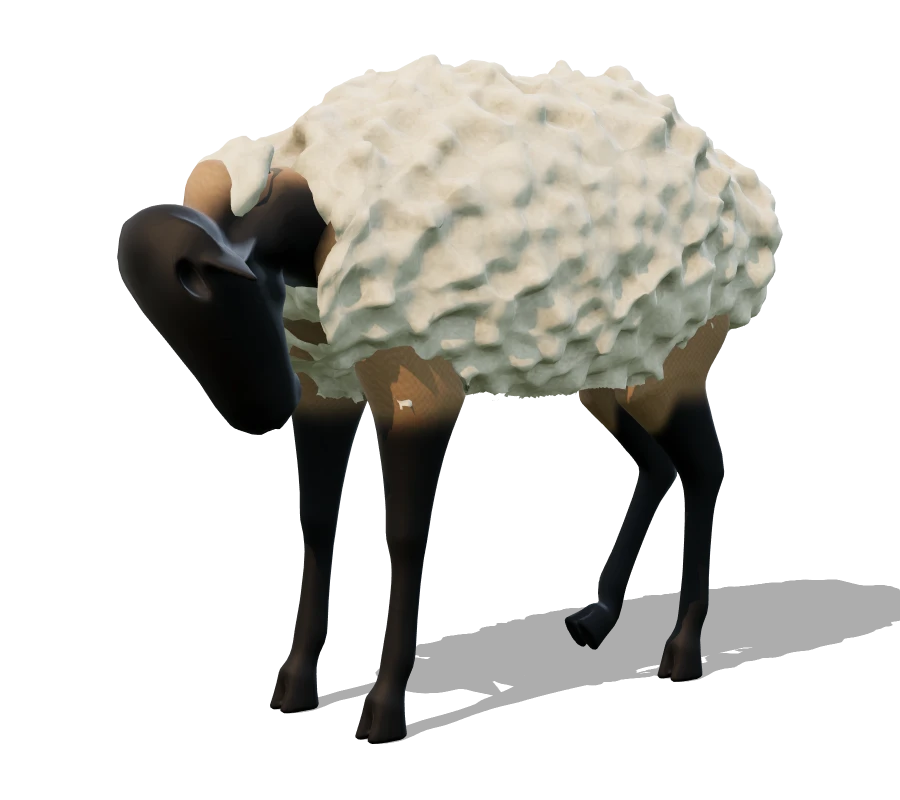
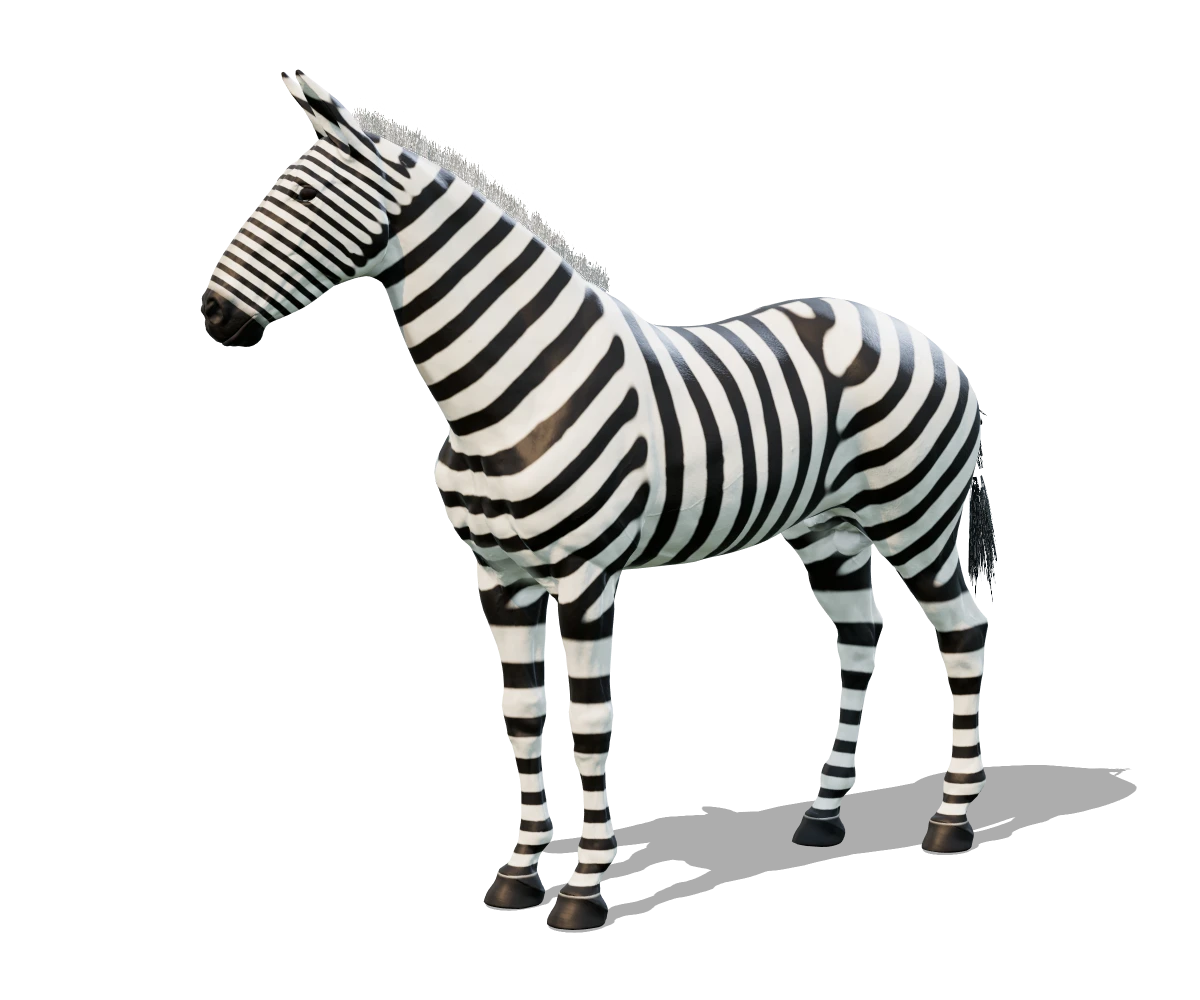
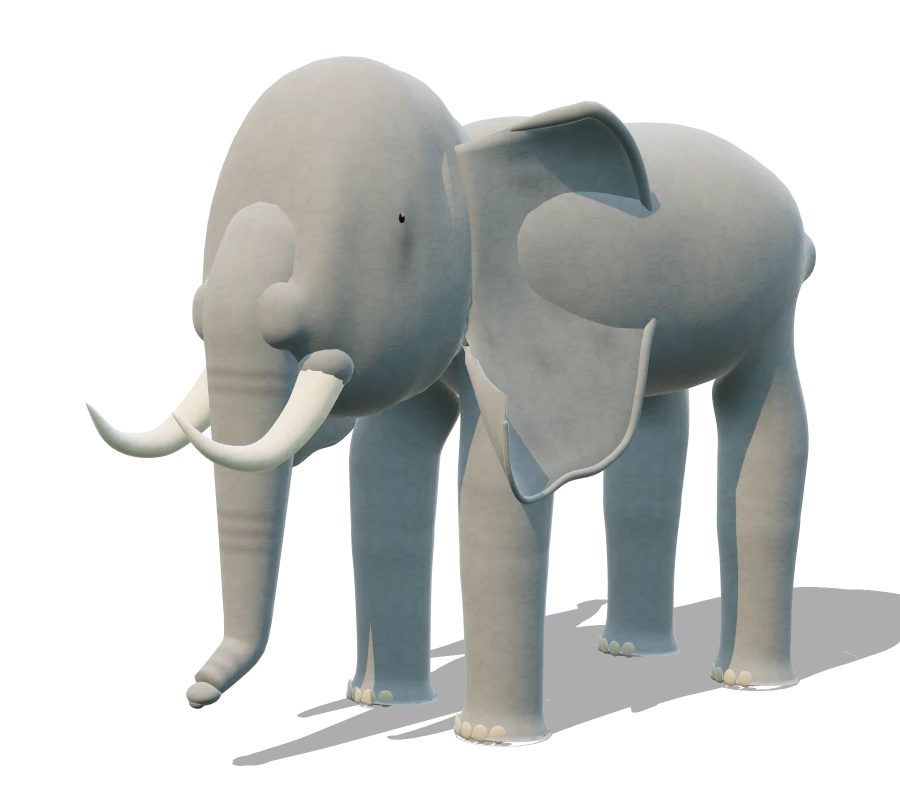
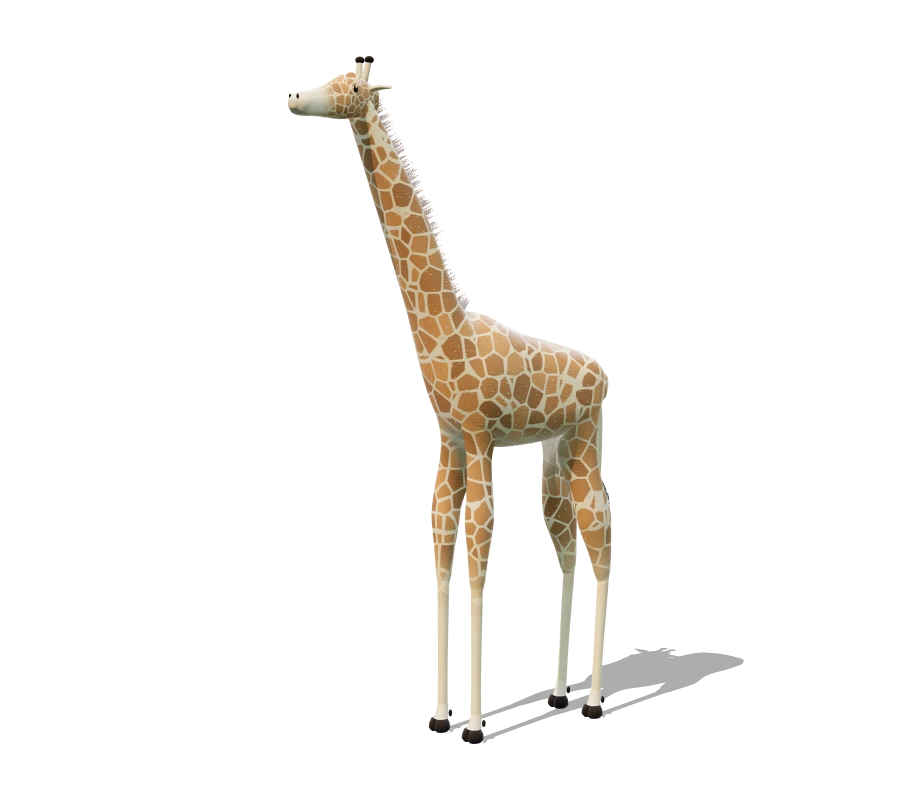
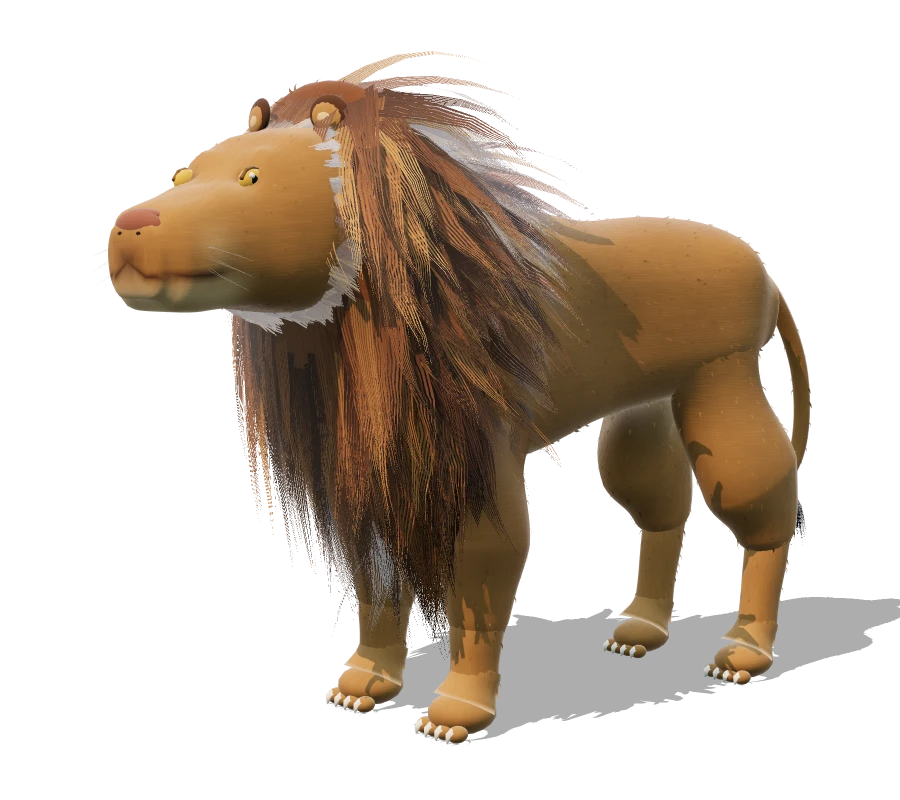
Sheep and chickens near the cities, deer, boars and bears in the woods, elephants, giraffes and zebras on the savanna, polar bears, seals, penguins and mammoths on the ice. Every beast lives in its own biome. Peaceful beasts mind their own business, until someone attacks them.
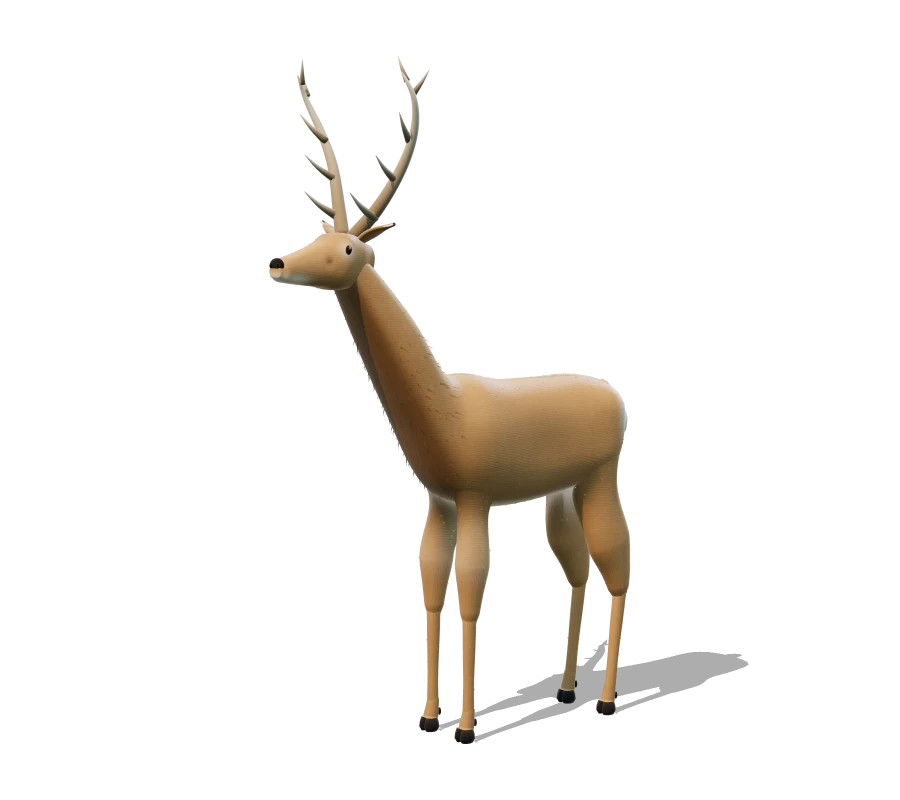
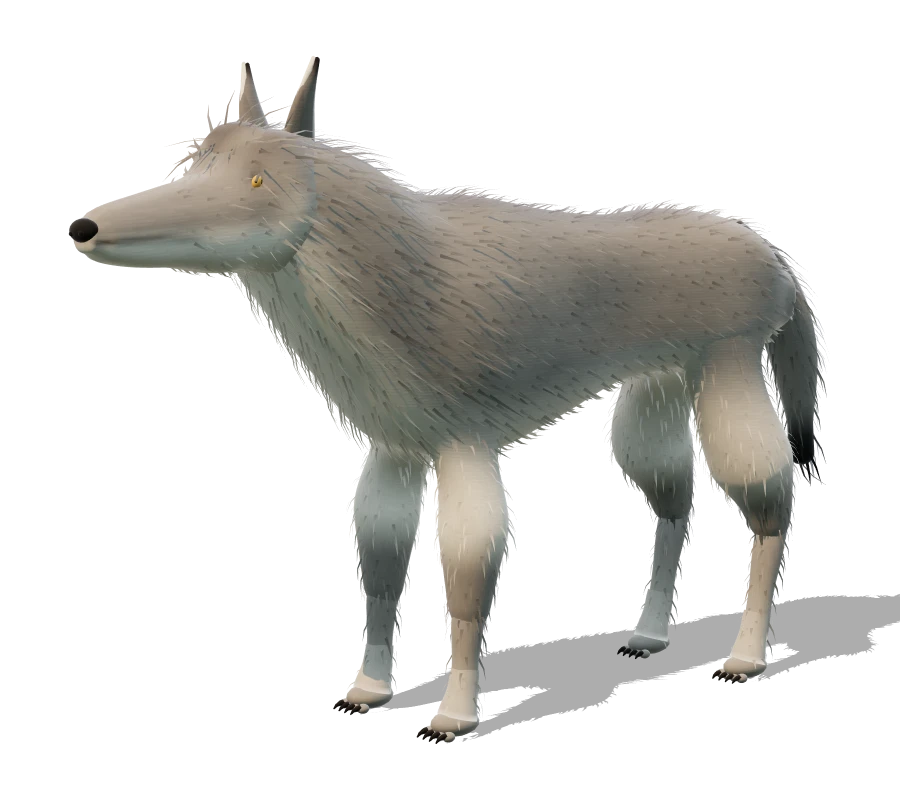
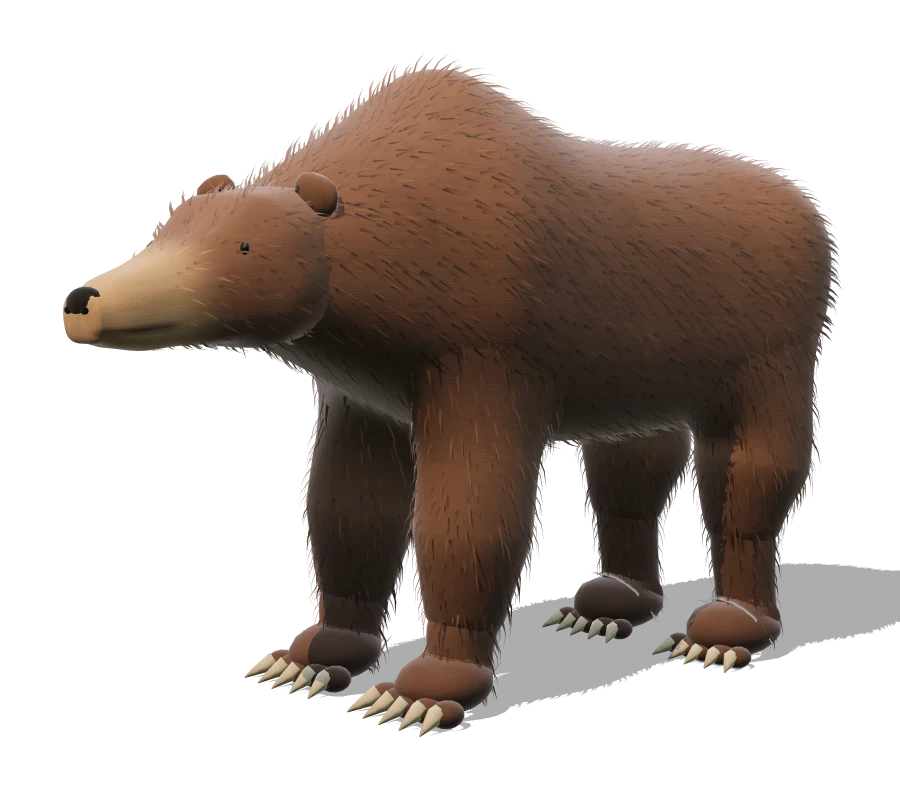
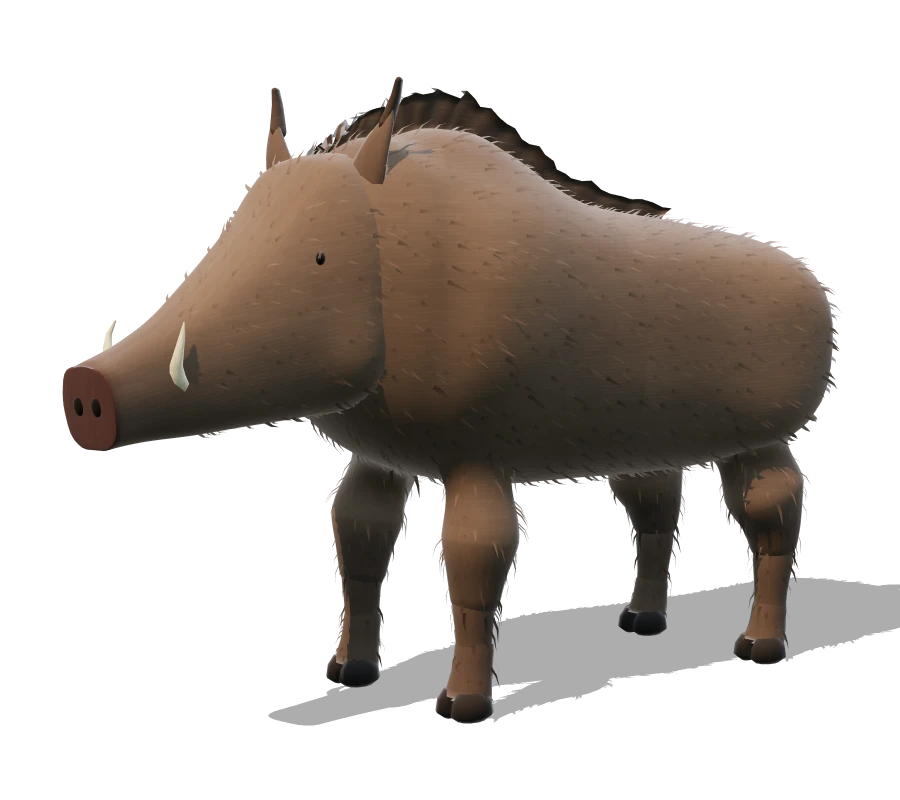
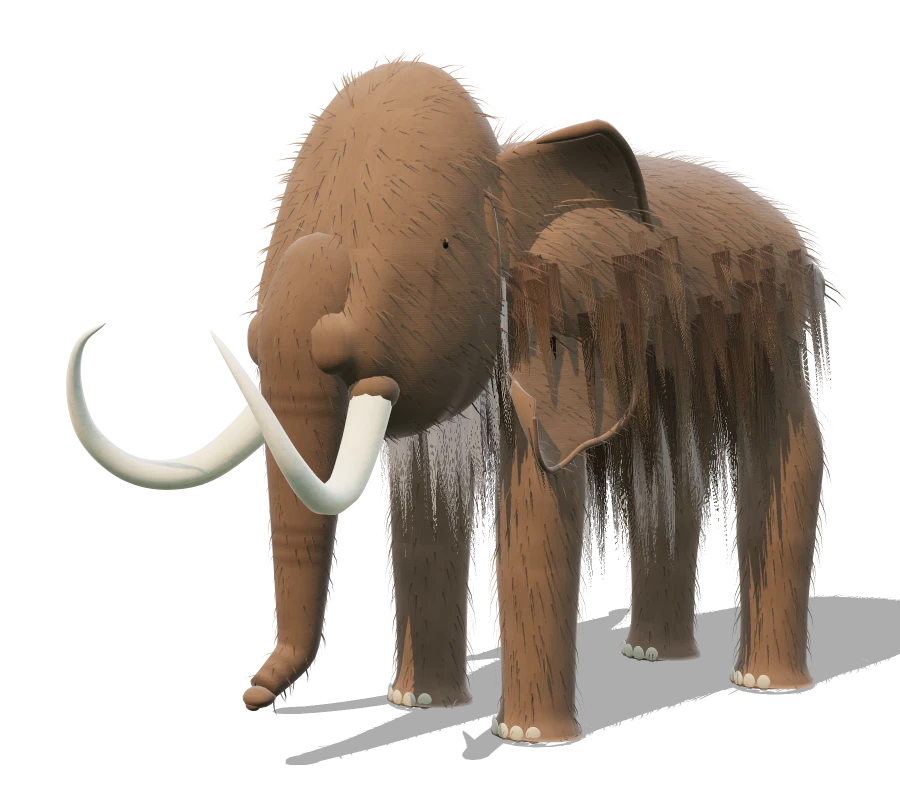
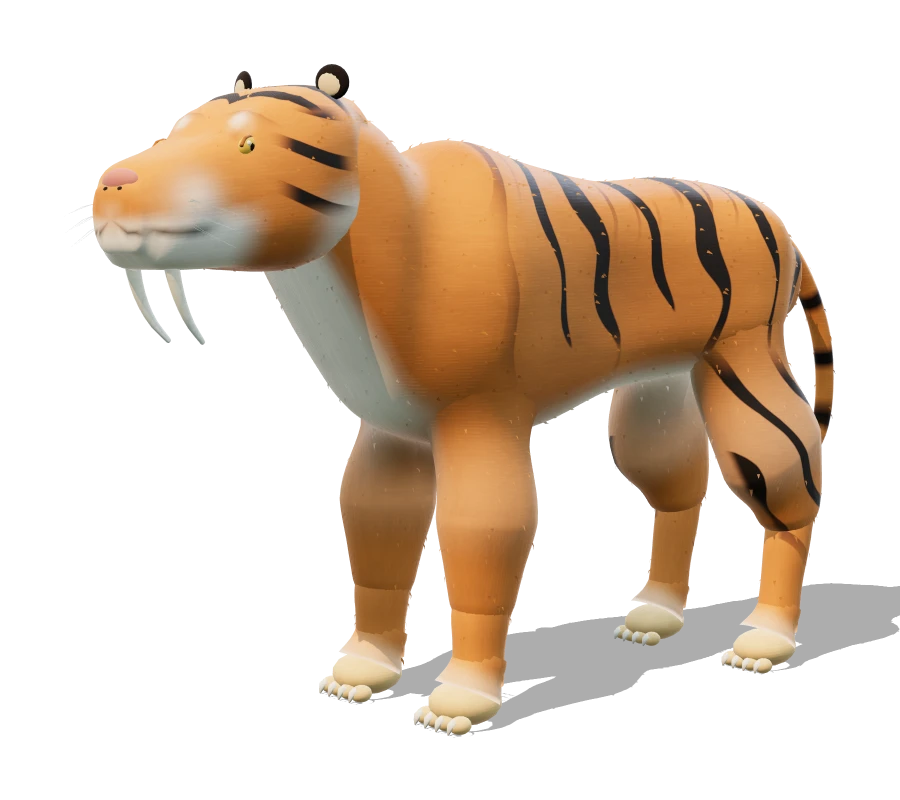
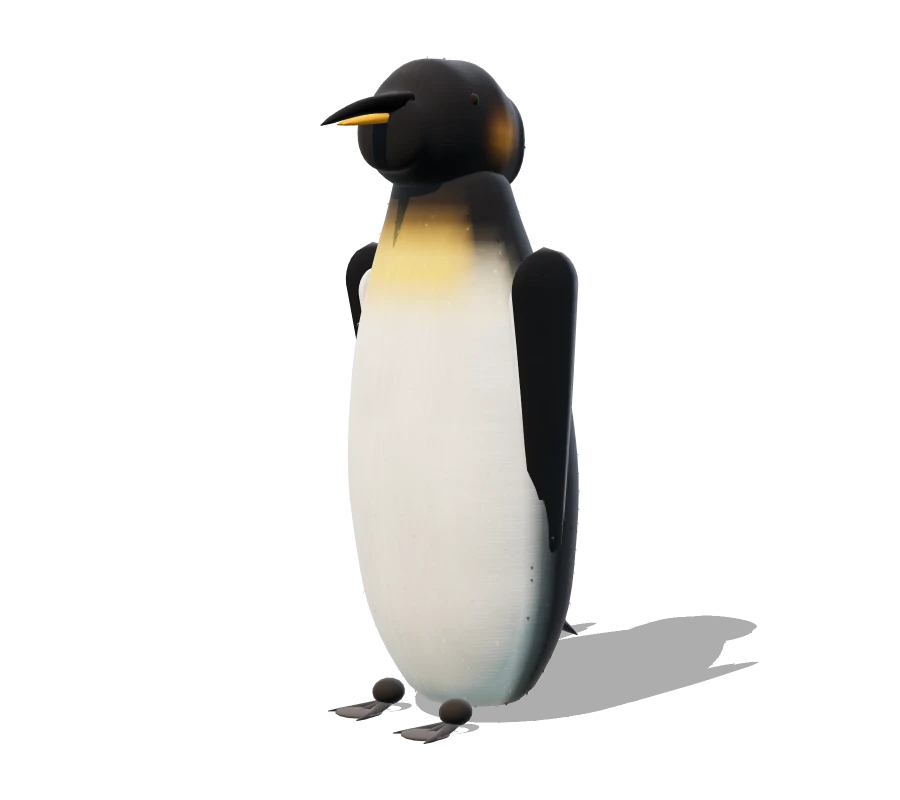
Tame and ride
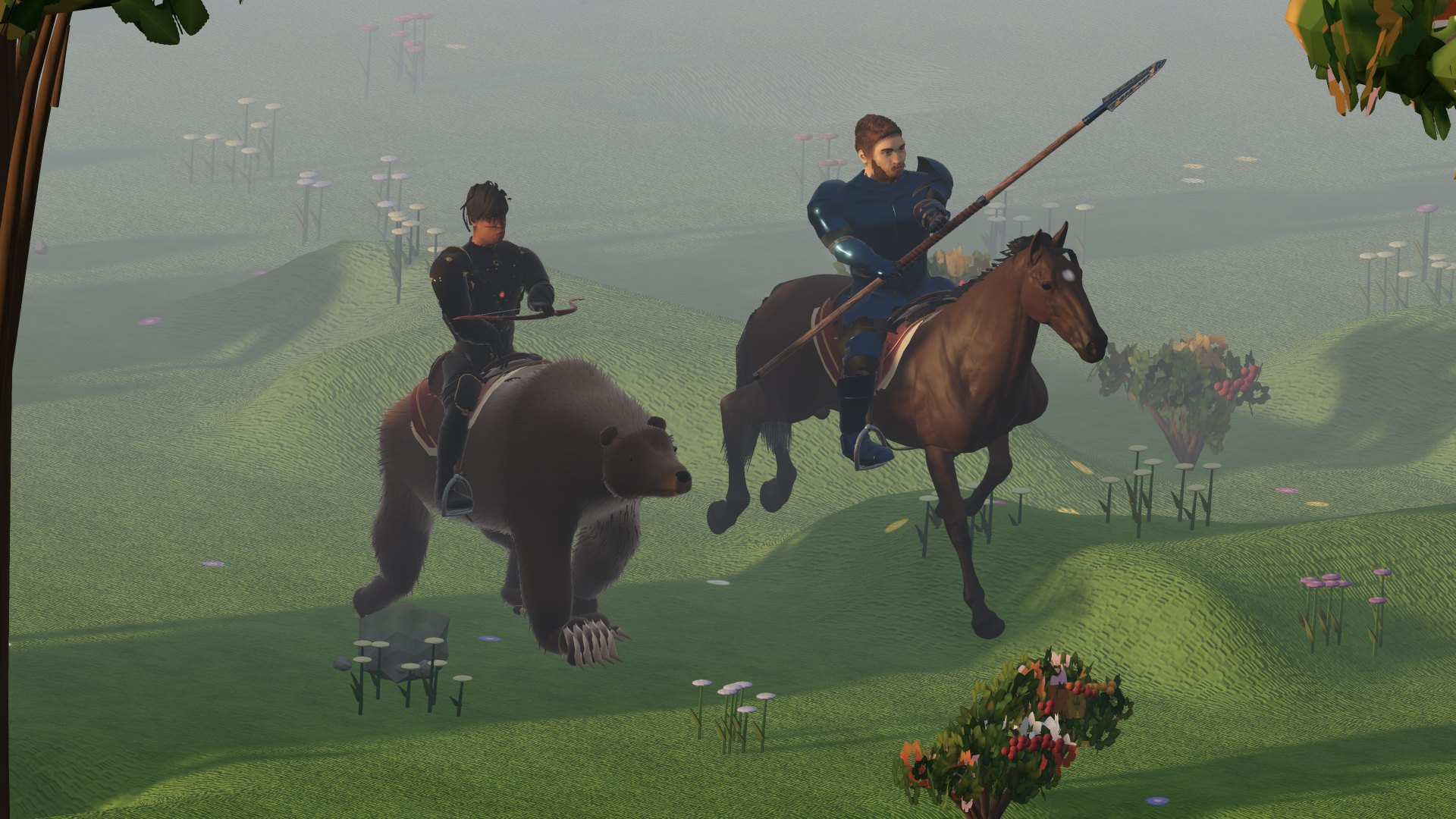
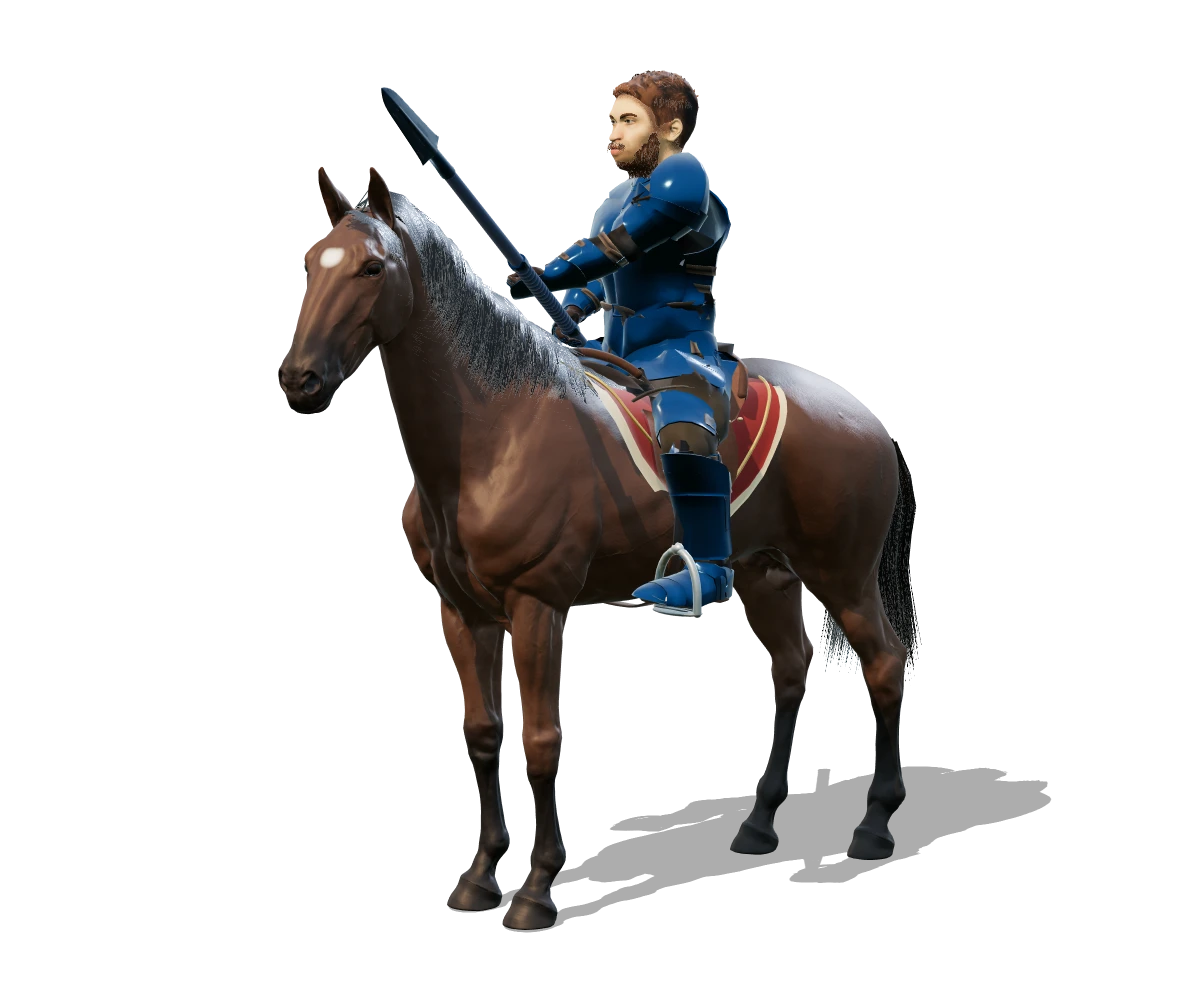
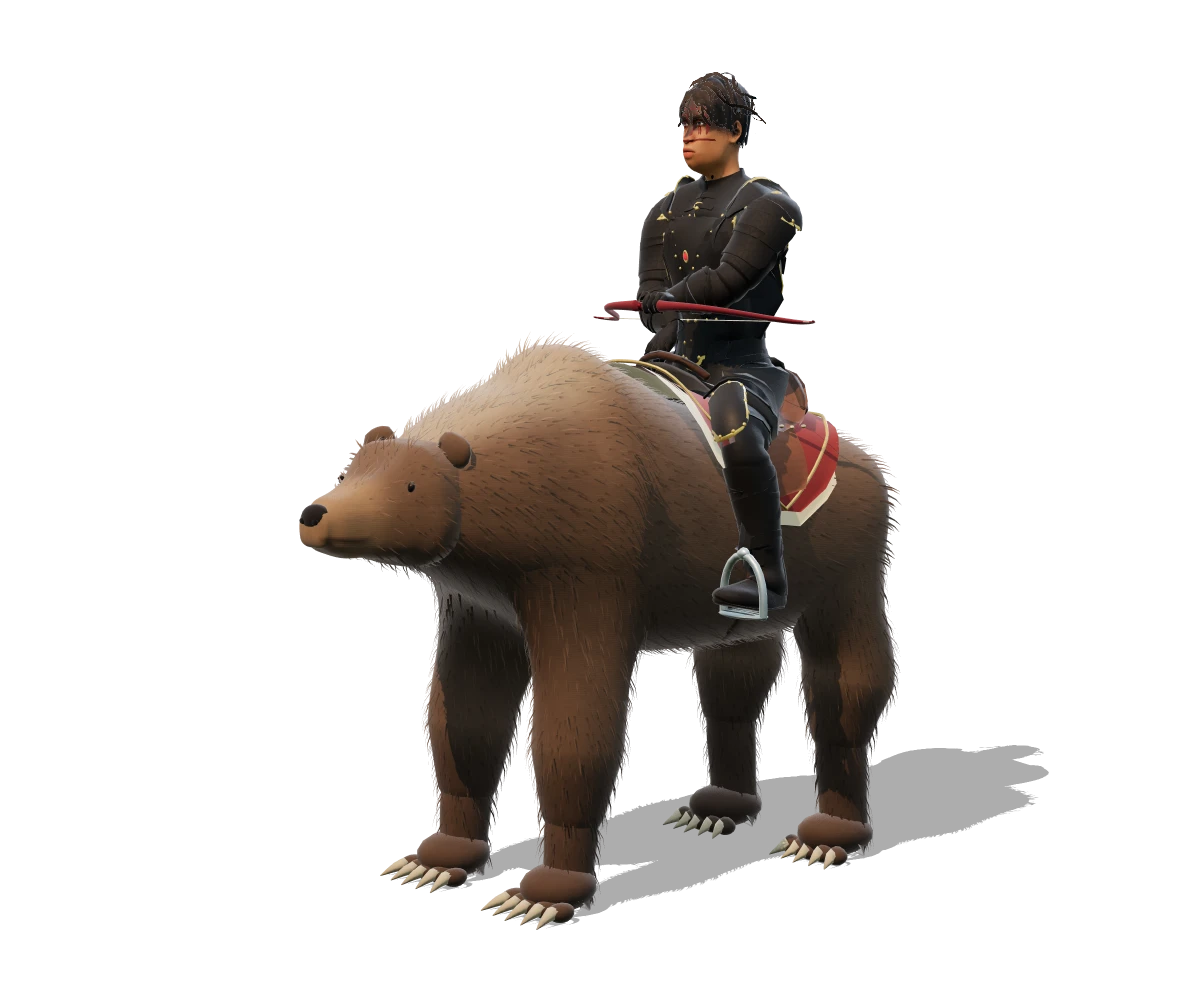
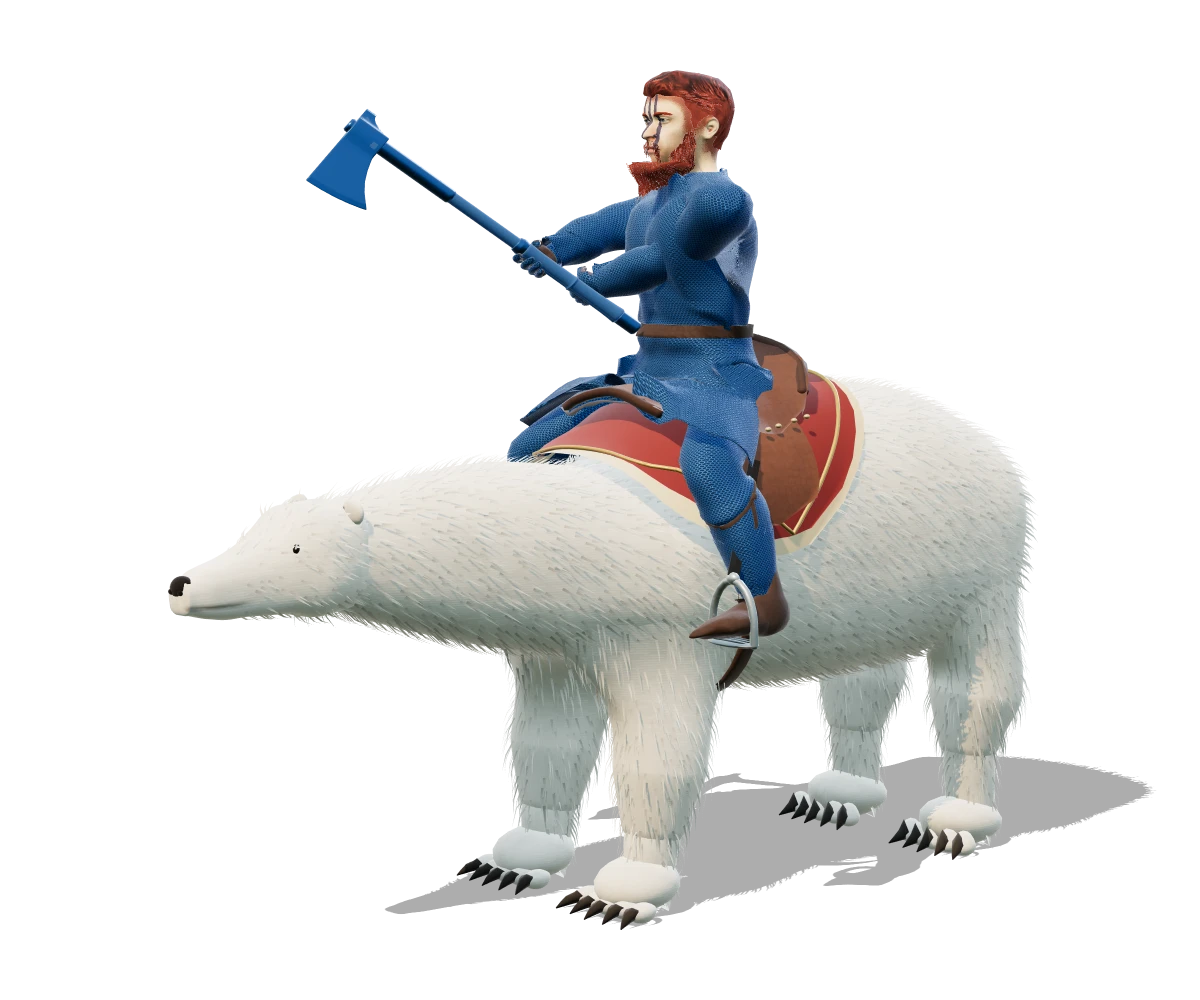
Wild beasts are tamed with patience and the Taming skill, and dying is the only way to lose them. The horse and the bears carry you in the saddle. The horse is new, with its coats: white, light grey, light brown, dark brown. Dragons, on the other hand, are not mounts: they are monsters, and they are fought. But the greatest mages can become a dragon through magic.
All mounts run like the horse: they differ in the shield they give their rider, against blows and against spells. The Nazgul Horse is another story: black, with demonic red eyes, it is a level 160 monster of the Necropolis. It attacks whoever it meets, and it can be tamed only if the game master makes a model of it that can be tamed.
The sun and the moon of the Earth, right now.
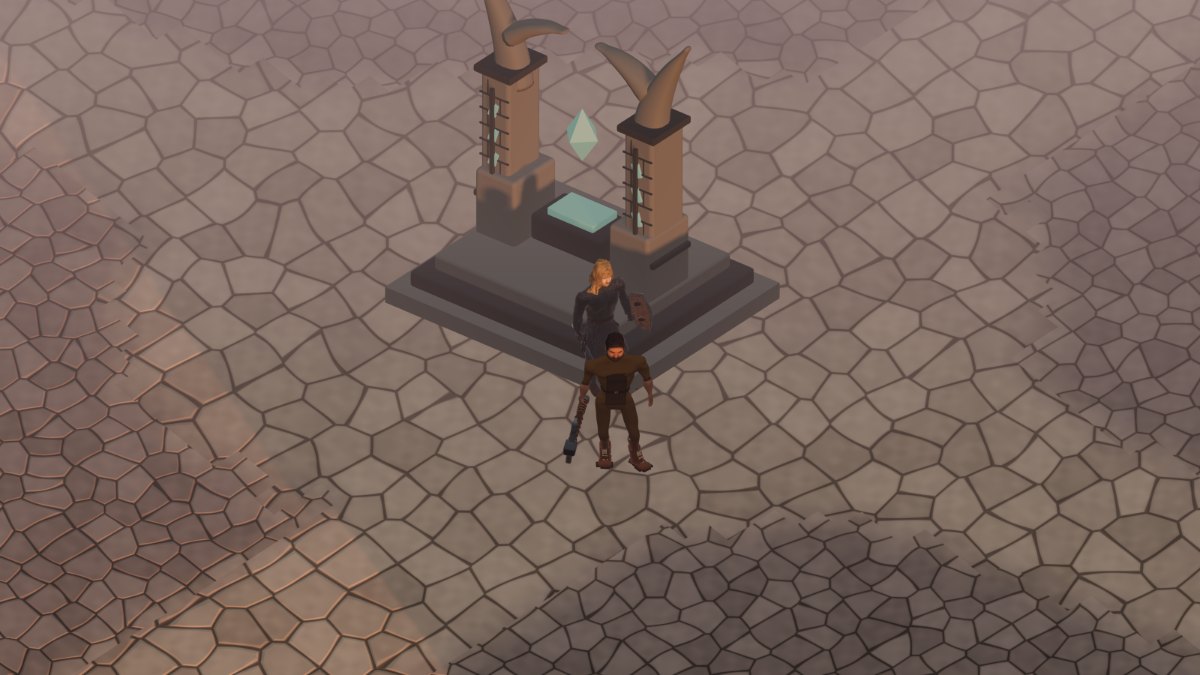
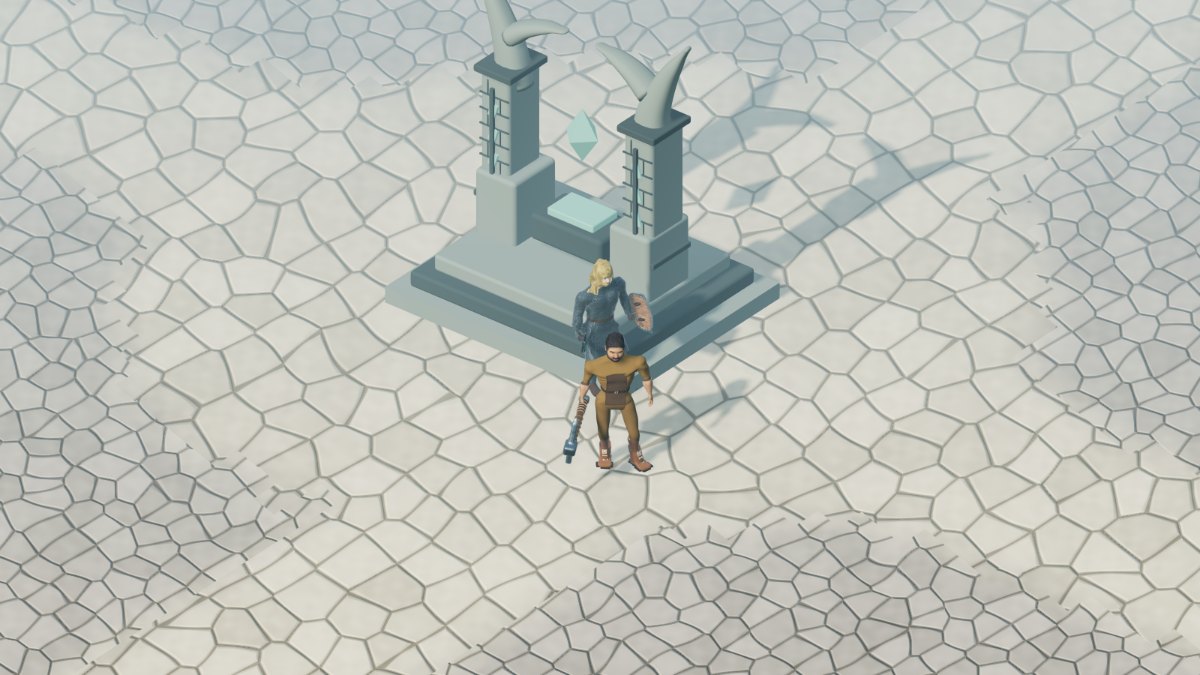
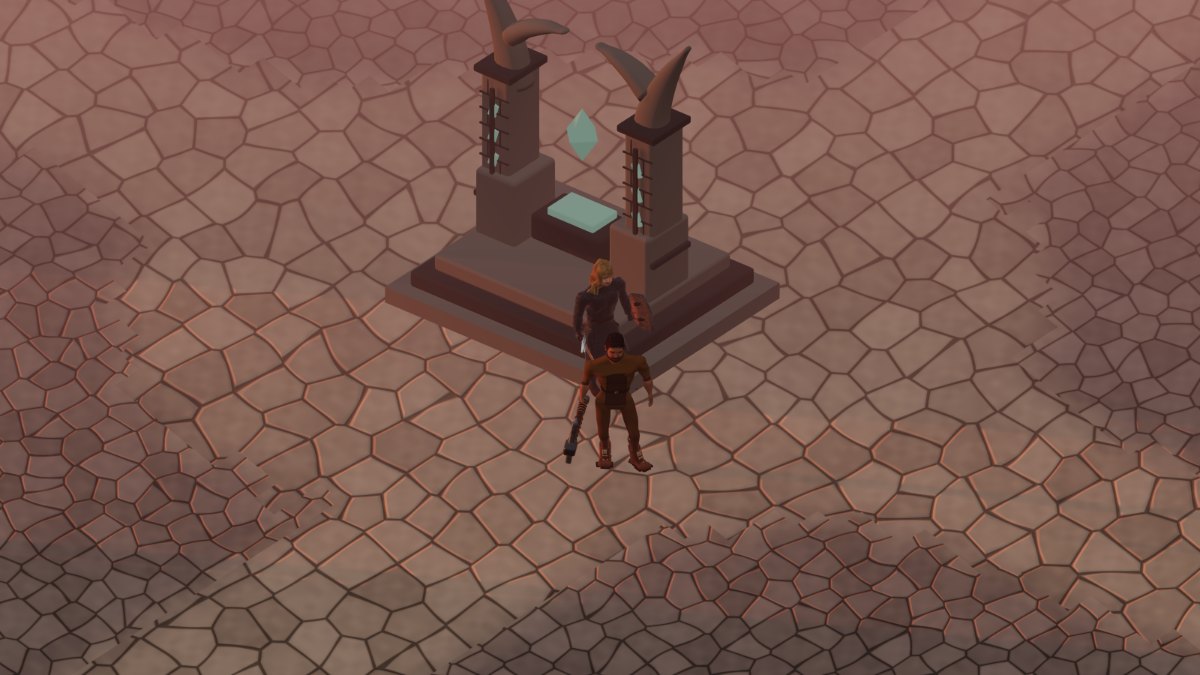
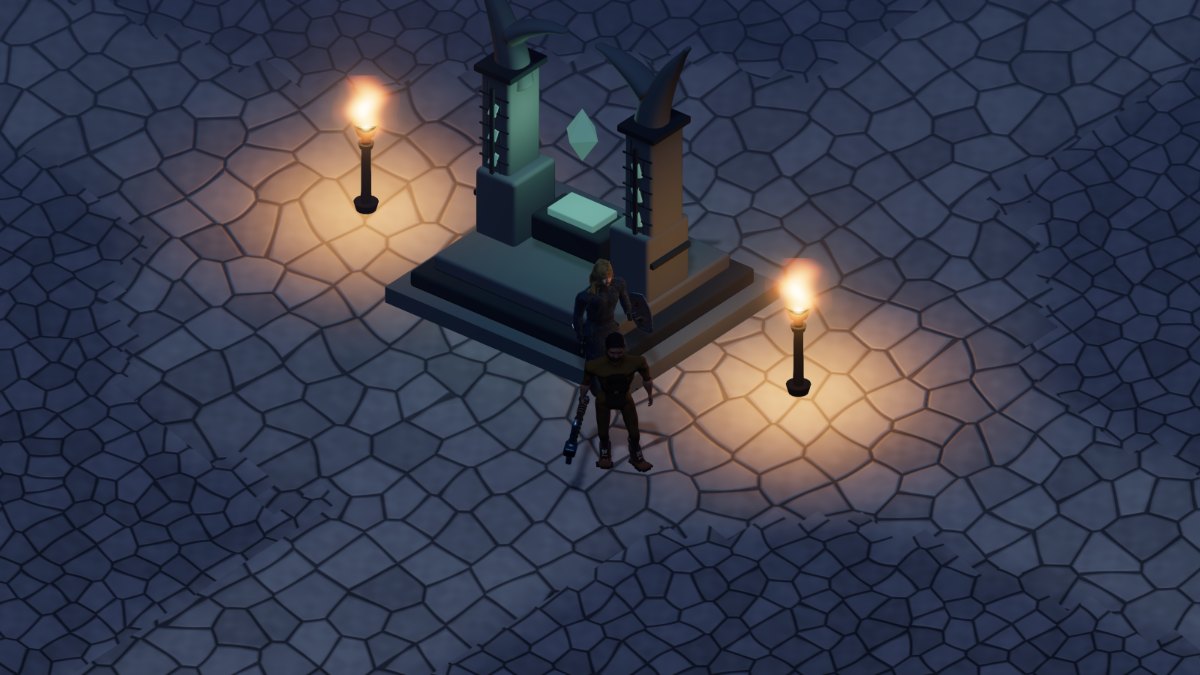
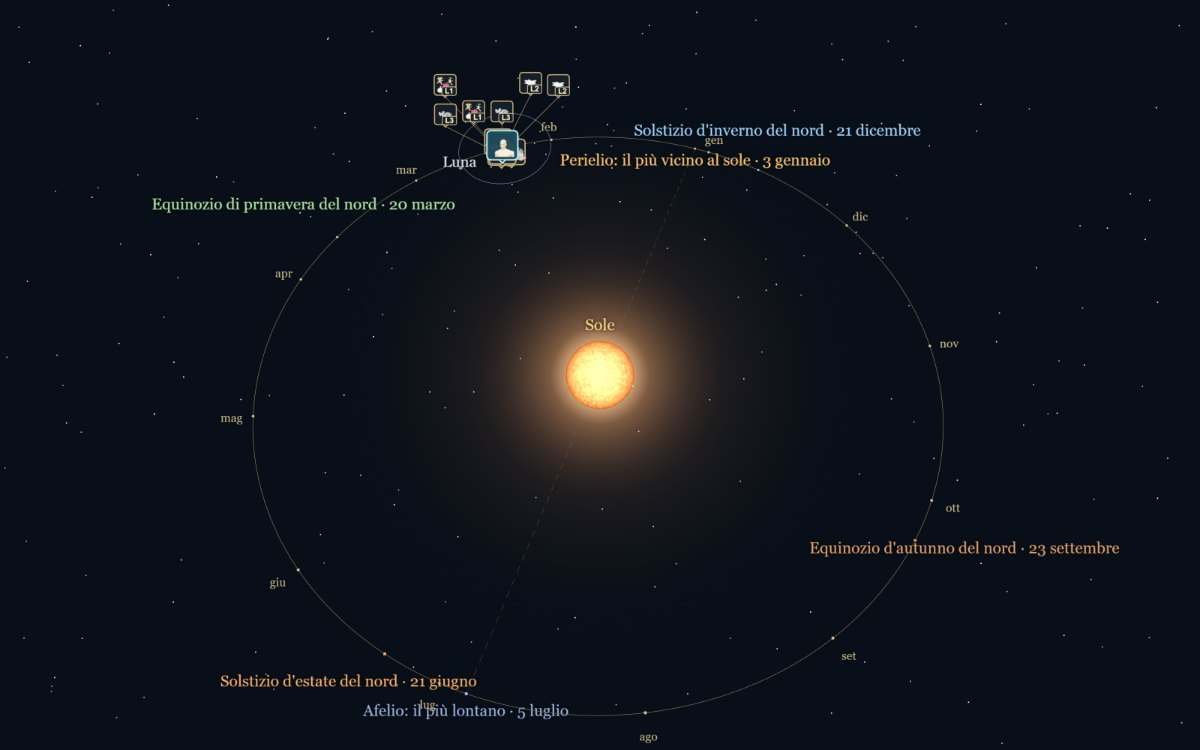
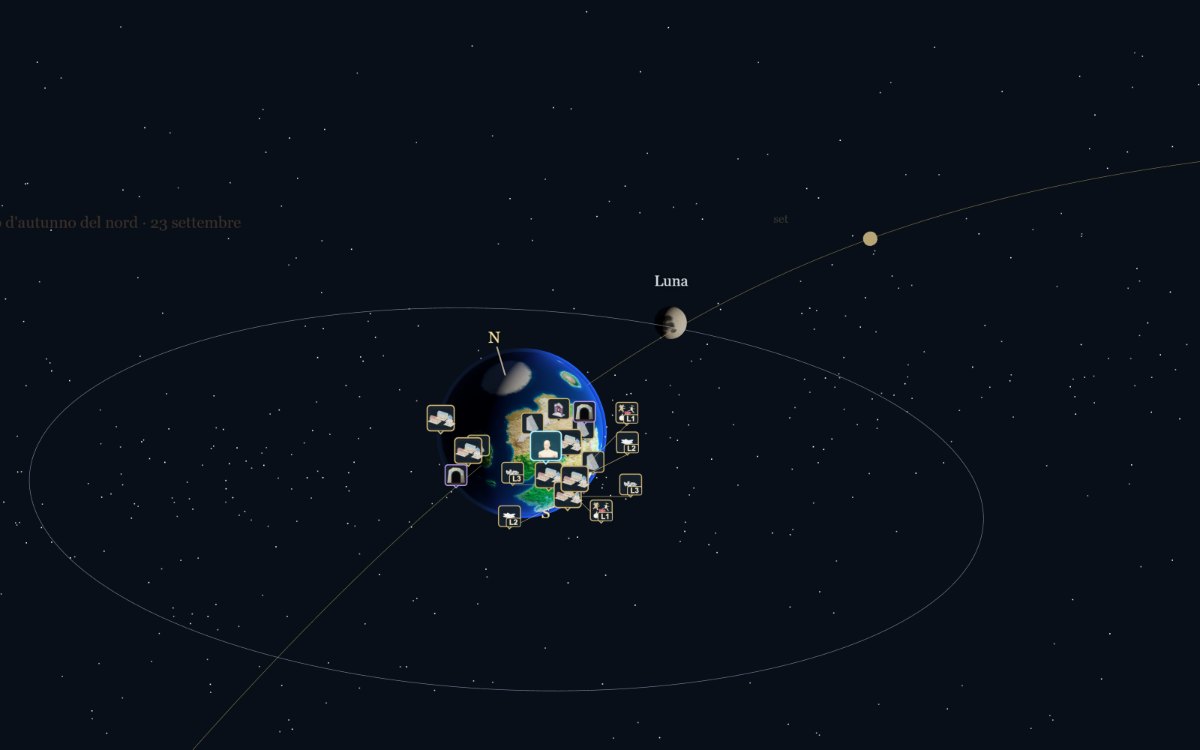
In the game it is the same hour and the same day as outside your window: twenty-four-hour days, synchronised with the real date. Nobody can speed time up or stop it, not even the game master. The sun follows Kepler's laws, on an elliptical orbit with an axis tilted by 23.44 degrees; the moon moves like the real one, with its phases, its dark nights and its full nights. Walking west, you chase the day.
Right now, in the game
Calculated in this page with the same formulas the game uses: the hours are true solar hours, that is those of the local sundial.
Shadows and hours
Every shadow comes from the real sun of that point of the world, at that hour: it lengthens at dawn, shortens at noon, turns as the hours go by. At night, the moon and the torches light the way.
The Earth's seasons
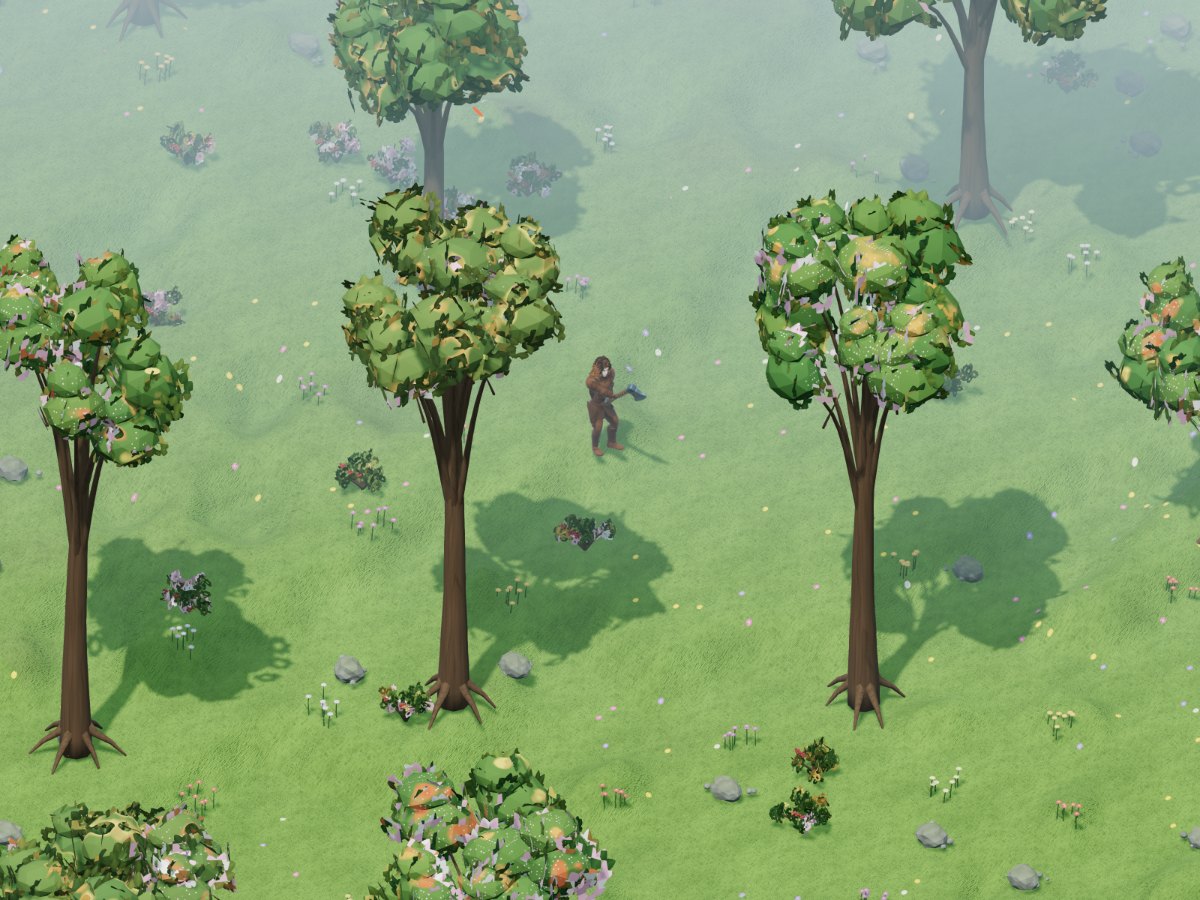
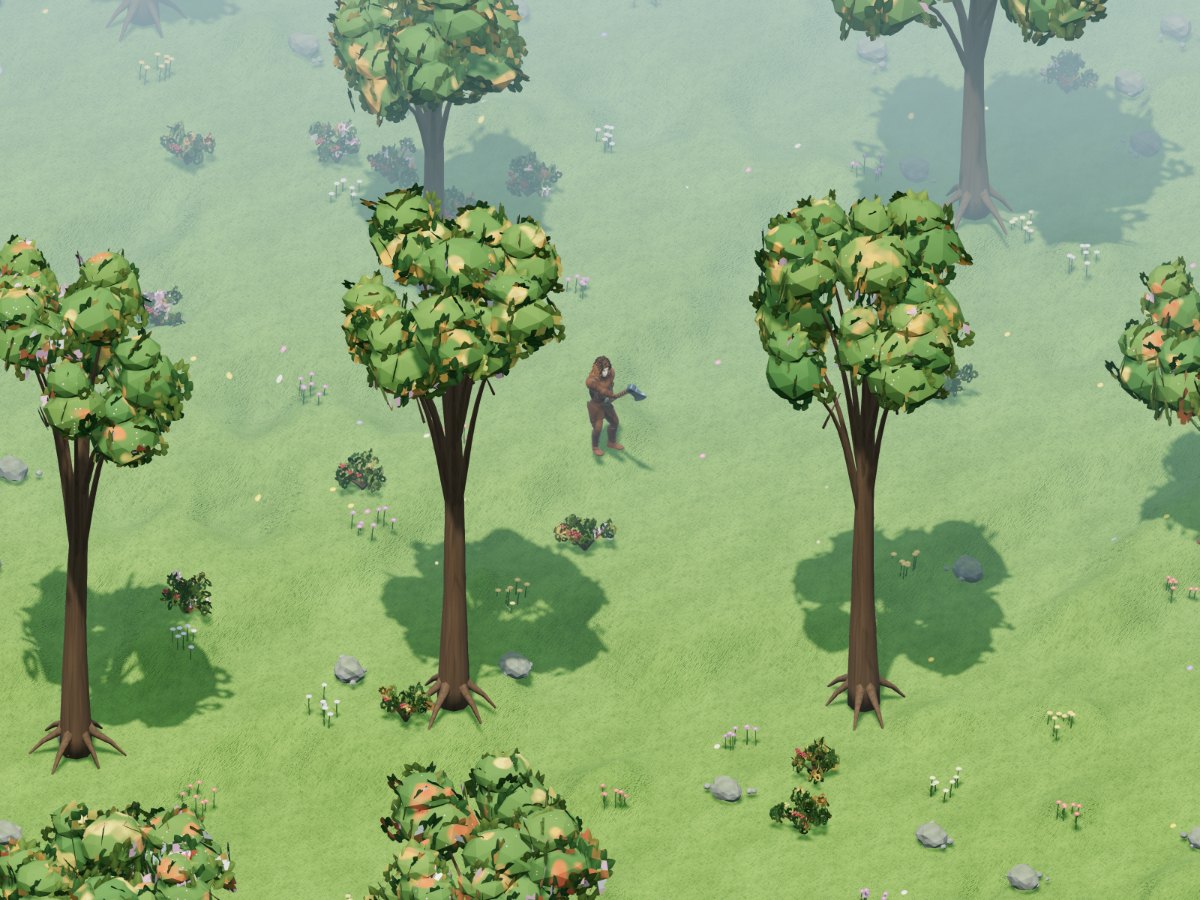
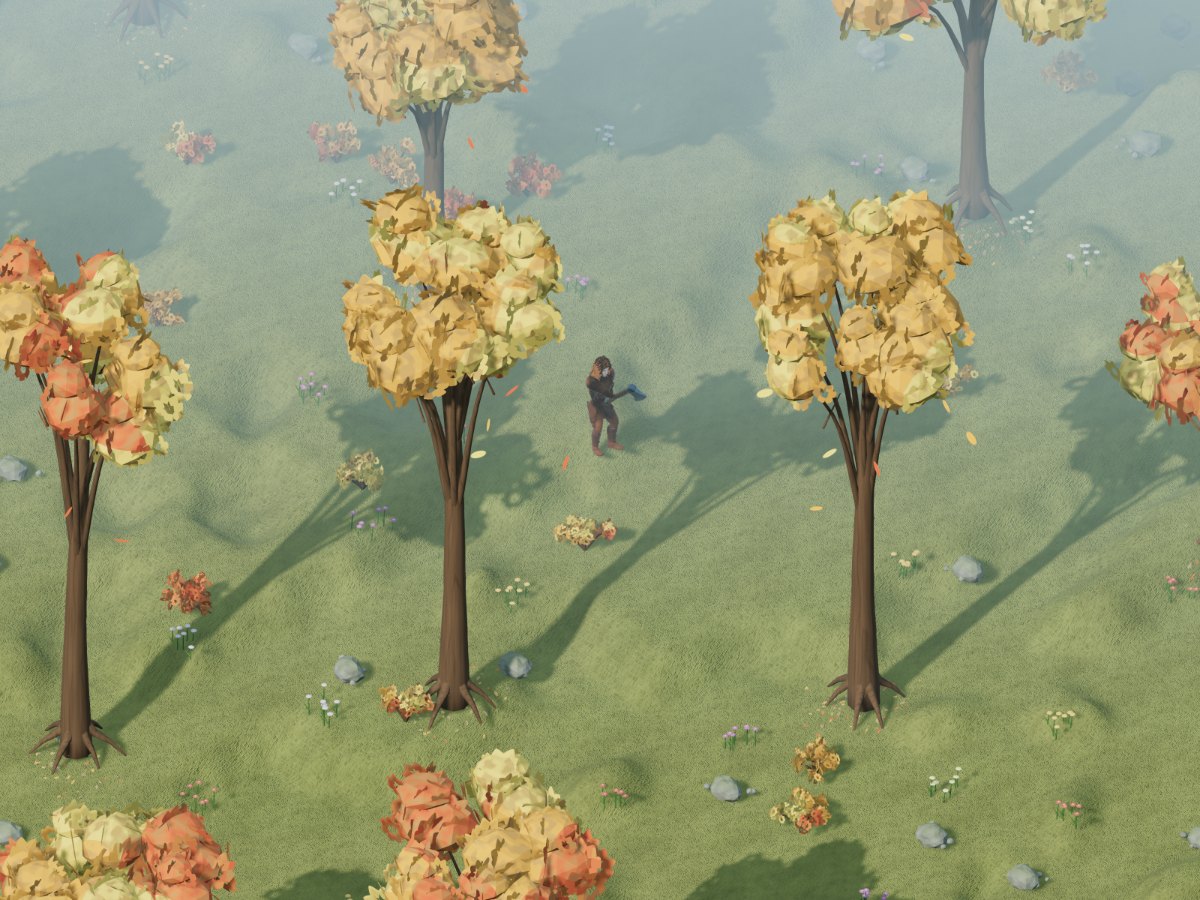
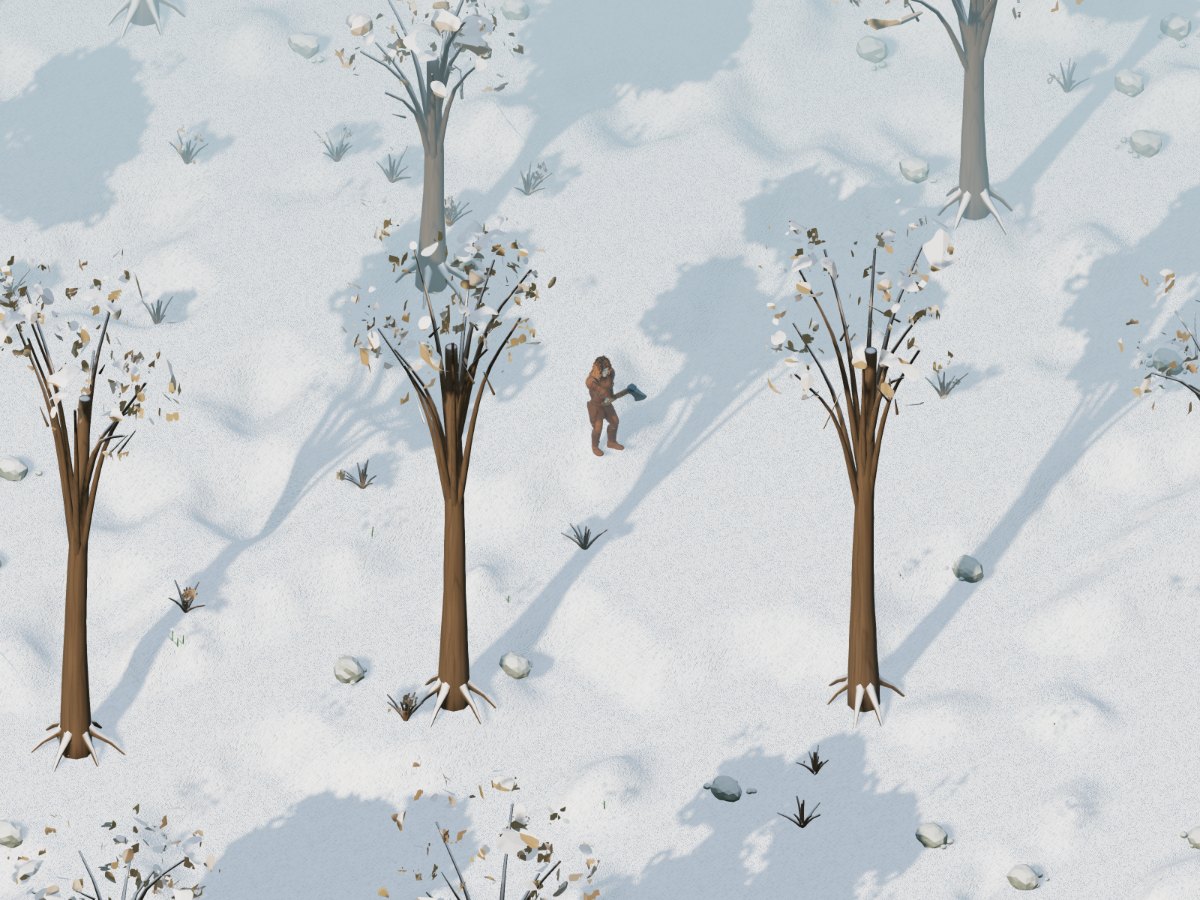
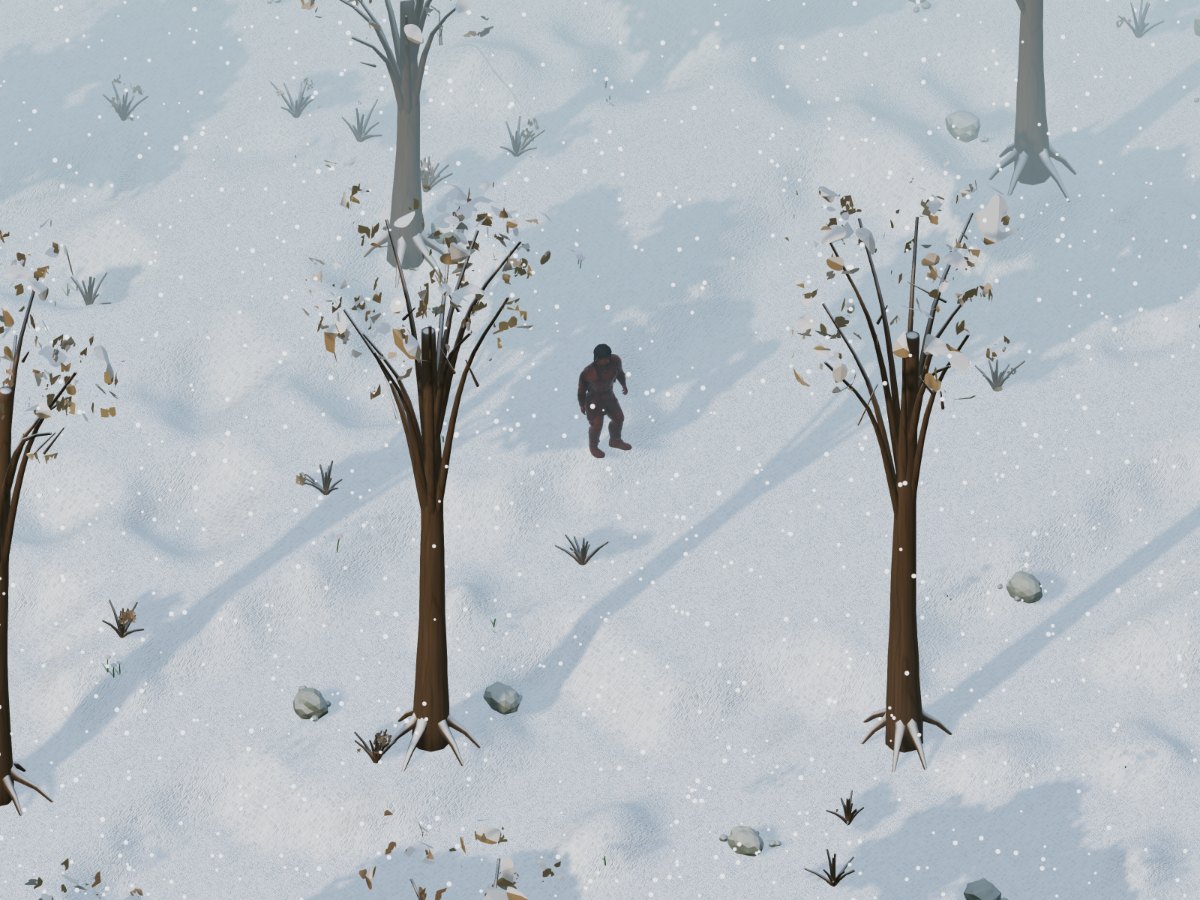
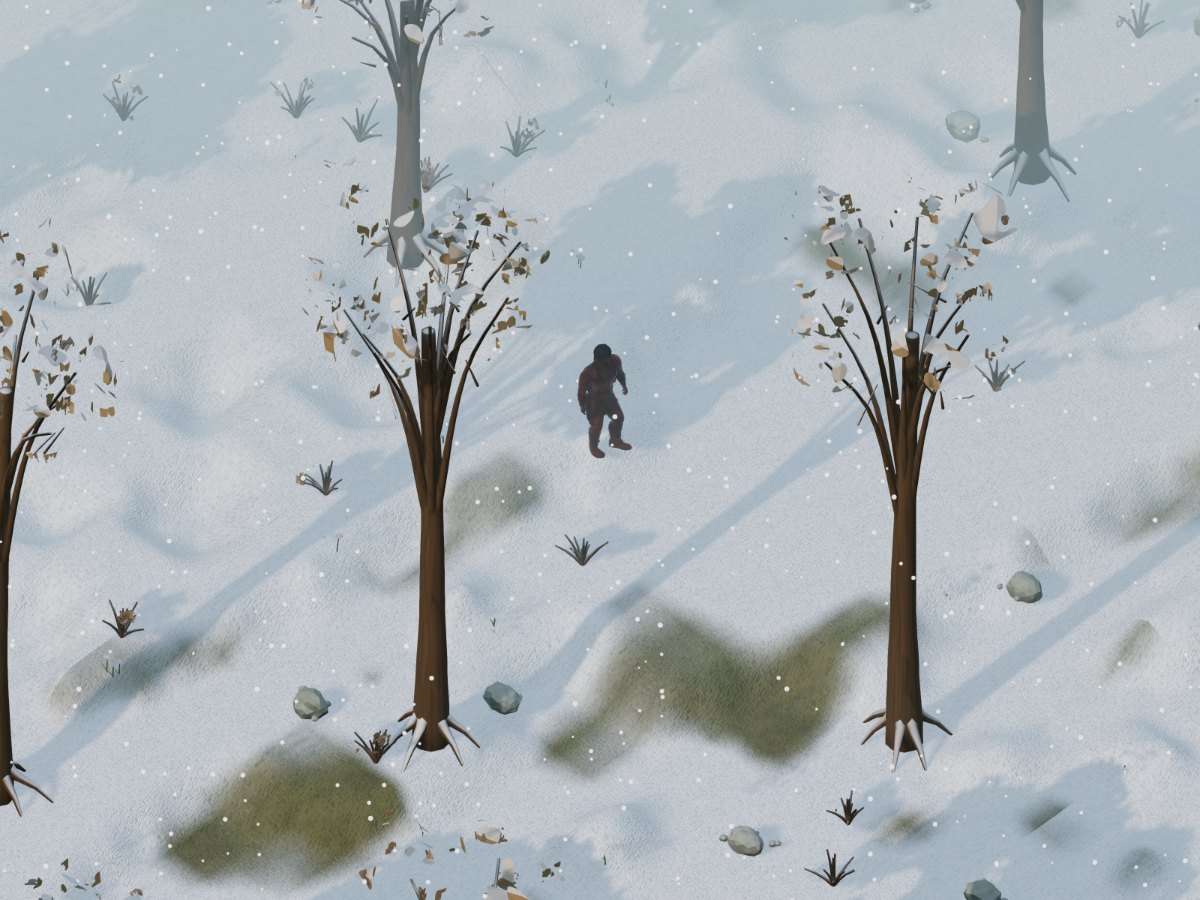
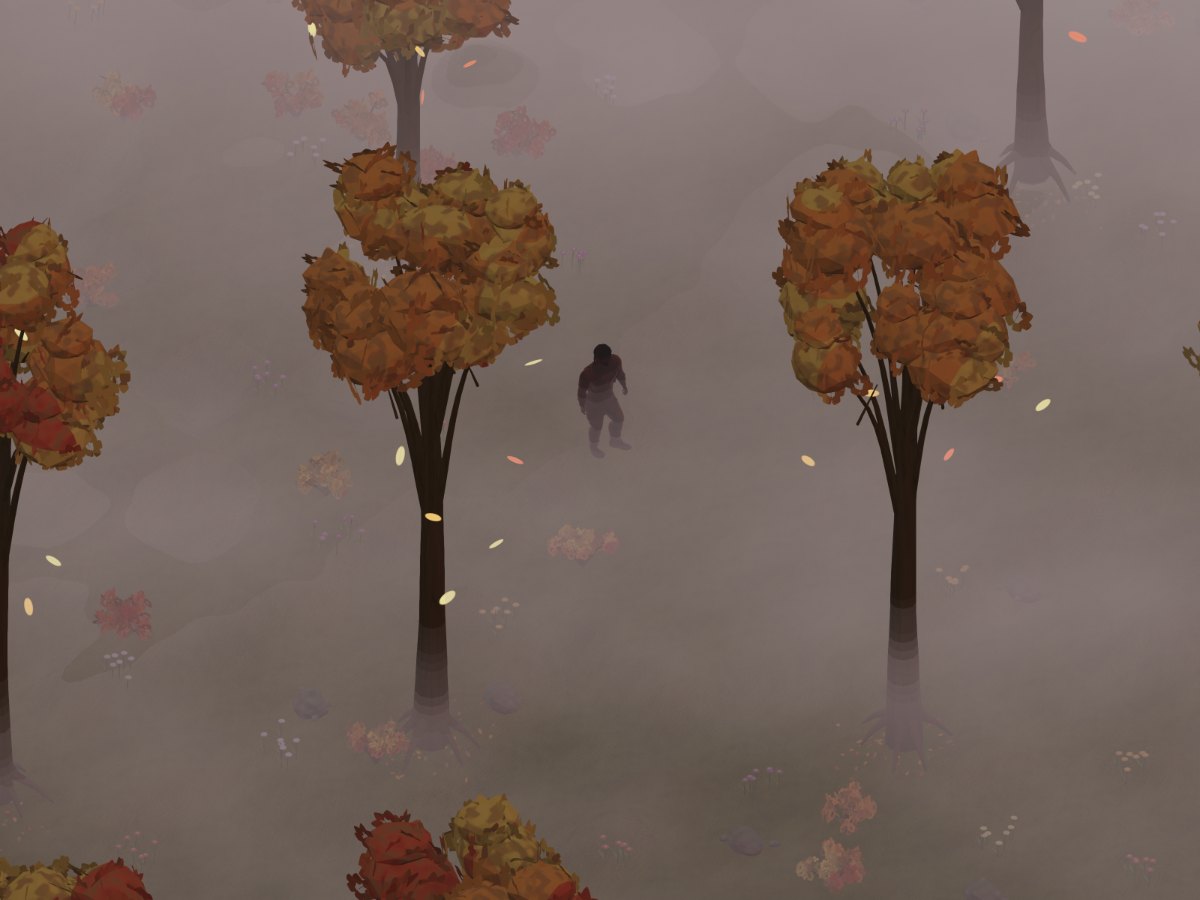
The seasons are the real ones: for every point of the world, a temperature that comes from latitude, altitude, biome and date. When it is winter in the north, it is summer in the south; at the equator the day lasts twelve hours all year round, towards the poles come the endless nights and the midnight sun. The woods blossom, turn yellow, go bare and are covered in snow. Lakes and pack ice freeze and you can walk on them, while boats come to a halt. In Cenerombra it snows ash. Inside the dungeons, though, the season never changes.
The weather
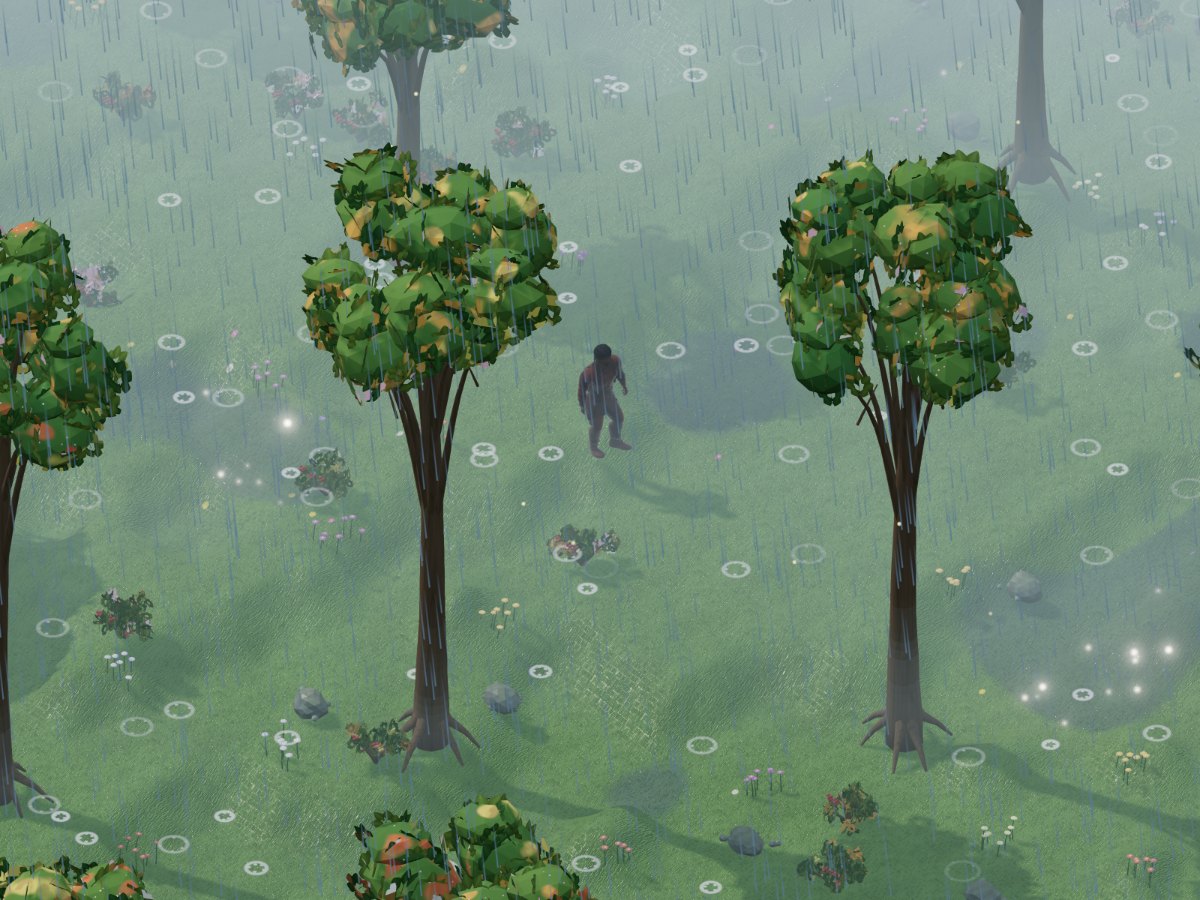
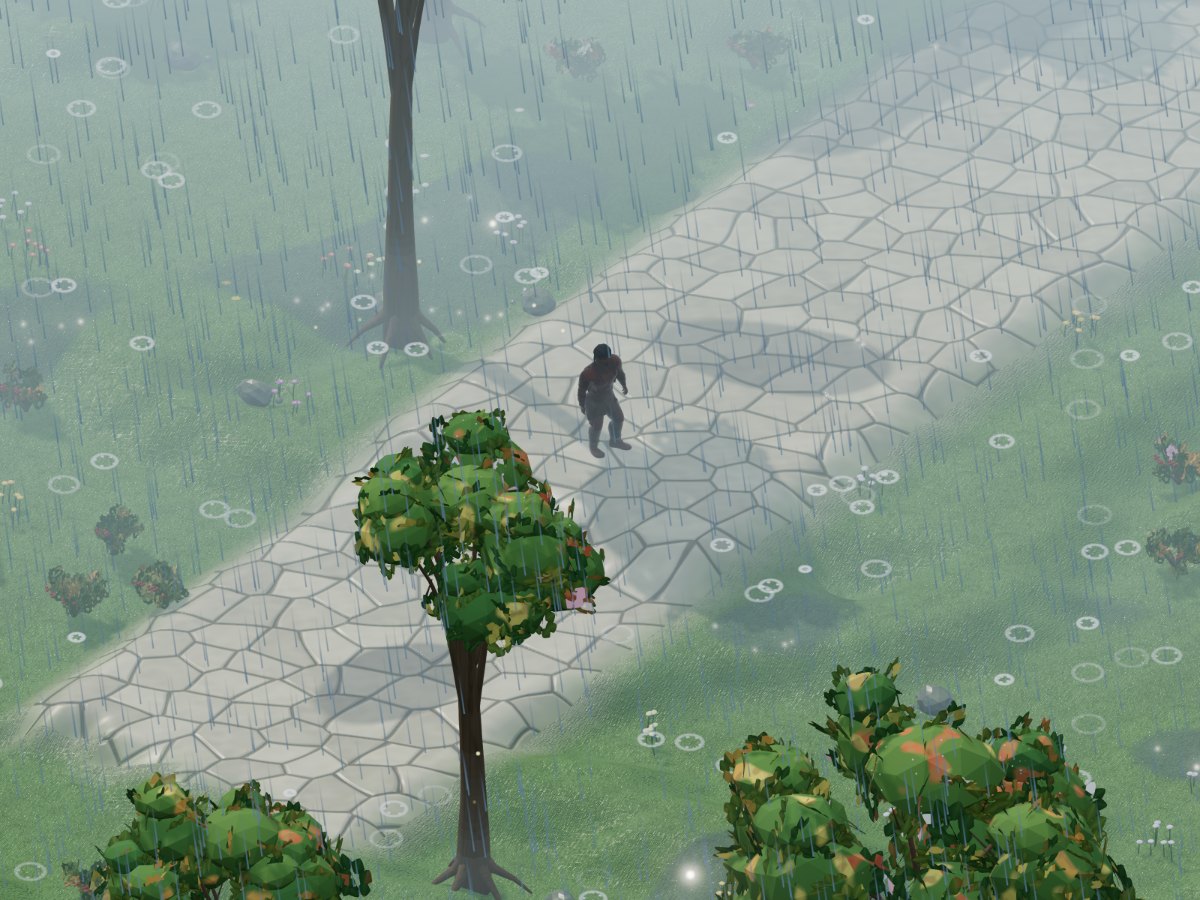
Rain, thunderstorms, snow, blizzards and morning fog: the weather comes from the real date and the place, and it is the same for everyone who is there. Fronts move east; in temperate lands it rains more in spring and autumn, thunderstorms come in summer, snow in winter where it is cold, and in the desert almost never. It is only for the eyes: rain does not put out torches and fog does not shorten your sight.
The solar system on the world map
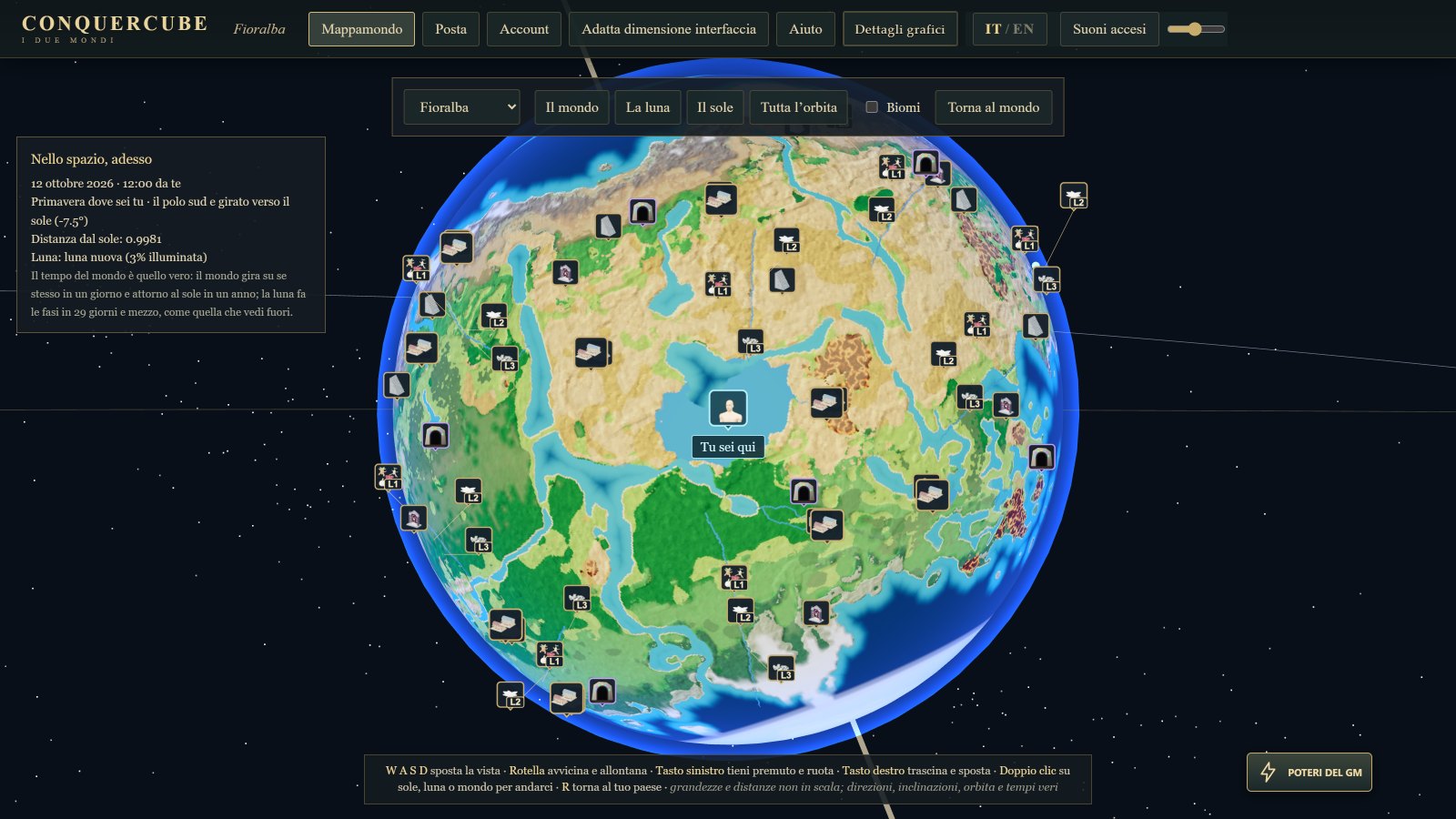
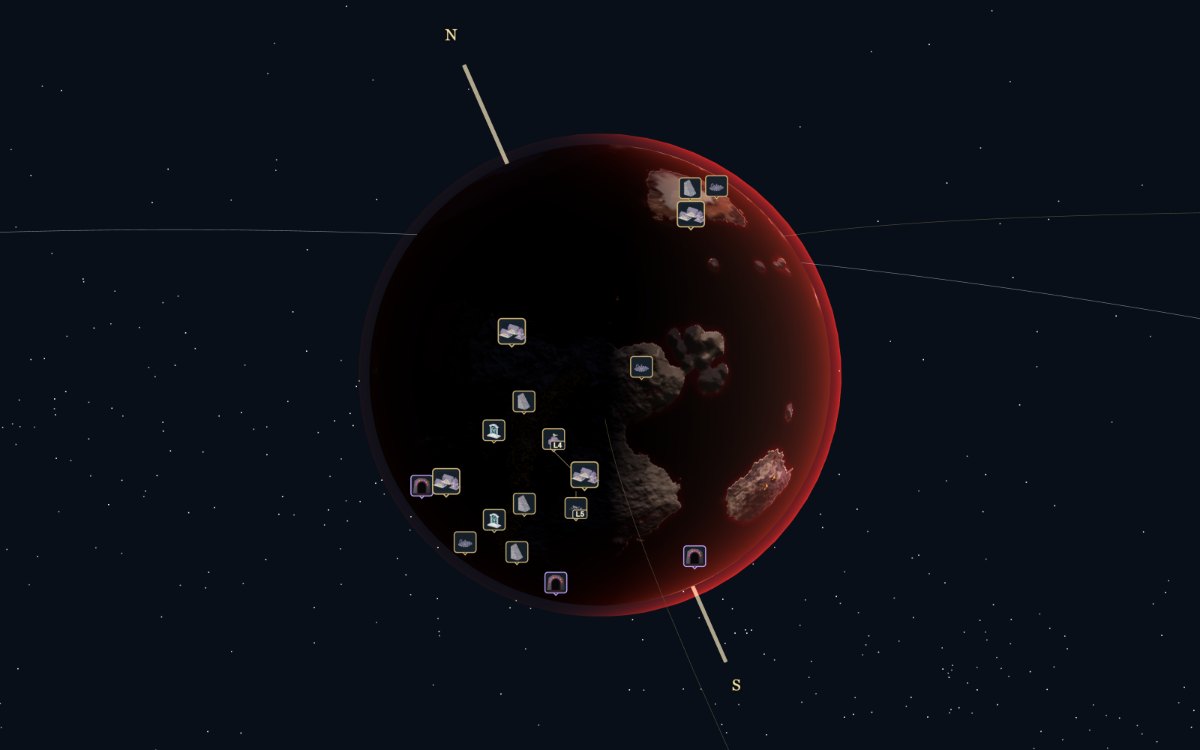
Open the world map and your world is there, in space: it spins on itself in a day and around the sun in a year, on an elliptical orbit, with its poles tilted like the Earth's; the moon circles it with its phases. Sizes and distances are not to scale; directions, tilts and times are. Cenerombra has its own globe, red, with blood-coloured water.
How the sun, the moon, the seasons and the weather work →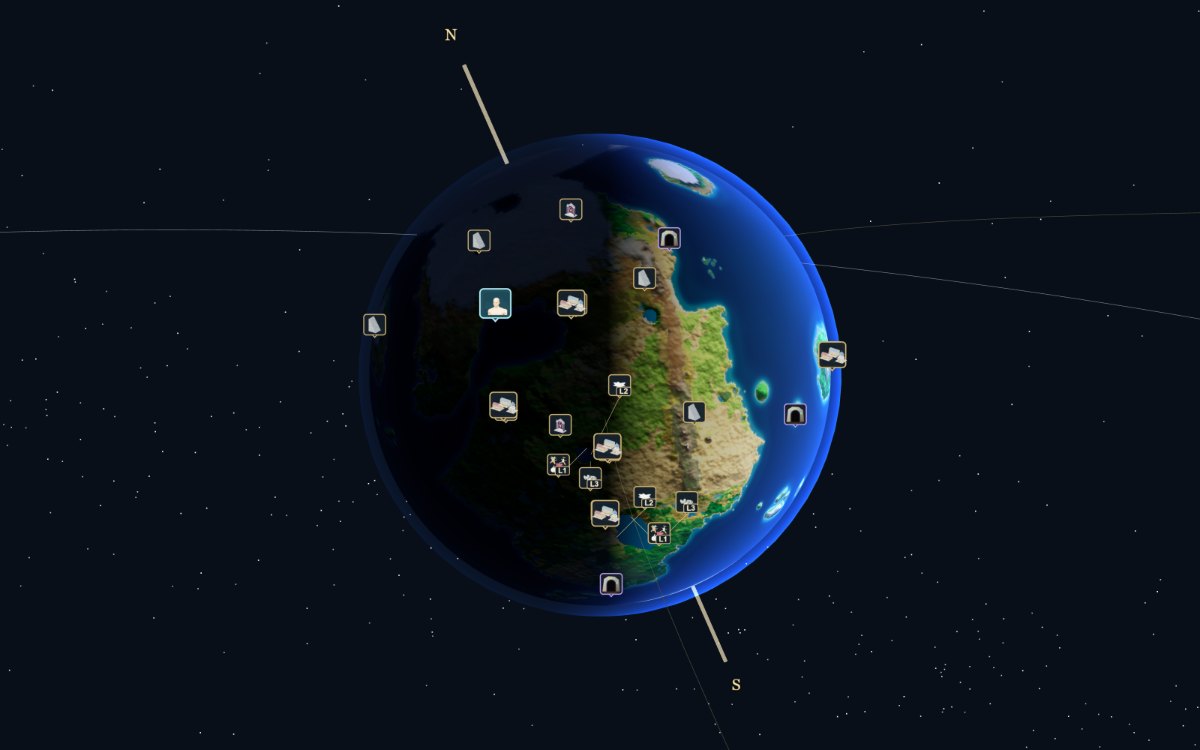
Iron, gold and magic.
Two hundred levels and twenty-six skills, but not enough points to learn them all: whoever becomes a great mage will not also be the best blacksmith. Choose what to be, and get paid for what you can do.
The gold of monsters and mines
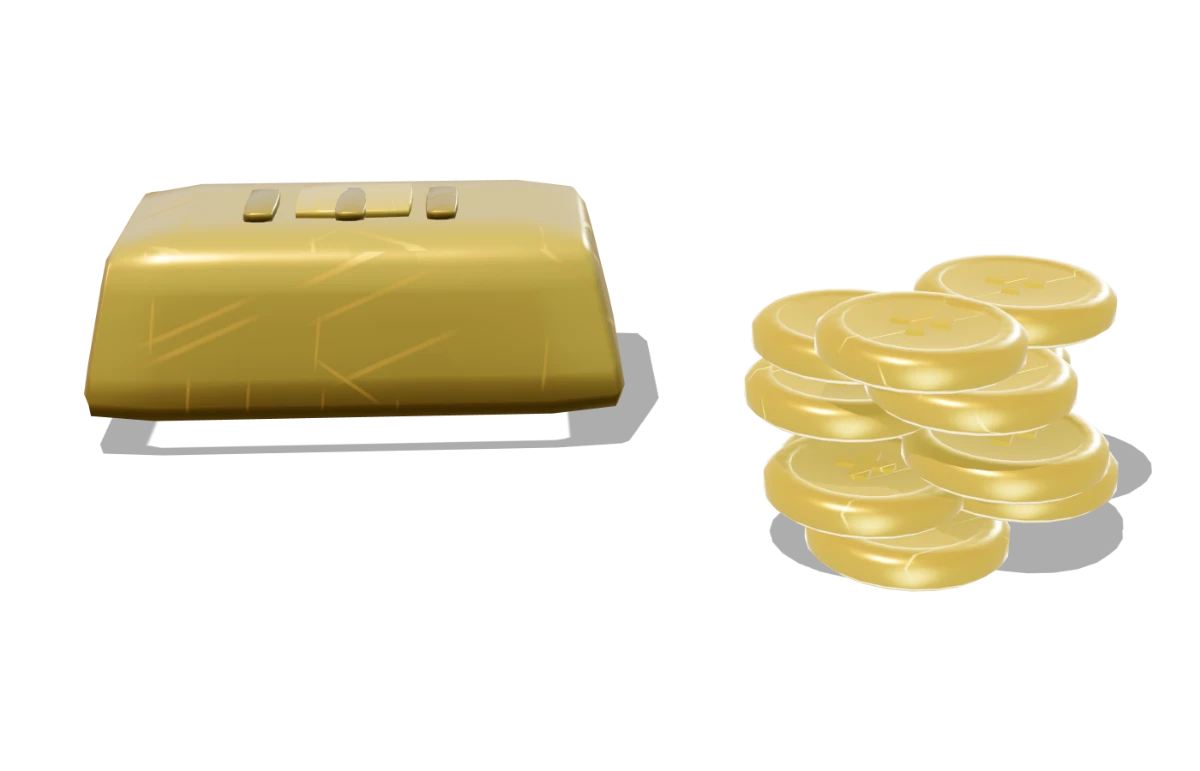
Every monster leaves gold coins according to its level, and the chests of castles, towers and dungeons give more. Those who dig gold smelt it into ingots and at the Minter turn each ingot into 560 coins. Everything paid to vendors, workshops and services is burned. At the Market people buy and sell among players, at prices set by the players: they make the economy.
Eight metals, five layers
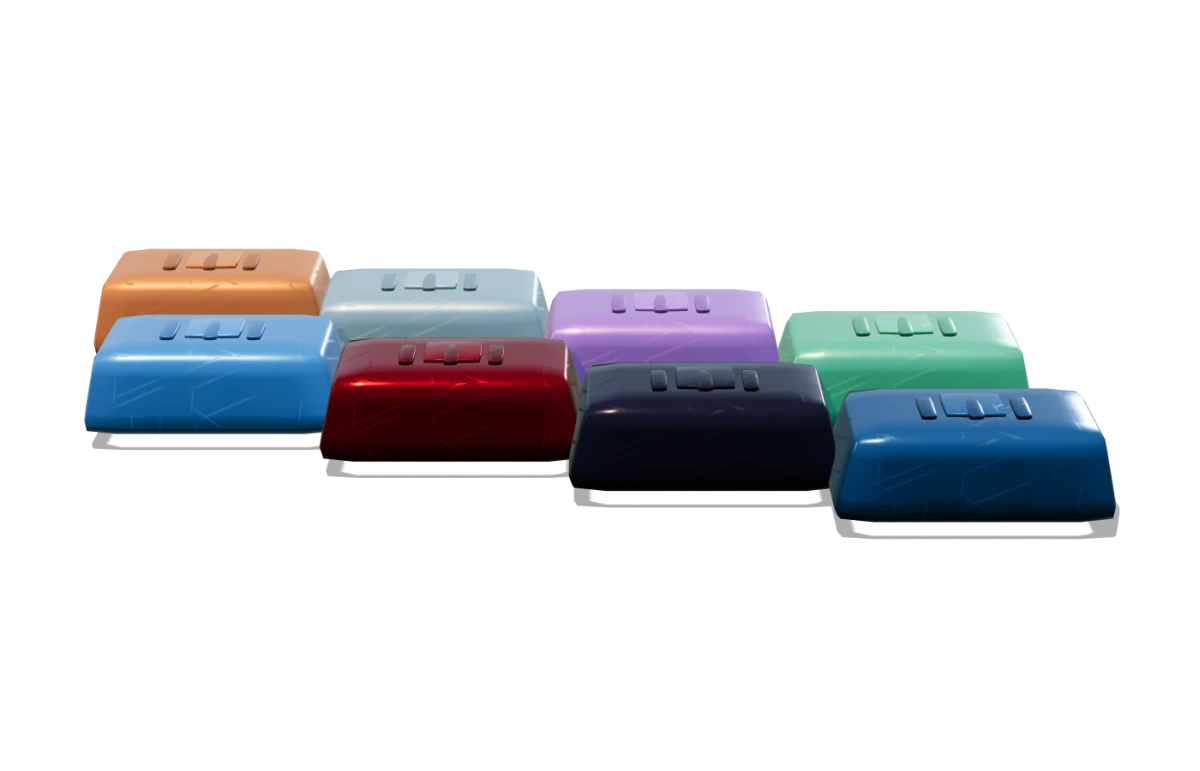
From copper to mithril, every rarer metal lies deeper. You dig, refine, forge: swords, maces, bows, plate armor, chainmail, leather, mage robes. And every job can fail. Jewels, in six levels, are found only in loot.
The flasks of the Mage Tower
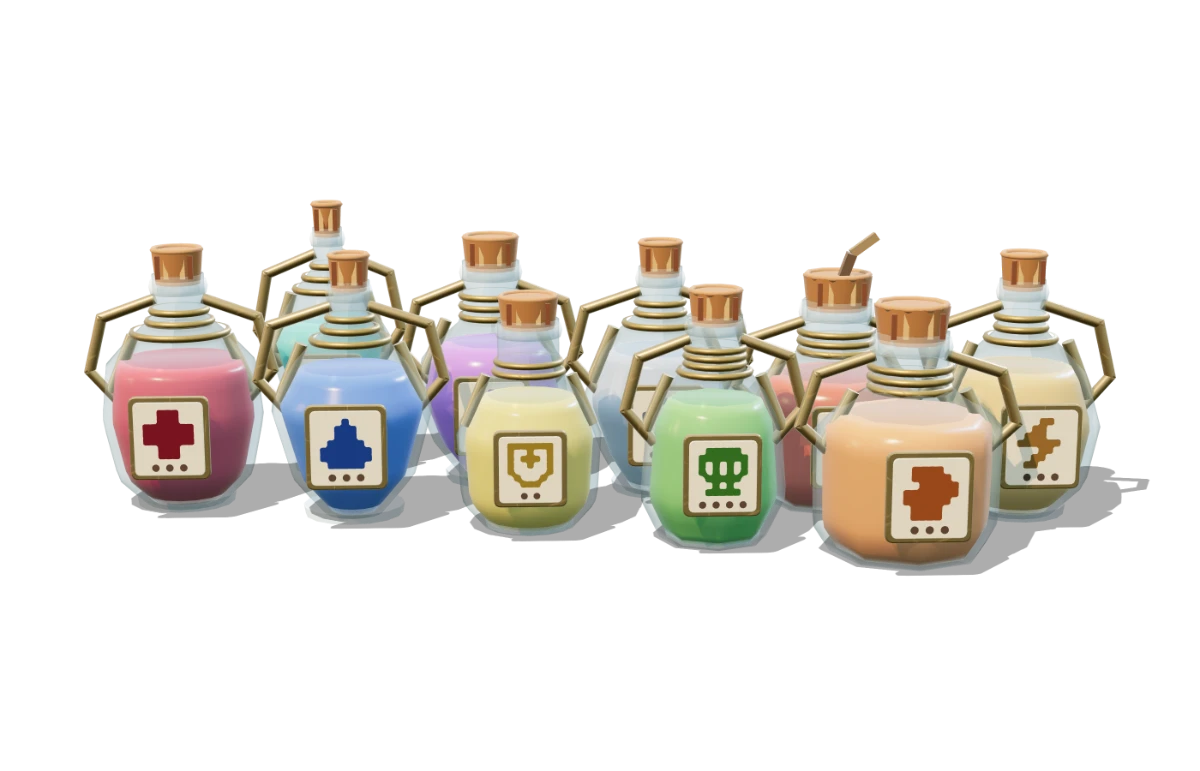
At the Mage Tower of every city the flasks are brewed: healing and mana, antidotes and poisons for weapons, potions of Strength, Dexterity and Intelligence, Invisibility, explosive flasks. Each one wants its ingredients, and every brew can fail.
Trade face to face
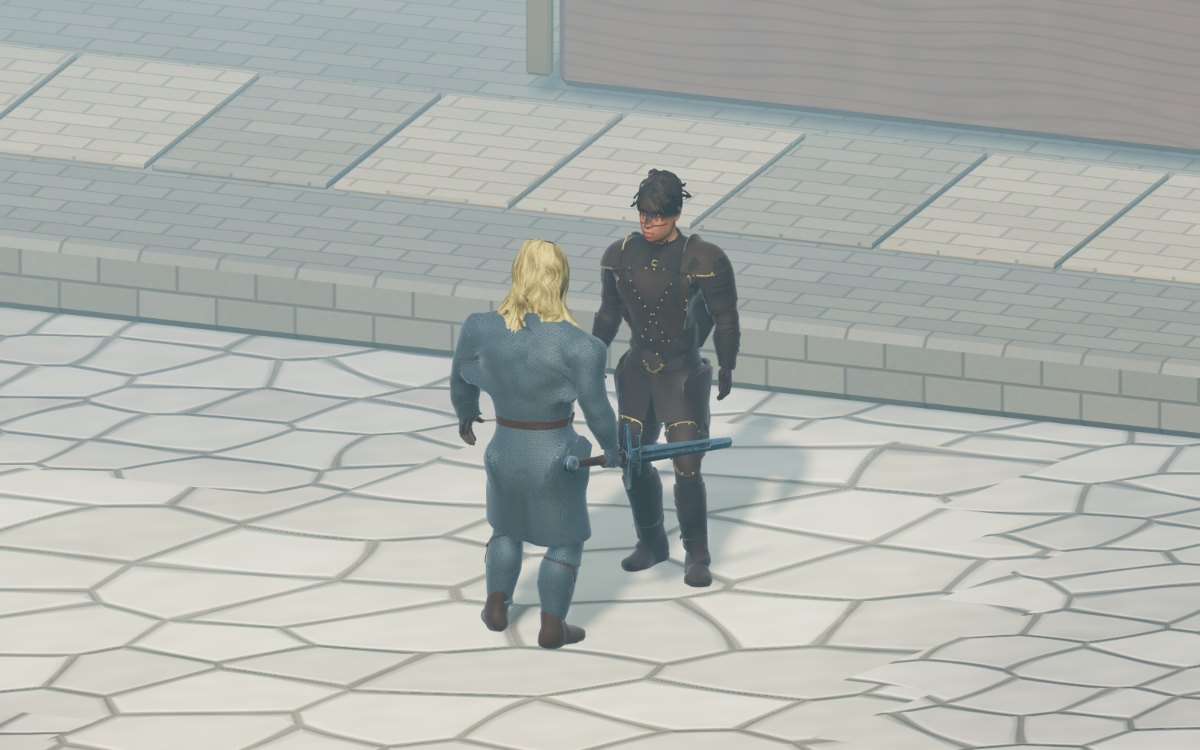
No faraway auctions: trades happen up close, twenty meters at most. Each puts in the offer whatever they want from their backpack, coins and figurines included; every change resets the confirmations, and the trade goes through only when both have confirmed the latest version. All or nothing. If one moves away, dies or is hit, everything is called off.
Death the old way
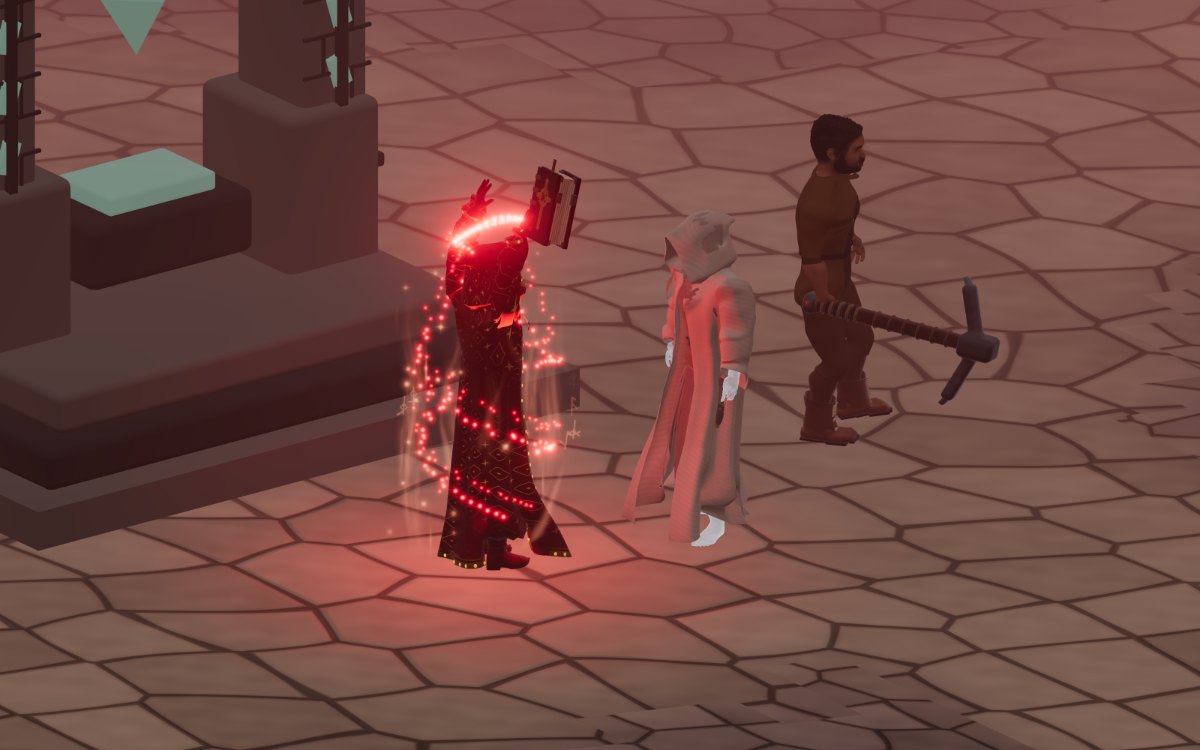
You die, and you become a ghost next to your body. You wander to a Resurrection Totem, in the center of every city or in front of the gate of every dungeon, and you come back naked, with only the spellbook. Or a friendly mage brings you back onto your corpse, with all your belongings.
Real USDC circulates in the game.
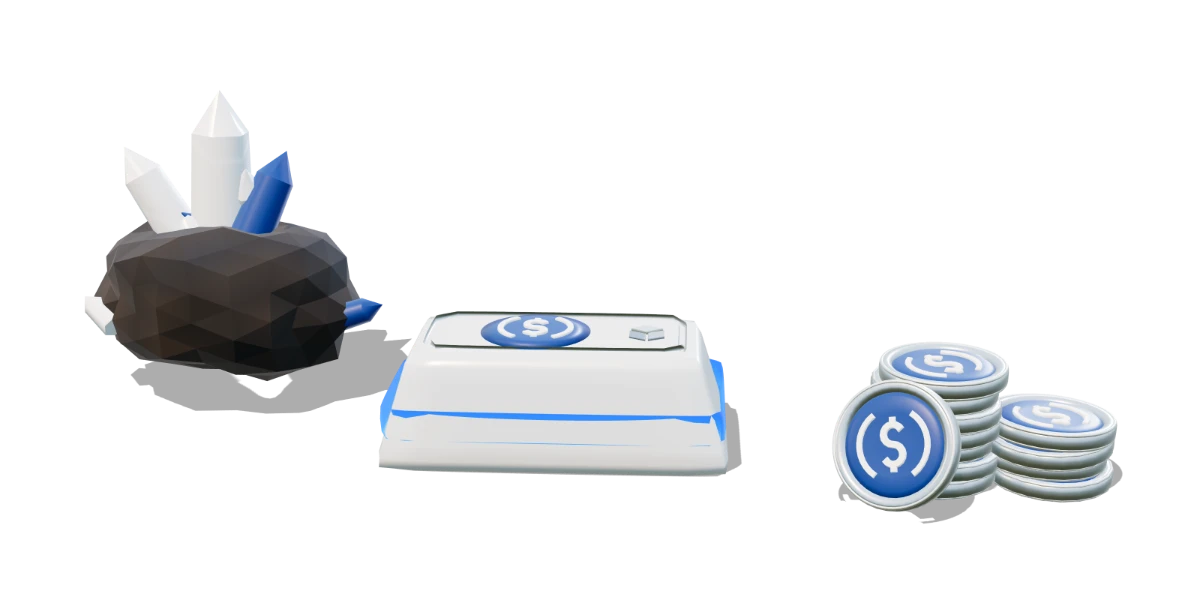
One USDC coin in the game is one real USDC: you bring it in from your MetaMask and take it back out, on the Base network or on the Avalanche network. Inside the world it is a resource like the others: you find it as ore, smelt it into ingots, mint it into coins.
BaseAvalanche
All the USDC of the game is in the treasury: the game vaults on Base and on Avalanche. Every 30 seconds the game redoes the count: the reserve plus everything in the world must make exactly the treasury, otherwise withdrawals stop by themselves.
It's dug, smelted, minted
The Game Master opens the USDC mines. The ore is broken off by those with Mining at one hundred; Smelting at one hundred makes ingots of it, Minting at one hundred makes coins. One ore makes one ingot, one ingot makes one coin: always one to one.
Bought, sold, spent
At the Market USDC coins are bought and sold for gold, at the same price: all the gold of both worlds divided by the USDC in the vault. With USDC you buy at the USDC vendor, near the totem of every city.
In and out, with your MetaMask
From the bank you connect MetaMask, deposit the USDC you want and withdraw your coins to your address, on Base or on Avalanche. Besides the mines, the game may have USDC rewards: monsters that drop them and chests and loot with USDC inside.
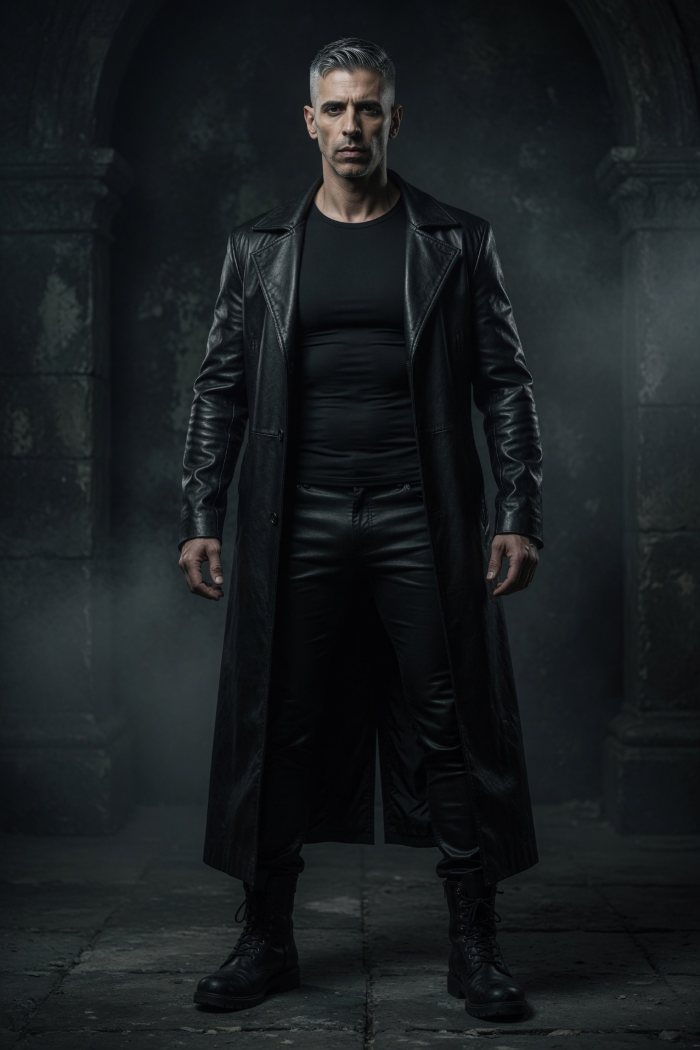
A game by Dott. Manuel Stefanelli
Manuel loves the games of the old days: the ones where leaving the city was a risk, where what you carried could change hands, where an encounter in the woods made your heart race.
CONQUERCUBE was born from that passion: the open PvP and full loot of old school MMOs, rebuilt in a world of cubes that runs in the browser, with a server that decides everything and graphics crafted down to the last shadow.
Instagram: @dottmanuel1981
Choose your city. Then cross the portal.
You play in the browser, without installing anything. You need a graphics card with hardware acceleration on: the wiki explains how to check it.